
As I stood in my kitchen, the colors of the vegetables spread out before me felt like a vibrant artist’s palette just waiting to be transformed into something delicious. This Flavor-Packed Vegetarian Bibimbap with Gochujang Sauce is not only a feast for the eyes but also a healthful solution to those chaotic weeknights when time is short but you crave something homemade. With quick prep and endless customization options, this dish lets you play with seasonal produce, ensuring that every bowl is unique to your taste. It’s a comforting embrace of seasoned veggies, a rich fried egg, and that addictive gochujang sauce, perfectly melding together to tantalize your taste buds. Are you ready to create your own delightful twist on this Korean classic?
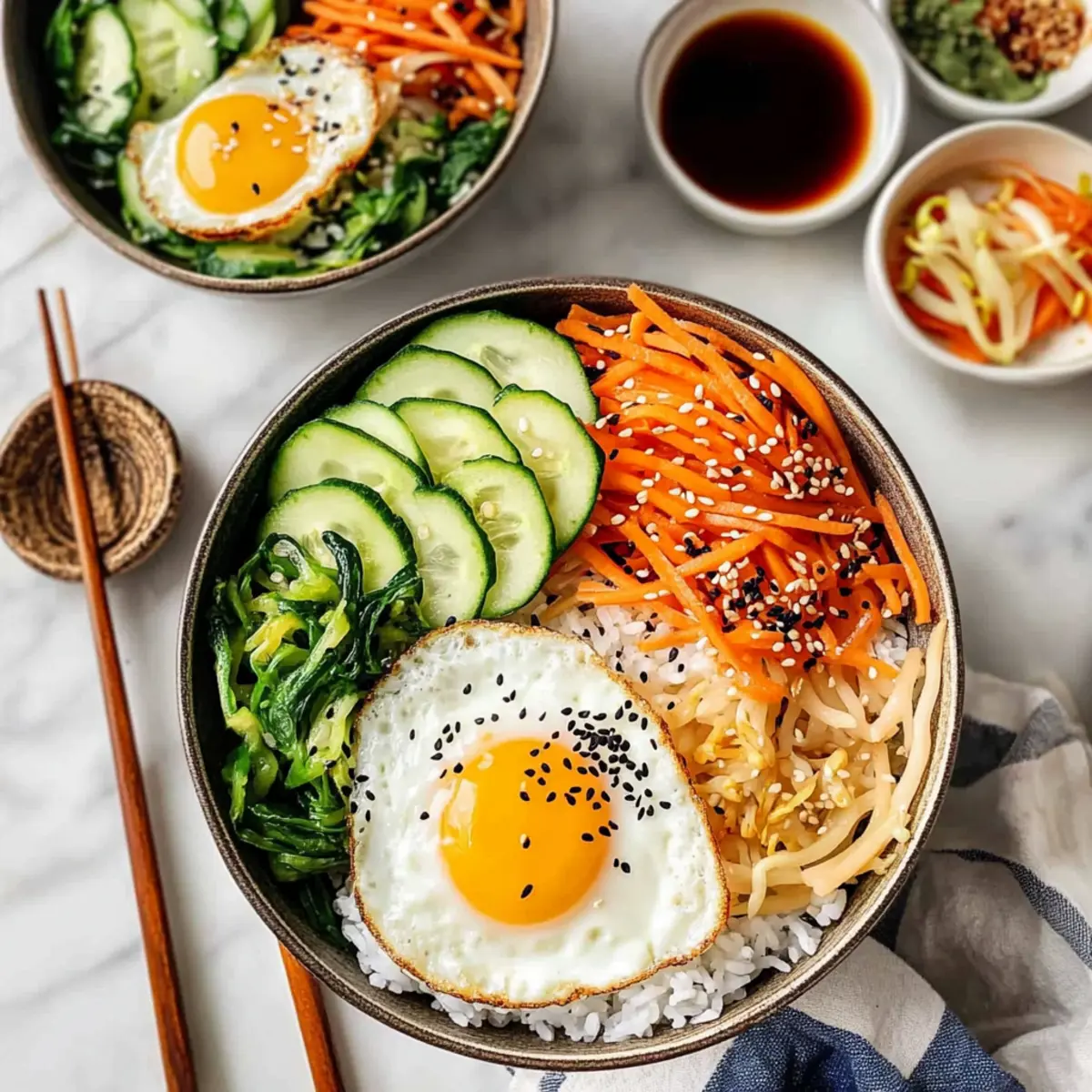
Why is Bibimbap So Loved?
Customizable Delight: This vegetarian bibimbap lets you pick and choose your favorite veggies, making every bowl a personal masterpiece.
Quick Preparation: In just 30 minutes, you can whip up a dish that’s both satisfying and nourishing—perfect for those busy weeknights.
Nutrient-Rich: Packed with fresh vegetables and gluten-free options, this dish offers a rainbow of nutrients to keep you energized.
Flavor Explosion: The bold gochujang sauce adds depth and spice, elevating the dish to a whole new level of deliciousness.
Crowd-Pleaser: Whether you’re entertaining or simply feeding the family, this vibrant rice bowl is sure to impress and satisfy everyone at the table. If you’re looking for more ideas, explore our healthy dishes section for inspiration!
Bibimbap Ingredients
• Get ready to create a vibrant feast!
For the Vegetables
• English cucumber – Adds crunch and freshness; substitute with zucchini if desired.
• Rice vinegar – Enhances the cucumber’s flavor; apple cider vinegar is a great alternative.
• Toasted sesame oil – Provides depth and nuttiness; regular sesame oil can work in a pinch.
• Fresh mung bean sprouts – Adds a crisp texture; use alfalfa sprouts or omit if needed.
• Shredded carrots – Offers sweetness and vibrant color; radishes can be a delightful substitute.
• Baby spinach – Gives a nutritious boost; feel free to swap in kale or Swiss chard.
• Sautéed shiitake mushrooms (optional) – Provides an earthy flavor; any mushrooms work well.
For the Base
• Cooked short-grain white rice – Serves as the hearty foundation; consider brown rice or quinoa for a healthier option.
• Tamari or soy sauce – Adds umami depth; use gluten-free soy sauce for a great alternative.
For the Toppings
• Fried eggs or baked tofu – Adds protein and richness; omit or substitute with chickpeas for a vegan option.
• Gochujang sauce – Provides essential flavor with spice, sweetness, and savoriness; adjust the spice to your liking.
• Sesame seeds – For garnish and added crunch; feel free to omit if allergic.
• Kimchi (optional) – Contributes probiotic benefits and flavor; use store-bought or homemade.
• Chopped scallions (optional) – Adds fresh onion flavor; leeks can replace scallions if preferred.
Get ready to dive into the wonderful world of bibimbap, where every ingredient plays a crucial role in crafting a meal that’s not just delicious, but also visually stunning!
Step‑by‑Step Instructions for Flavor-Packed Vegetarian Bibimbap with Gochujang Sauce
Step 1: Prepare the Vegetables
Begin by slicing the English cucumber into thin strips and tossing it in a bowl with rice vinegar, toasted sesame oil, and a pinch of salt. Set it aside to marinate for 10 minutes. Meanwhile, bring a small pot of water to a boil. Blanch the fresh mung bean sprouts for just 1 minute until they’re bright and tender, then drain and set aside. In a skillet over medium heat, sauté the shredded carrots in a drizzle of sesame oil for 1-2 minutes until softened, then remove from heat and keep warm.
Step 2: Cook the Rice
While the vegetables marinate, cook your short-grain white rice using your preferred method, whether it’s stovetop or an Instant Pot. For stovetop cooking, combine 1 cup of rice with 1 ¼ cups of water in a pot, bringing it to a boil. Once boiling, reduce to low heat, cover, and simmer for 15-20 minutes until all water is absorbed. Fluff with a fork when done, and keep warm while assembling the bibimbap.
Step 3: Sauté the Spinach
In the same skillet used for the carrots, add the baby spinach with a splash of tamari over medium heat. Sauté for about 2-3 minutes or until just wilted, bright green, and fragrant. If using shiitake mushrooms, add them in when the spinach begins wilting, cooking until they’re tender. Once done, remove from heat and combine with the other veggies, keeping everything warm while you assemble the bibimbap.
Step 4: Assemble the Bowls
Start with a generous base of your cooked rice in each serving bowl, creating a beautiful foundation for your bibimbap. Artfully arrange the marinated cucumber, blanched bean sprouts, sautéed carrots, and wilting spinach around the rice. If you’re using fried eggs or baked tofu, place them right in the center for a vibrant focal point that draws the eye and adds richness to your dish.
Step 5: Top and Serve
Sprinkle sesame seeds over the colorful arrangement for added crunch, then drizzle each bowl with gochujang sauce to your preferred spice level. For an additional flavor punch, serve with optional kimchi on the side and top with chopped scallions. The vibrant layers of your vegetarian bibimbap are now ready to be mixed and savored, transforming into a comforting bowl of deliciousness!
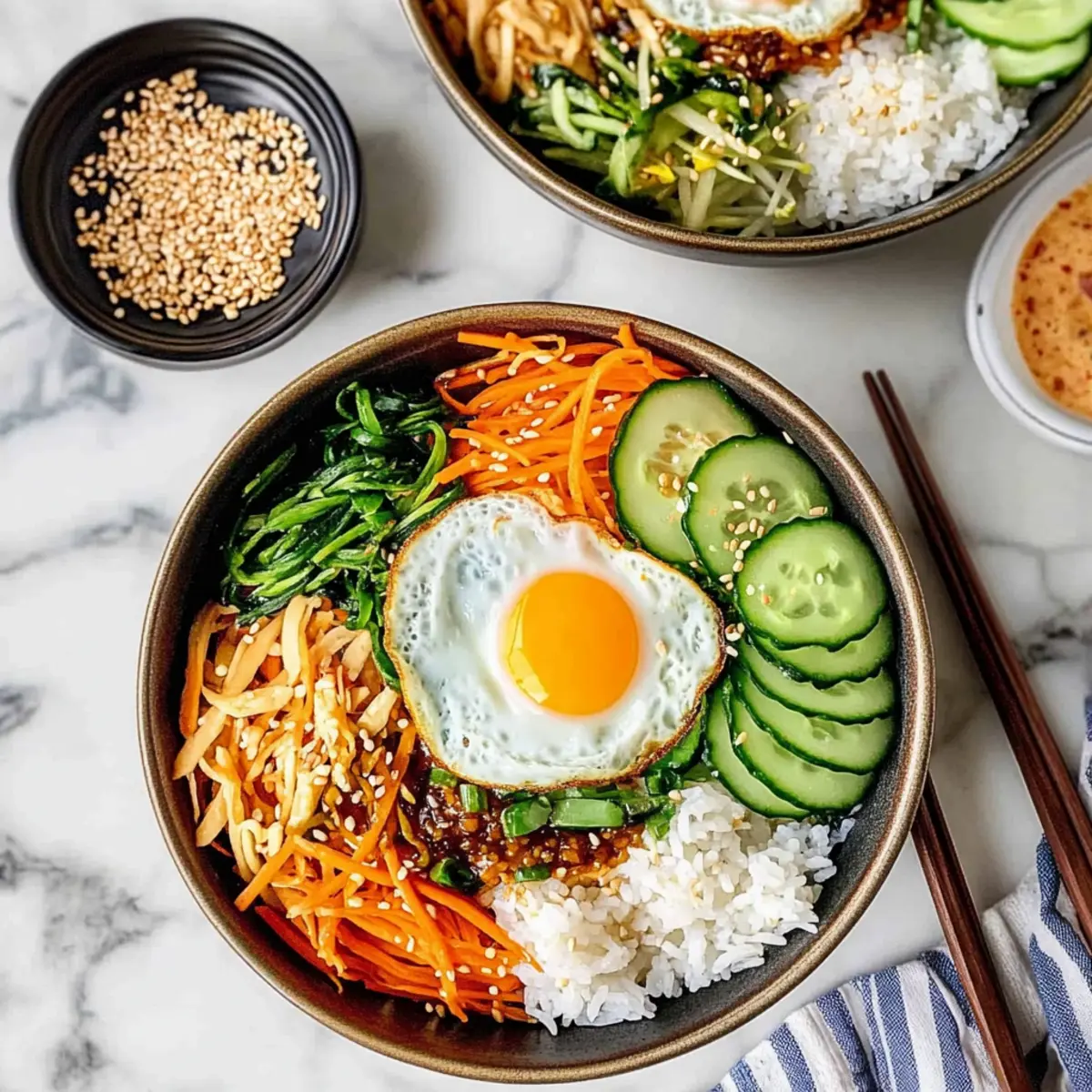
Make Ahead Options
These Flavor-Packed Vegetarian Bibimbap bowls are a fantastic choice for meal prep, saving you precious time on busy weeknights! You can prepare the vegetables, including marinated cucumber, blanched bean sprouts, and sautéed carrots, up to 3 days in advance. Simply store each component in separate airtight containers in the refrigerator to maintain their freshness and crunch. When ready to assemble, just cook your rice and quickly sauté the spinach (and mushrooms, if using) before layering everything over the rice. For the finishing touch, top with a fried egg or baked tofu, drizzle with gochujang sauce, and enjoy a vibrant, homemade meal that feels effortless!
Bibimbap Variations & Substitutions
Feel free to play with flavors and textures in your bibimbap; the possibilities are endless and oh-so-delicious!
- Vegan Twist: Swap out fried eggs for baked tofu or chickpeas, making your meal completely plant-based while keeping it hearty and satisfying.
- Grain Medley: Use a mix of quinoa and brown rice for your base, adding a nutty flavor and extra nutrients to your dish.
- Seasonal Vegetables: Incorporate seasonal veggies like bok choy or daikon for freshness, ensuring each bowl feels unique and reflective of the time of year.
- Spicy Kick: Adjust your gochujang sauce by adding more chili paste or fresh chilies for those who crave an extra layer of heat. It can transform the whole experience!
- Crunchier Depth: Toss in some roasted chickpeas or nuts for added crunch, turning a classic rice bowl into a delightful textural adventure. They elevate the dish beautifully.
- Different Proteins: For a varied protein source, try using marinated tempeh or edamame for a different flavor profile that still aligns with vegetarian ideals.
- Sour Spark: Add a splash of lemon or lime juice for a zesty brightness that will keep every bite exciting and full of life.
- Umami Boost: Replace tamari with miso paste in your vegetables for an incredible umami depth that will have everyone begging for seconds.
Explore more delicious options in our healthy dishes section to get your creativity flowing!
What to Serve with Flavor-Packed Vegetarian Bibimbap
Create the ultimate dining experience by pairing your vibrant bibimbap with enticing sides and drinks!
-
Crispy Tempura Vegetables: Lightly battered and fried, these add crunch and a delightful taste, complementing the fresh ingredients in the bibimbap.
-
Savory Miso Soup: This warm broth introduces umami flavors that create a soothing balance with the bold gochujang sauce.
-
Kimchi: A must-have Korean staple, the tangy, fermented crunch provides an invigorating contrast and additional health benefits.
-
Fruit-Infused Iced Tea: The refreshing notes of fruits provide a delightful palate cleanser, enhancing the meal’s overall brightness and zest.
-
Garlic Edamame: A bowl of warm, garlicky edamame adds a protein punch while echoing Asian flavors beautifully.
-
Sweet Potato Pancakes: Served hot and crispy, their sweetness complements the spicy notes of the bibimbap, offering a heartwarming side.
-
Cucumber Salad: A light, vinegar-based salad with sesame dressing brings a refreshing crunch, ensuring that each bite of bibimbap shines.
-
Chilled Sake: This versatile drink can enhance your dining experience, pairing well with the different flavors and textures in the bibimbap.
-
Mango Sticky Rice: For dessert, this sweet and creamy dish rounds off your meal, providing a tropical finish that feels like a treat.
How to Store and Freeze Bibimbap
Fridge: Store leftover cooked bibimbap components in airtight containers for up to 3 days. Keep the rice and vegetables separate to maintain texture.
Freezer: For longer storage, freeze cooked rice and vegetables separately in airtight containers. Rice can be kept for up to 3 months, while vegetables should be consumed within 1-2 months for best quality.
Reheating: Thaw frozen rice in the fridge overnight; reheat in a microwave with a splash of water until steaming. Quickly sauté frozen vegetables in a pan until heated through before assembling your bibimbap again.
Assembly: When ready to enjoy, combine components and top with a fresh fried egg or baked tofu, along with the gochujang sauce for a delightful meal!
Expert Tips for the Best Bibimbap
- Prep Ahead: Prepare vegetables in advance and store them in the fridge for up to 3 days to speed up your weeknight cooking.
- Keep It Crunchy: Avoid overcooking veggies to maintain their delightful crunch; blanched bean sprouts should be bright and tender, not mushy.
- Perfect Egg: For a flawless fried egg, ensure the whites are completely set while keeping the yolk runny for that creamy texture in your bibimbap.
- Customize Freely: Don’t hesitate to mix and match seasonal vegetables to create a vibrant and personal twist on your bibimbap.
- Storage Savvy: Store each component separately in airtight containers to keep your ingredients fresh and ready to assemble later.
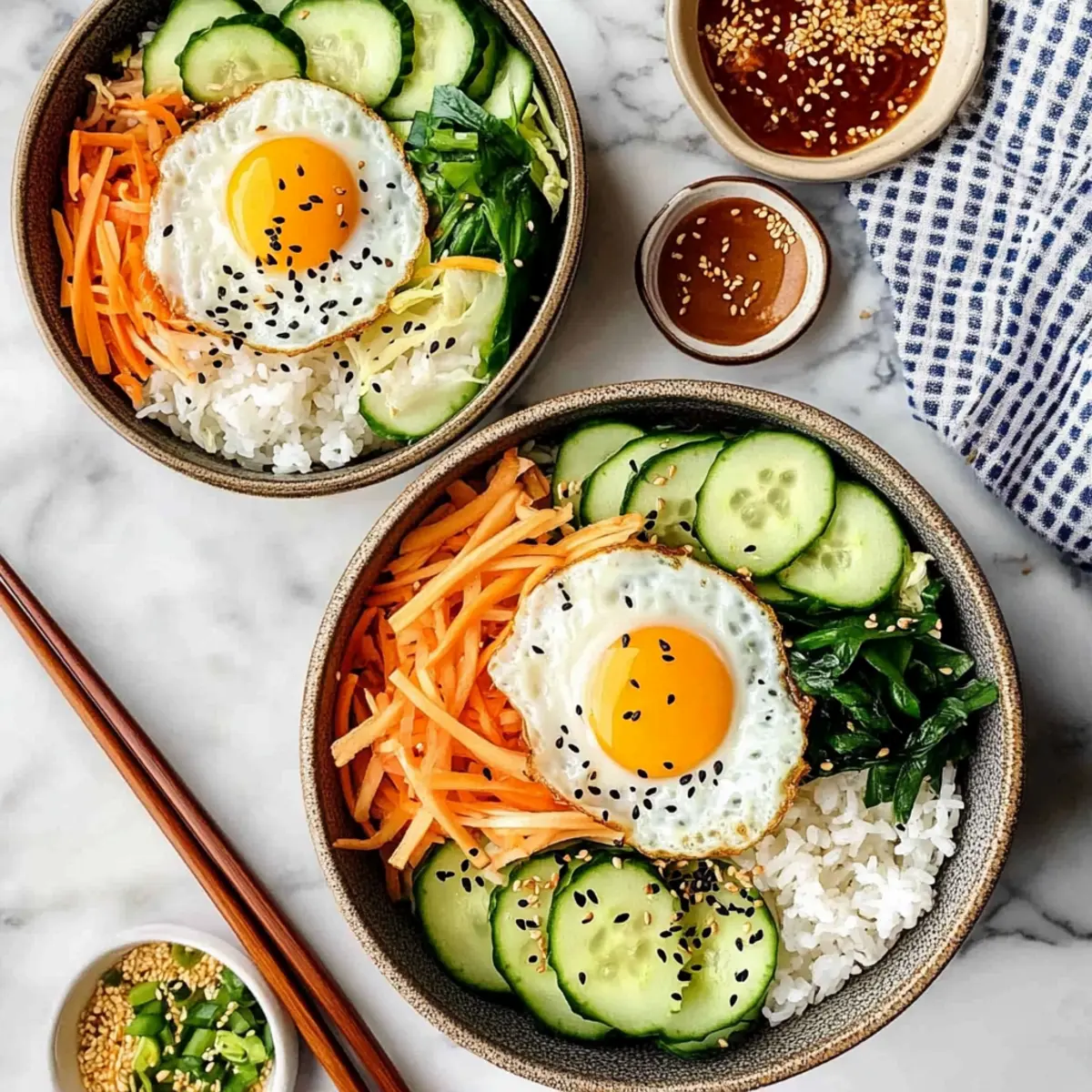
Bibimbap Recipe FAQs
What is the best way to select ripe vegetables for bibimbap?
Absolutely! For the crispest ingredients, look for cucumbers that are firm and taught, avoiding any with dark spots or wrinkled skin. Fresh bean sprouts should be bright and slightly crunchy, while spinach should appear vibrant and have no wilting. Choose carrots that are bright orange and free of blemishes. If using mushrooms, select those that are firm to the touch and have a pleasant earthy scent.
How should I store leftover bibimbap components?
Very! Store your leftover cooked rice and vegetables in separate airtight containers in the fridge for up to 3 days to maintain their textures. It’s best not to mix the components until you’re ready to enjoy them again. If you’ve included a fried egg or baked tofu, I recommend keeping those separately as well, as they can lose their freshness when combined with other ingredients.
Can I freeze bibimbap components, and if so, how?
Certainly! To freeze, start by portioning out your cooked rice and vegetables into airtight containers. Make sure the rice has cooled completely before freezing, as this helps prevent clumping. As a guide, rice can be frozen for up to 3 months, while your sautéed vegetables will maintain their quality for about 1-2 months. When you’re ready to enjoy, thaw everything in the fridge overnight and quickly reheat before assembling.
What can I do if my vegetables become too soft during cooking?
The more the merrier, as it’s all part of the cooking journey! If you accidentally overcook the veggies, try to use them in a soup or stew to salvage their flavors, or blend them into a sauce. For next time, keep an eye on your cooking times—blanching should only take about a minute for crispness, and sautéing should be brief enough to retain a slight crunch!
Are there any dietary considerations for bibimbap?
Absolutely! This delicious bibimbap can easily accommodate various dietary needs. If you have gluten sensitivities, make sure to use tamari instead of soy sauce for that rich umami flavor. Additionally, those with egg allergies can substitute the fried egg with baked tofu or chickpeas for protein. As for pets, it’s best to keep kimchi (due to its spiciness) away from them as well as any ingredients they shouldn’t have.
Can I customize bibimbap based on the season?
Definitely! Bibimbap is all about personalization. In spring, you might want to feature asparagus or fresh peas, while autumn can welcome roasted sweet potatoes and brussels sprouts. Feel free to forage seasonal farmers’ markets for inspiration; it’s a fun way to make every bowl as colorful and unique as the season itself!
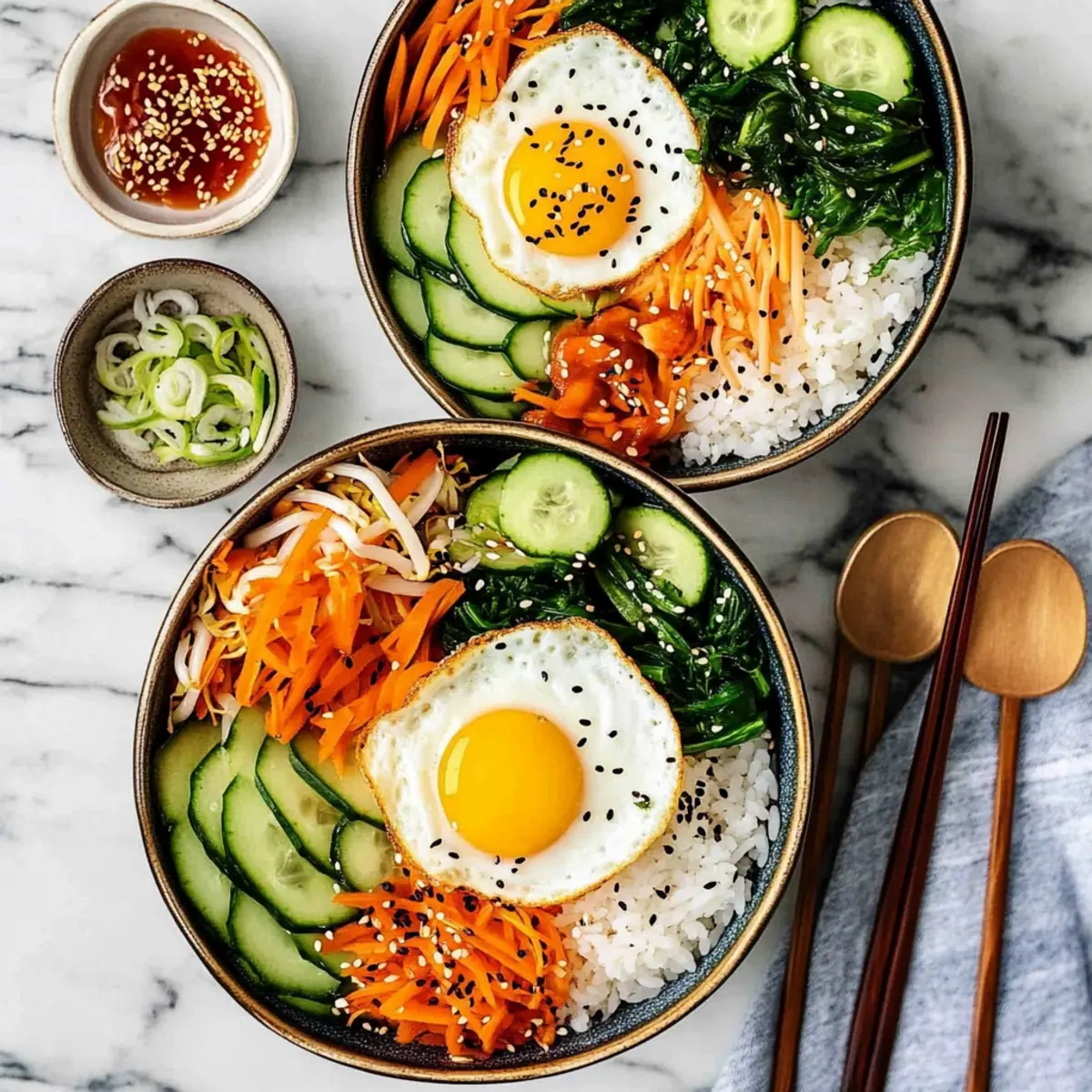
Delicious Vegetarian Bibimbap for a Vibrant Dinner Night
Ingredients
Equipment
Method
- Prepare the Vegetables: Slice the English cucumber into thin strips and toss it with rice vinegar, toasted sesame oil, and a pinch of salt. Marinate for 10 minutes. Blanch mung bean sprouts for 1 minute, then drain. Sauté carrots in sesame oil until softened.
- Cook the Rice: Cook short-grain white rice according to your preferred method. For stovetop, combine 1 cup of rice with 1 ¼ cups of water, bring it to a boil, then reduce to low and simmer for 15-20 minutes.
- Sauté the Spinach: In the same skillet, add baby spinach with a splash of tamari over medium heat. Sauté for about 2-3 minutes until wilted. If using shiitake mushrooms, add them while the spinach cooks.
- Assemble the Bowls: Start with a base of your cooked rice, arrange marinated cucumber, blanched bean sprouts, sautéed carrots, and spinach around the rice. Add fried eggs or baked tofu on top.
- Top and Serve: Sprinkle sesame seeds and drizzle with gochujang sauce. Serve with optional kimchi and chopped scallions. Enjoy your vibrant bibimbap!
Leave a Reply