
Standing in my kitchen, I couldn’t help but be transported back to the bustling streets of Tokyo as the aroma of soft-boiled eggs filled the air. The Japanese Egg Sandwich, or tamago sando, is a favorite among both locals and travelers seeking a quick and flavorful meal. With its creamy egg salad nestled between light, fluffy Japanese milk bread, this dish captures the simplicity and comfort of authentic Japanese cuisine. Not only is it a delightful option for a kid-friendly lunch, but it’s also incredibly easy to prepare, making it a perfect choice for those busy evenings when you crave something special yet quick. Why settle for fast food when you can enjoy a comforting homemade experience? Join me as we dive into the world of tamago sando, and let’s explore how to make this beautiful sandwich that’s sure to impress!
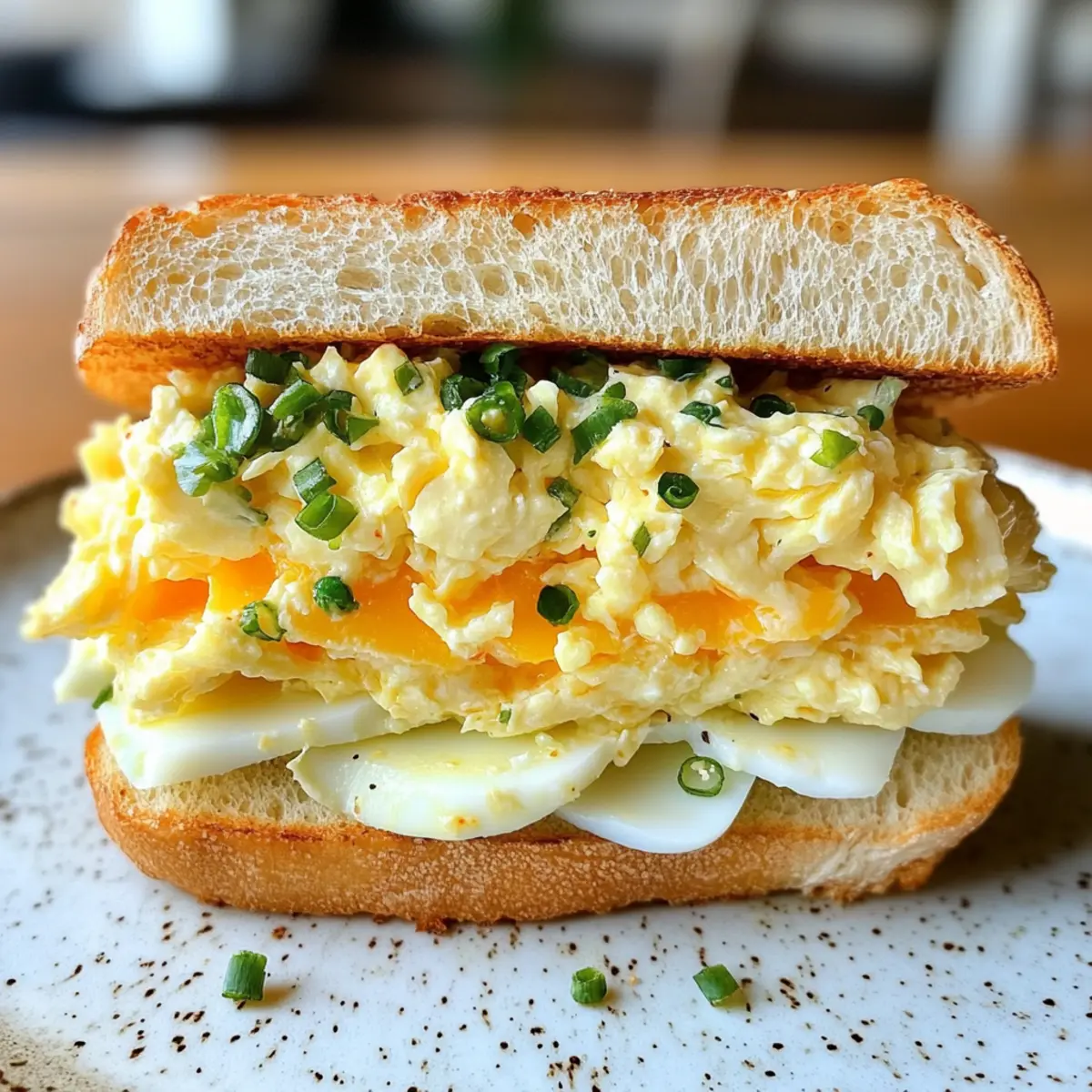
Why is Tamago Sando So Irresistible?
Simplicity: This recipe requires just a few ingredients, making it perfect for busy weeknights.
Creamy Goodness: The rich, velvety egg salad embraces a flavor that’s unparalleled, especially with high-quality Japanese mayonnaise.
Kid-Friendly: Packed with protein and fun flavors, it’s ideal for lunchboxes, leaving kids excited to eat.
Versatile Options: Go soft-boiled or hard-boiled; either way, you’ll enjoy a comforting dish that feels special.
Cultural Experience: Creating this Japanese classic at home brings a taste of konbini culture straight to your kitchen. Don’t forget to try it with a side of Roasted Chickpeas Veggie to round out your meal!
Japanese Egg Sandwich Ingredients
For the Egg Salad
- Eggs – Choose high-quality organic eggs for the best flavor and creaminess.
- Sugar – A little sweetness balances the savory notes in the salad.
- Salt – Essential for enhancing the overall taste of the egg salad.
- Ground Black Pepper – Adds a subtle heat and depth to the mixture.
- Milk (optional) – Keeps the egg salad moist, especially beneficial if you’re using hard-boiled eggs.
- Japanese Mayonnaise – This ingredient offers a richer and creamier taste compared to regular mayonnaise; use it for authentic flavor.
For the Bread
- Japanese Milk Bread – The soft, airy texture and slight sweetness are key to a perfect tamago sando; substitute with high-quality white bread if needed.
- Unsalted Butter – Spreading this on the bread adds a touch of richness that elevates your sandwich.
For Garnish
- Chives (optional) – A sprinkle of chives not only adds visual appeal but also a mild onion flavor to complement the egg salad.
Step‑by‑Step Instructions for Japanese Egg Sandwich
Step 1: Prepare Ice Bath
Start by filling a large bowl with ice water to create an ice bath. This essential step will immediately halt the cooking process and ensure your eggs maintain a perfectly tender texture. Set the ice bath aside while you prepare to boil the eggs; it will be crucial for achieving that ideal creamy consistency in the Japanese egg sandwich.
Step 2: Boil Eggs
In a medium pot, bring water to a rolling boil over high heat. Once boiling, gently lower in your high-quality organic eggs, using a slotted spoon. For a medium soft-boiled egg, cook for 7 minutes, or for hard-boiled eggs, opt for 10 minutes. Keep an eye on the clock, as timing is key to achieving your desired egg texture!
Step 3: Chill Eggs
Once the cooking time is up, carefully transfer the eggs to the prepared ice bath using the slotted spoon. Allow them to sit in the ice water for about 2 minutes. This quick cooling not only stops further cooking but also makes peeling the eggs much easier, setting you up for the delightful egg salad in your Japanese egg sandwich.
Step 4: Peel and Mash Eggs
After the eggs have cooled, gently tap each one on a hard surface to crack the shell, then peel it away under running water for easier removal. In a mixing bowl, carefully mash the peeled eggs with a fork until they reach a creamy consistency. There should still be some texture to provide that satisfying bite within your Japanese egg sandwich.
Step 5: Mix Egg Salad
To the bowl of mashed eggs, add a dash of sugar, a sprinkle of salt, ground black pepper, and your desired amount of Japanese mayonnaise. If you’re using hard-boiled eggs, consider adding a splash of milk to maintain moisture. Stir everything with a spatula until completely combined, ensuring that every bite of your egg salad is perfectly flavored for the Japanese egg sandwich.
Step 6: Assemble Sandwich
Gather your soft, fluffy Japanese milk bread and spread a layer of softened unsalted butter on both slices. Place a generous scoop of the creamy egg salad onto one slice, spreading it out evenly. Top with the second slice of bread, then trim off the crusts for a classic presentation. Your Japanese egg sandwich is now ready to be enjoyed!
Step 7: Serve Immediately
Slice your assembled sandwich in half and serve it fresh for the best taste and texture. You can also wrap it in plastic wrap for later. Pair it with some pickles or fresh fruit to create a balanced meal. Enjoy the rich flavors and comforting experience of your homemade Japanese egg sandwich!
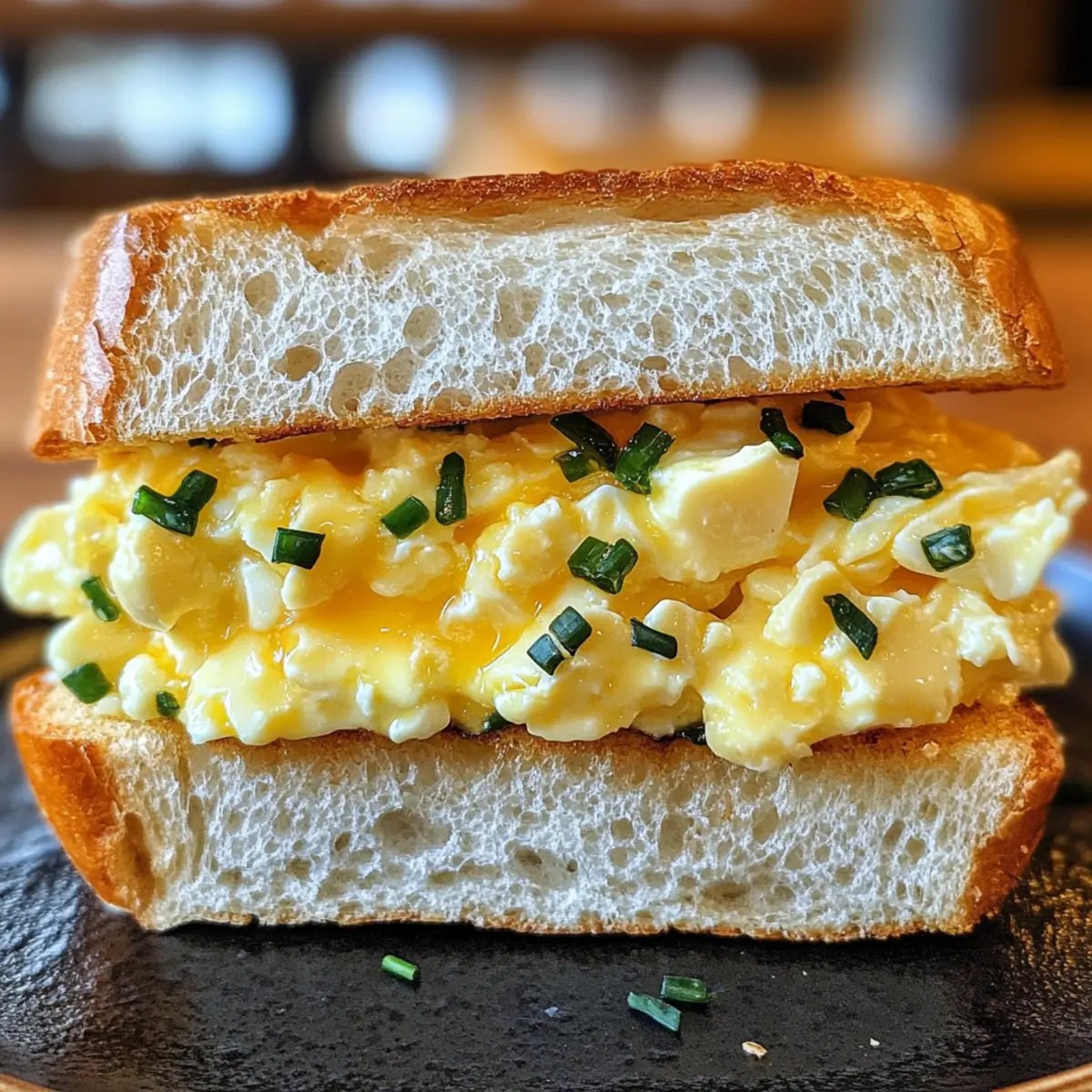
Japanese Egg Sandwich Variations
Feel free to explore these delightful twists that will elevate your tamago sando experience.
-
Soft-Boiled Option: Instead of hard-boiled, use soft-boiled eggs for a richer, creamier filling that’s simply irresistible.
-
Dairy-Free Delight: Substitute Japanese mayonnaise with avocado or a vegan mayo for a creamy, guilt-free option that’s full of flavor. This alternative brings a lightness that complements the fluffy bread beautifully.
-
Herb-Infused: Mix in fresh herbs like dill or parsley to the egg salad for an aromatic lift that adds freshness and sophistication. A sprinkle of fresh herbs can turn this simple dish into something spectacular.
-
Spicy Kick: Add a dash of sriracha or your favorite hot sauce to the egg salad for a fiery twist that will awaken your taste buds. The warmth perfectly balances the creaminess of the eggs.
-
Crunch Factor: Incorporate finely chopped pickles or celery into the egg salad for a delightful crunch that contrasts with the smooth texture. This little twist can make your tamago sando even more exciting.
-
Smoky Flavor: Blend in a touch of smoked paprika to the egg salad for an unexpected smoky depth. It’s a small addition that significantly transforms the flavor profile.
-
Japanese-Inspired Toppings: Top your sandwich with sliced cucumbers or radishes for a refreshing crunch and to honor Japanese culinary tradition. These fresh veggies add both visual appeal and taste!
-
Sweet Twist: For a sweet surprise, add a touch of honey or maple syrup to the egg salad to create a unique balance of flavors. This will enchant those who enjoy contrasting tastes.
No matter how you choose to customize your Japanese egg sandwich, it’s easy to enjoy this beloved treat at home. For an extra special lunch, pair it with a side of your favorite Toasted Italian Sandwich or try complementing it with Roasted Chickpeas Veggie for a well-rounded meal!
Make Ahead Options
These Japanese Egg Sandwiches are a fantastic meal prep solution for busy weeknights! You can prepare the egg salad up to 3 days in advance, storing it in an airtight container in the refrigerator to maintain its creamy texture. To ensure freshness, assemble the sandwiches just before serving; spread the softened butter on the bread and scoop in the egg salad when you’re ready to enjoy. If you want to save even more time, boil and peel the eggs a day ahead, and keep them in the fridge until you’re ready to mash them into the egg salad. This way, you’ll have comforting, delicious Japanese Egg Sandwiches with minimal effort!
Storage Tips for Japanese Egg Sandwich
-
Room Temperature: It’s best to enjoy your Japanese egg sandwich immediately, but if necessary, it can be left at room temperature for up to 2 hours.
-
Fridge: Store assembled sandwiches wrapped in plastic wrap for up to 2 days in the refrigerator to maintain freshness.
-
Freezer: For longer storage, freeze the egg salad separately in an airtight container for up to 1 month. Assemble the sandwich fresh on the day you plan to consume it.
-
Reheating: If using frozen egg salad, thaw in the refrigerator overnight and assemble your sandwich fresh. Avoid reheating the sandwich once assembled, as it’s best enjoyed cold.
Expert Tips for Japanese Egg Sandwich
-
Fresh Eggs Matter: Use high-quality organic eggs, as they provide the creamiest and richest flavor, enhancing your Japanese egg sandwich.
-
Perfect Timing: Boil eggs precisely for either 7 minutes (medium soft) or 10 minutes (hard-boiled). This ensures the right texture for your egg salad.
-
Ice Bath Essential: After boiling, immediately transfer eggs to an ice bath. This technique stops cooking and aids in easy peeling, giving you that ideal consistency.
-
Flavor Adjustments: Always taste and adjust salt after adding mayonnaise to the egg salad. This helps control seasoning effectively for your Japanese egg sandwich.
-
Texture Tips: If you desire a creamier salad, mix in a little milk when using hard-boiled eggs. This keeps the mixture moist and delicious.
-
Butter Boost: Don’t skip the unsalted butter on the bread; it adds a richness that enhances the delightful flavors of the Japanese egg sandwich.
What to Serve with Authentic Japanese Egg Sandwich (Tamago Sando)
Elevate your dining experience by pairing this creamy delight with some well-chosen sides that bring out its authentic flavors.
-
Crispy Pickles: Provides a tangy crunch that cuts through the creaminess of the egg salad. They add a refreshing contrast that brightens the dish.
-
Fresh Fruit Salad: A mix of seasonal fruits brings sweetness and freshness, creating a lovely balance that complements the savory sandwich.
-
Japanese Green Tea: This soothing beverage enhances the meal’s experience with its earthy notes, making every bite of tamago sando even more delightful.
-
Seaweed Salad: Adds a unique texture and umami flavor, contrasting beautifully with the smooth egg filling while echoing Japanese cuisine.
-
Chilled Edamame: Simply seasoned with salt, these protein-packed pods offer a fun snack that’s healthy and satisfying alongside your sandwich.
-
Roasted Chickpeas: Their crunchy texture and savory spices make for an exciting contrast to the soft tamago sando.
-
Miso Soup: Warm and comforting, this dish resonates with the flavors of the tamago sando, enriching the meal with an authentic touch.
-
Soda or Sparkling Water: These refreshing drinks can cleanse the palate, making every bite of the sandwich feel new and exciting.

Japanese Egg Sandwich (Tamago Sando) Recipe FAQs
What type of eggs should I use for the best flavor?
Absolutely! I recommend using high-quality organic eggs for your Japanese egg sandwich. They provide the richest flavor and the most delightful creaminess in your egg salad.
How should I store the assembled sandwich?
To keep your Japanese egg sandwich fresh, wrap it in plastic wrap and store it in the refrigerator for up to 2 days. If you’d like to maintain the best quality, prepare the egg salad separately and assemble the sandwich on the day of consumption.
Can I freeze the egg salad for later use?
Absolutely! You can freeze the egg salad in an airtight container for up to 1 month. When you’re ready to enjoy it, just thaw it overnight in the refrigerator and assemble your sandwich fresh. This way, you’ll have a delicious, homemade meal ready at your convenience!
What should I do if my eggs are overcooked and rubbery?
If you notice your eggs turning rubbery, it might be due to overcooking. To avoid this, always set a timer and use the ice bath method immediately after boiling, which cools the eggs quickly and helps maintain their tender texture. If you find them that way after boiling, don’t panic! You can still mash the eggs gently and mix them well with the mayonnaise to create a creamier egg salad, masking the texture a bit.
Is this recipe suitable for people with egg allergies?
Unfortunately, this recipe is not suitable for those with egg allergies. However, you could experiment with alternatives like mashed avocado or chickpeas combined with vegan mayo for a similar creamy effect. While it won’t replicate the exact flavor, it could still make for a delicious sandwich!
Can I use regular mayonnaise instead of Japanese mayonnaise?
While you can use regular mayonnaise, I must mention it may compromise the authentic flavor of the Japanese egg sandwich. Japanese mayonnaise is richer and creamier, enhancing the overall taste. If you prefer the regular version, consider adding a touch of sugar to mimic the sweetness found in Japanese mayonnaise.
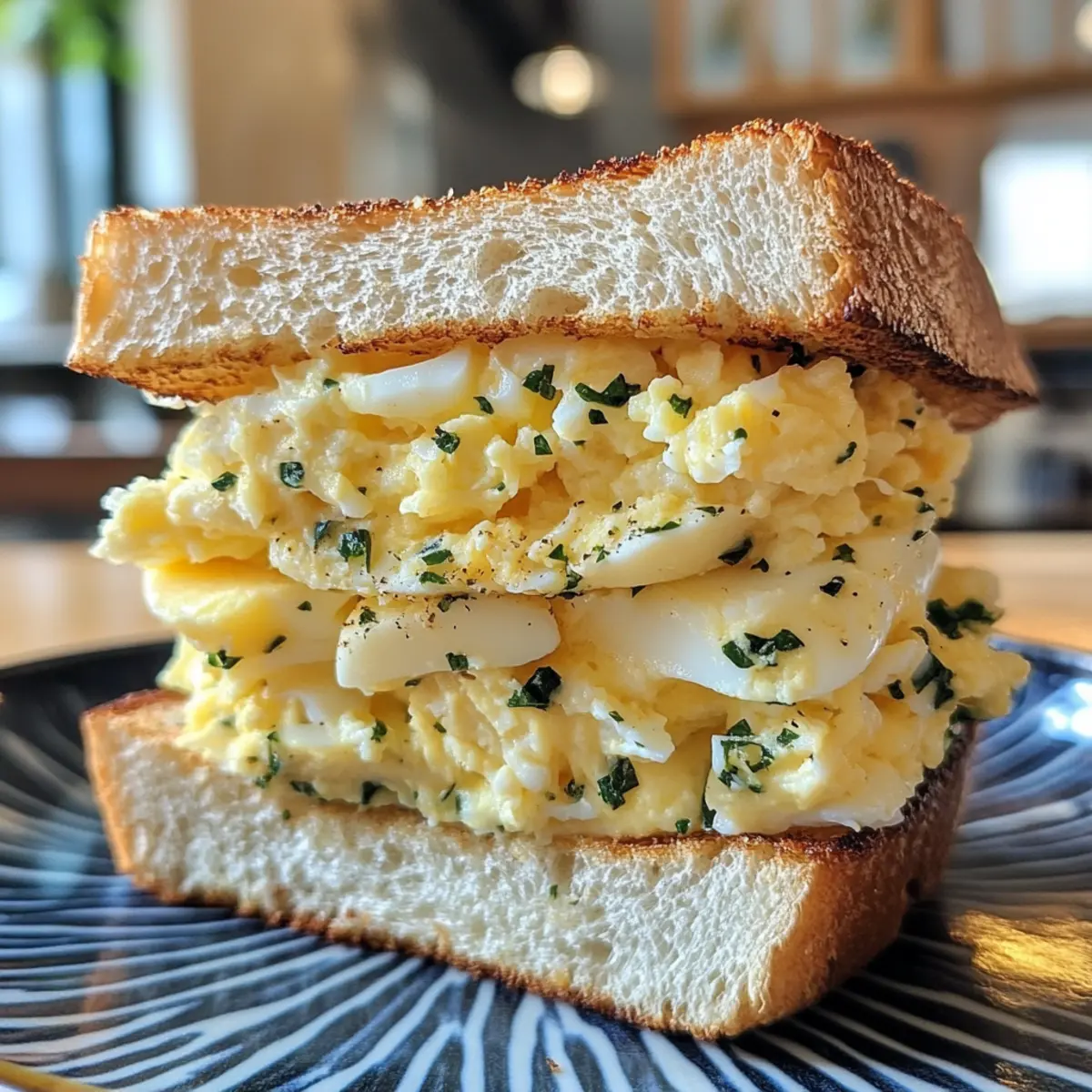
Creamy Japanese Egg Sandwich for a Quick, Tasty Lunch
Ingredients
Equipment
Method
- Prepare an ice bath by filling a large bowl with ice water.
- In a medium pot, bring water to a rolling boil. Gently lower in the eggs. Boil for 7 minutes for medium soft-boiled or 10 minutes for hard-boiled.
- Carefully transfer the eggs to the ice bath and let them chill for about 2 minutes.
- Peel the eggs under running water and mash them in a mixing bowl until creamy but still slightly textured.
- Mix the mashed eggs with sugar, salt, pepper, and mayonnaise. If using hard-boiled eggs, add milk for moisture.
- Spread unsalted butter on both slices of bread. Add a generous scoop of egg salad on one slice and top with the other slice. Trim crusts if desired.
- Slice the sandwich in half and serve immediately. Optionally wrap in plastic for later.
Leave a Reply