
As the aroma of warm, freshly baked bread wafts through the air, a little magic happens in your kitchen. Today, I’m excited to share my recipe for an Easy Homemade Baguette that transforms simple ingredients into a delightful artisan masterpiece. This recipe not only allows you to enjoy bakery-quality results in the comfort of your home but also gives you the joy of creating something from scratch—a perfect antidote to the frantic pace of fast food. With just a few hours of patience, you’ll have crusty, golden loaves that are ideal for sharing or savoring solo. Want to learn the secrets to achieving that crisp crust and airy interior? Let’s dive in!
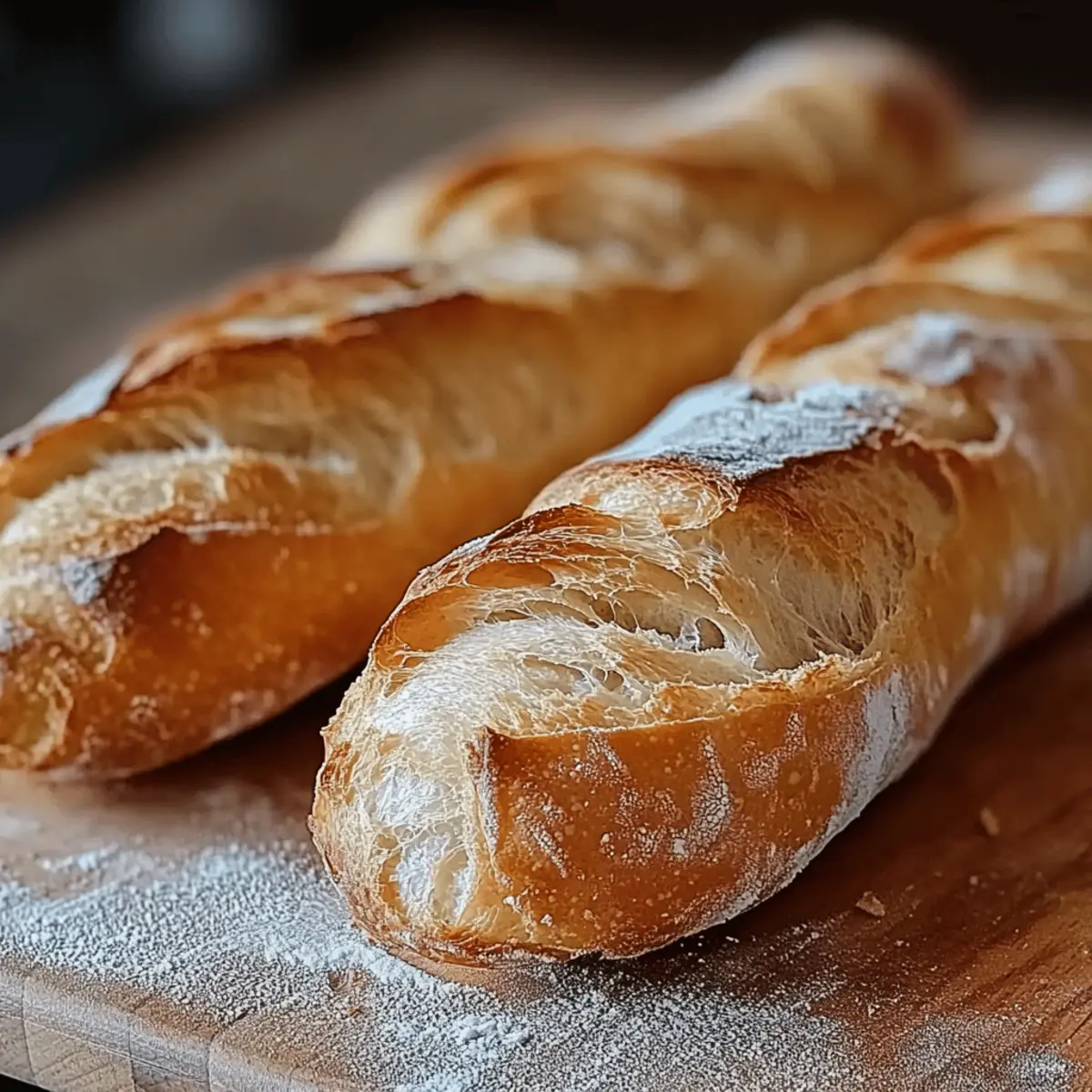
Why is Homemade Baguette So Irresistible?
Artisan Quality: Experience the joy of creating an authentic French baguette, unmatched by fast food.
Irresistible Aroma: The scent of baking bread fills your kitchen, inviting everyone in!
Customizable Flavors: Add herbs or cheeses for a personal twist, just like in your favorite bakery.
Simple Process: Don’t worry about skill levels; this recipe is designed for everyone to succeed!
Perfect for Sharing: Bring people together with warm, crusty loaves, whether it’s for dinner or a casual afternoon snack.
For more delicious homemade goodies, consider checking out my Homemade Peach Cobbler or whip up a lovely cup of Pumpkin Coffee Creamer to enjoy alongside your baguette!
Homemade Baguette Ingredients
• Create your perfect loaf with these essential ingredients.
For the Dough
- All-Purpose Flour – Provides the necessary structure; using bread flour gives a chewier texture.
- Salt – Enhances flavor and strengthens the gluten structure; do not skip this.
- Sugar – Helps activate the yeast and contributes to browning; feel free to substitute with honey or agave.
- Active Dry Yeast – Essential for dough rise; fresh yeast can be substituted but with a slight adjustment.
- Warm Water – Activates the yeast; ensure the temperature is around 110°F (43°C) for best results.
For Dusting
- Cornmeal or Flour – Use as a dusting agent for your baking sheet to prevent sticking; flour works well if cornmeal isn’t available.
Embrace the joy of baking with this homemade baguette recipe, and enjoy every heavenly bite!
Step‑by‑Step Instructions for Homemade Baguette
Step 1: Dough Preparation
In a large mixing bowl, combine 3 cups of all-purpose flour, 2 teaspoons of salt, and 1 teaspoon of sugar. In a separate small bowl, dissolve 2 teaspoons of active dry yeast in 1 ¼ cups of warm water (around 110°F or 43°C) for about 5-10 minutes until it’s frothy. Gradually pour the yeast mixture into the flour mixture and stir until you achieve a shaggy dough.
Step 2: Kneading
Transfer the shaggy dough onto a floured surface and knead for 8-10 minutes, folding and pressing until smooth and elastic. Alternatively, use a stand mixer fitted with a dough hook for about 6-8 minutes on medium speed. You’ll know it’s ready when the dough stretches without tearing, becoming soft and pliable—your perfect base for homemade baguette!
Step 3: First Rise
Shape the kneaded dough into a ball and place it in a lightly greased bowl, turning it to coat with oil. Cover the bowl with a damp cloth or plastic wrap and let it rise in a warm spot until doubled in size, which will take approximately 1 to 1½ hours. You’ll see it puff up beautifully during this time, ready for the next step.
Step 4: Cold Fermentation (Optional)
For those who prefer a deeper flavor, refrigerate the dough overnight for 8-12 hours after the first rise. This cold fermentation step will develop a richer taste in your baguette. When ready, remove the dough from the fridge and allow it to come to room temperature for about 15 minutes before shaping.
Step 5: Shaping
After resting, punch down the dough to release the air, then divide it into 2-3 equal pieces. On a floured surface, flatten each piece into a rectangle, then fold the sides toward the center and roll tightly to form long baguette shapes, about 14-16 inches. Pinch the seams well to ensure they hold their shape during the second rise.
Step 6: Second Rise
Place the shaped baguettes seam-side down on a cornmeal-dusted baking sheet, ensuring they have enough space to expand. Cover with a cloth and let them rise for another 45-60 minutes, or until they are noticeably puffy. You’ll see them grow fuller, indicating they’re ready to bake and will yield that ideal crust.
Step 7: Preheat Oven
While the dough is rising, preheat your oven to 475°F (245°C). Place a metal pan on the bottom rack to create steam during baking—this crucial step helps achieve that hallmark crust you want for your homemade baguette. Once preheated, it’s time for the final touches before baking!
Step 8: Scoring and Baking
Just before placing the baguettes in the oven, score the tops with a sharp knife or bread lame, making shallow cuts at a diagonal angle. Pour a cup of hot water into the preheated pan to create steam, then slide the baking sheet into the oven. Bake for 20-25 minutes, or until the baguettes are golden brown and sound hollow when tapped on the bottom.
Step 9: Cooling
After baking, carefully transfer the baguettes to a wire rack and allow them to cool for at least 20 minutes before slicing. This cooling period allows the crust to set and the flavors to develop further in your fresh, homemade baguette. Enjoy the delightful aroma wafting through your kitchen!
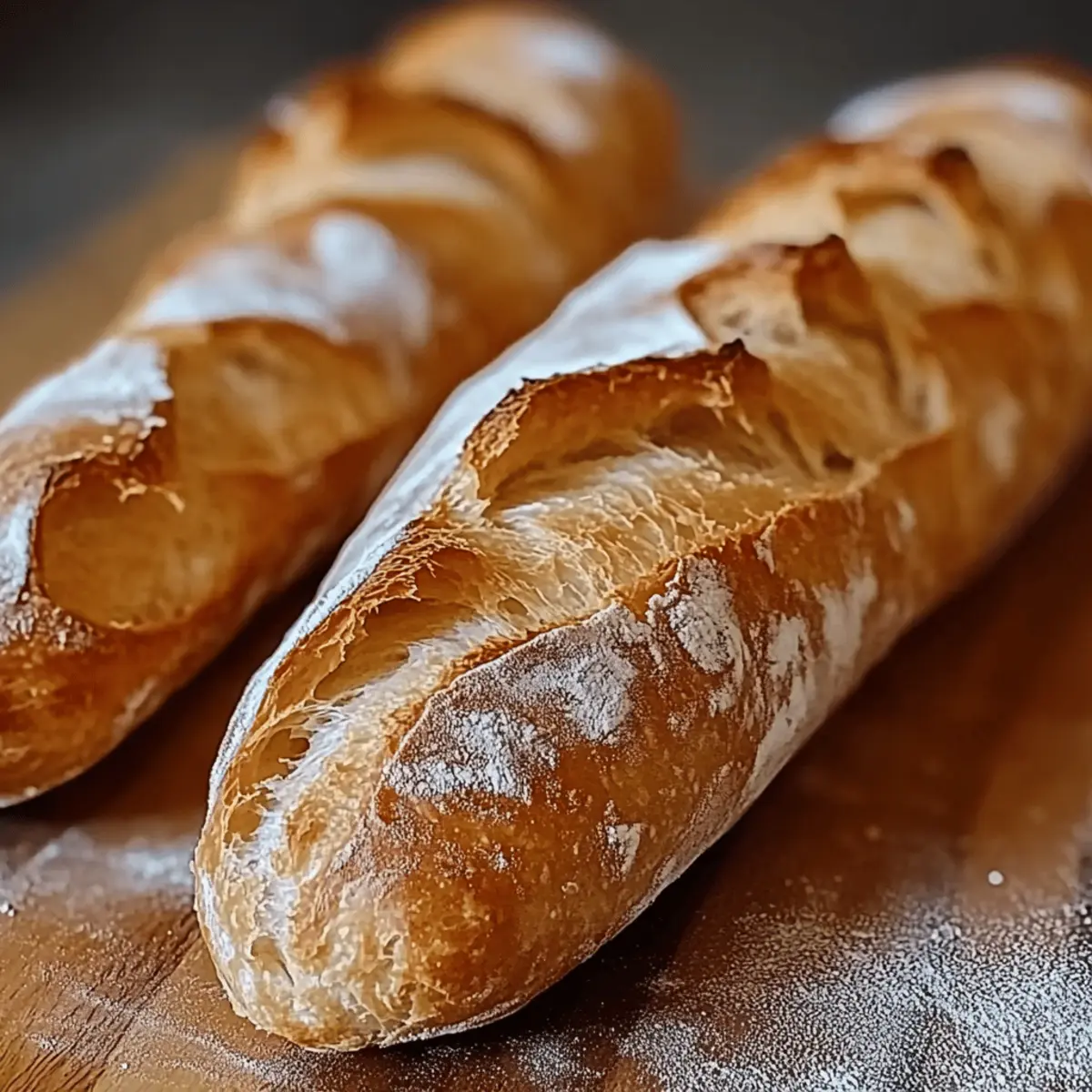
What to Serve with Easy Homemade French Baguettes
Warm, crusty bread can elevate any meal, making it a delightful addition to your dining table.
-
Creamy Garlic Soup: The rich creaminess pairs perfectly with the baguette’s crust, offering a cozy dipping experience.
Dive into a bowl of velvety garlic soup that invites you to scoop up every spoonful with your artisan bread, ensuring no flavor goes to waste. -
Fresh Garden Salad: A vibrant mix of greens brightens your plate, while the baguette adds a satisfying crunch when enjoyed side by side.
The lightness of the salad complements the bread’s hearty texture, creating an inviting contrast that feels well-balanced and nourishing. -
Savory Cheese Platter: Pair your baguette with an assortment of cheeses for a delightful tasting experience.
Include creamy brie, sharp cheddar, or tangy goat cheese to enhance the bread’s flavors, making it a hit at any gathering. -
Roasted Vegetables: Sweet, caramelized veggies alongside baguettes create a hearty, comforting meal full of texture and flavor.
Savoring the toasted crunch of the bread dipped in the natural juices of roasted vegetables offers a comforting and satisfying bite. -
Classic Tomato Basil Bruschetta: Refreshing and bright, this joyful topping brings a burst of flavor that perfectly matches the baguette.
Each hearty slice of bread topped with this delicious medley creates a delightful appetizer that everyone will love. -
Red Wine: A glass of robust red wine enhances the meal while providing a sophisticated pairing with your homemade baguette.
The wine’s deep flavors complement the bread’s nuttiness, perfectly rounding out the dining experience, whether for a special occasion or a cozy night in.
Helpful Tricks for Homemade Baguette
-
Use Fresh Yeast: Always check the expiration date on your yeast. Fresh yeast ensures a better rise, preventing flat loaves.
-
Don’t Rush the Rise: Allow the dough to double in size during the first rise. Insufficient rising time can lead to a dense baguette.
-
Steam Matters: Remember to pour hot water into the preheated pan. This essential step creates steam for a crisp crust on your homemade baguette.
-
Proper Scoring: Use a sharp knife to score the dough; this allows steam to escape while baking and ensures even expansion.
-
Cooling Time Is Key: Let your baguettes cool before slicing. Cutting too soon can result in a gummy texture instead of the perfect crusty exterior.
Make Ahead Options
These homemade baguettes are perfect for meal prep enthusiasts! You can prepare the dough up to 24 hours in advance by following the cold fermentation method—simply refrigerate the dough after the first rise for 8-12 hours. When you’re ready to bake, remove the dough from the fridge, allow it to come to room temperature for about 15 minutes, then shape and proceed with the second rise. Additionally, you can shape the baguettes and store them in the refrigerator for up to 3 days. Cover them well to prevent drying out; when you’re ready to bake, let them sit at room temperature for 30 minutes before scoring and baking. This prep-ahead option not only saves time but ensures your homemade baguettes turn out just as delicious and crusty as fresh!
How to Store and Freeze Homemade Baguette
Room Temperature: Place your baguette in a paper bag at room temperature for up to 2 days. This helps maintain the crust’s crispiness while keeping the inside soft.
Fridge: Avoid refrigerating your baguette, as this can dry it out. Instead, enjoy it fresh for the best flavor and texture.
Freezer: For longer storage, wrap baked baguettes tightly in plastic wrap and aluminum foil. They can be frozen for up to 3 months—simply thaw at room temperature when ready to enjoy.
Reheating: To revive a frozen baguette, preheat your oven to 375°F (190°C), unwrap the bread, and bake for about 10 minutes until warmed through and crusty. Enjoy your delicious homemade baguette once more!
Homemade Baguette: Endless Customizations
Feel free to unleash your creativity and personalize this recipe into something uniquely delicious!
- Herb-Infused: Add dried herbs like rosemary or thyme to the dough for a fragrant twist that elevates your homemade baguette.
- Cheesy Delight: Fold in grated Parmesan or cheddar before the first rise for an irresistible cheesy flavor that will impress your family and friends.
- Whole Wheat: Swap all-purpose flour with whole wheat flour for a heartier baguette, balancing flavor and nutrition beautifully.
- Garlic Punch: Incorporate minced garlic or roasted garlic into the dough to infuse your baguette with a warm, savory bite.
- Spicy Kick: For a touch of heat, add crushed red pepper flakes to the dough; it’s a delightful surprise with the warm, crusty bread.
- Veggie-Laden: Consider adding finely diced sun-dried tomatoes or olives to the dough for a Mediterranean flair that brightens your baking experience.
- Fun Shapes: Instead of traditional baguettes, roll your dough into rolls or twists for a fun and playful presentation for gatherings!
- Airy & Light: You can adjust the hydration level of the dough for a more open crumb, ensuring those airy pockets of heaven everyone loves in artisan bread.
As you dive into the thrilling world of homemade baking, don’t forget to check out my Homemade Peach Cobbler or try making your own Pumpkin Coffee Creamer to enjoy alongside your delightful baguette creations!
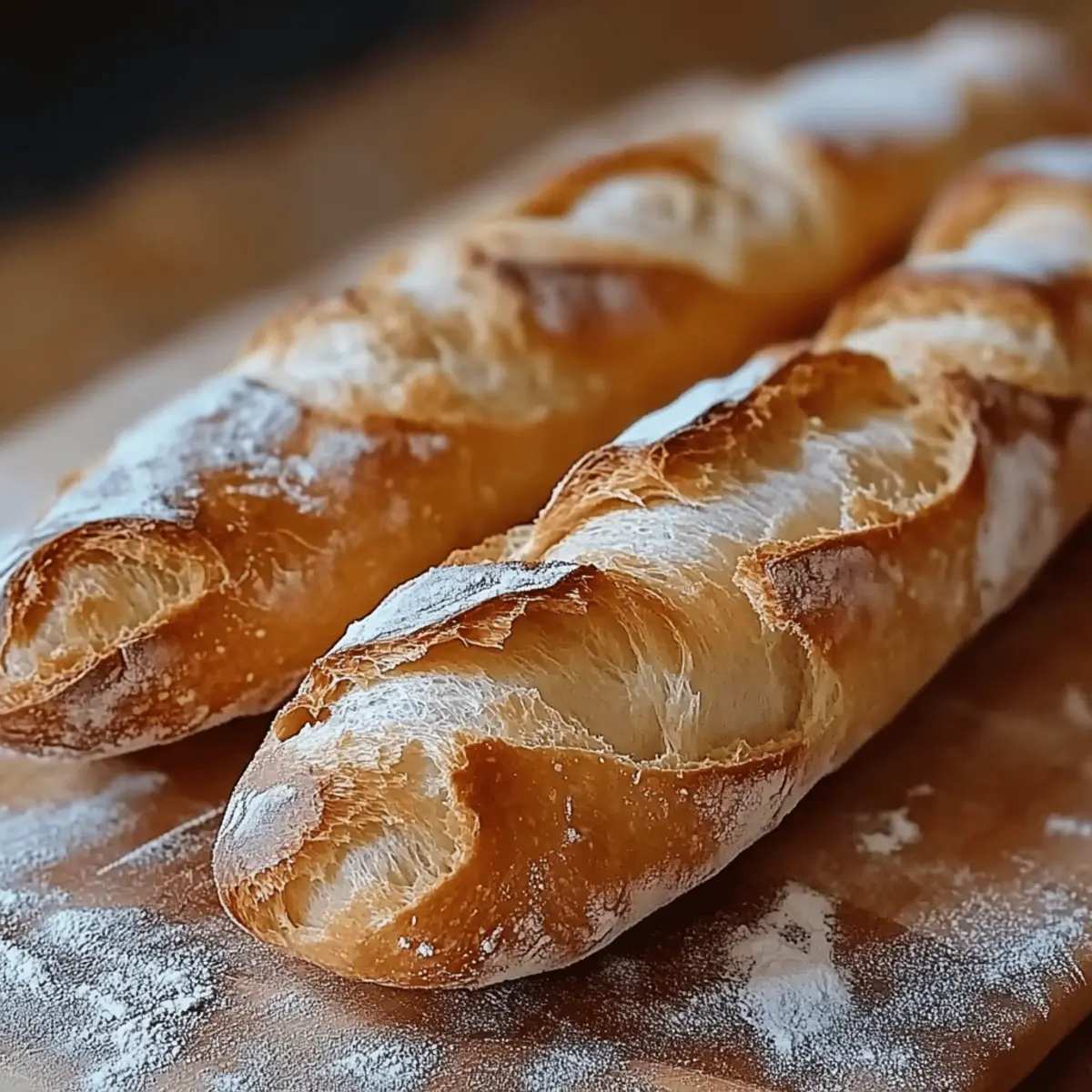
Homemade Baguette Recipe FAQs
How do I select the best flour for my baguette?
Absolutely! For a classic baguette, I recommend using all-purpose flour, but if you’re looking for a chewier texture, bread flour is the way to go. Both will yield delicious results, but opt for bread flour for that professional bakery feel.
How should I store my homemade baguette?
To keep your baguette fresh, store it in a paper bag at room temperature for up to 2 days. This method preserves the crispiness of the crust while keeping the interior soft. Avoid plastic as it traps moisture and can turn the crust soft.
Can I freeze baked or unbaked baguettes?
Yes, you can absolutely freeze both! For baked baguettes, wrap them tightly in plastic wrap and foil, then freeze for up to 3 months. When ready to enjoy, thaw at room temperature. If you’re freezing unbaked dough, wrap it tightly as well and remember to defrost it in the fridge overnight before proceeding to shape and bake.
What common issues should I troubleshoot when making baguettes?
The most common issue is dough that doesn’t rise properly, which can happen if your yeast is expired. Always check the expiration date! If the dough seems too sticky while kneading, sprinkle in a bit more flour, but be careful not to add too much—it could hinder the gluten structure!
Can I add ingredients for different flavors?
Very! Feel free to mix in herbs, cheese, or olives into your dough before the first rise. This not only adds personality to your baguette but will surely impress at your next gathering! Just keep in mind that adding too many ingredients can affect the dough’s structure, so balance is key.
Is this baguette recipe suitable for those with allergies?
If you’re baking for someone with gluten intolerance, consider gluten-free flour blends, though the texture may differ. For those allergic to yeast, sourdough methods can be explored, but this will require a bit more time and preparation. Always prioritize safety when cooking for others with dietary restrictions!
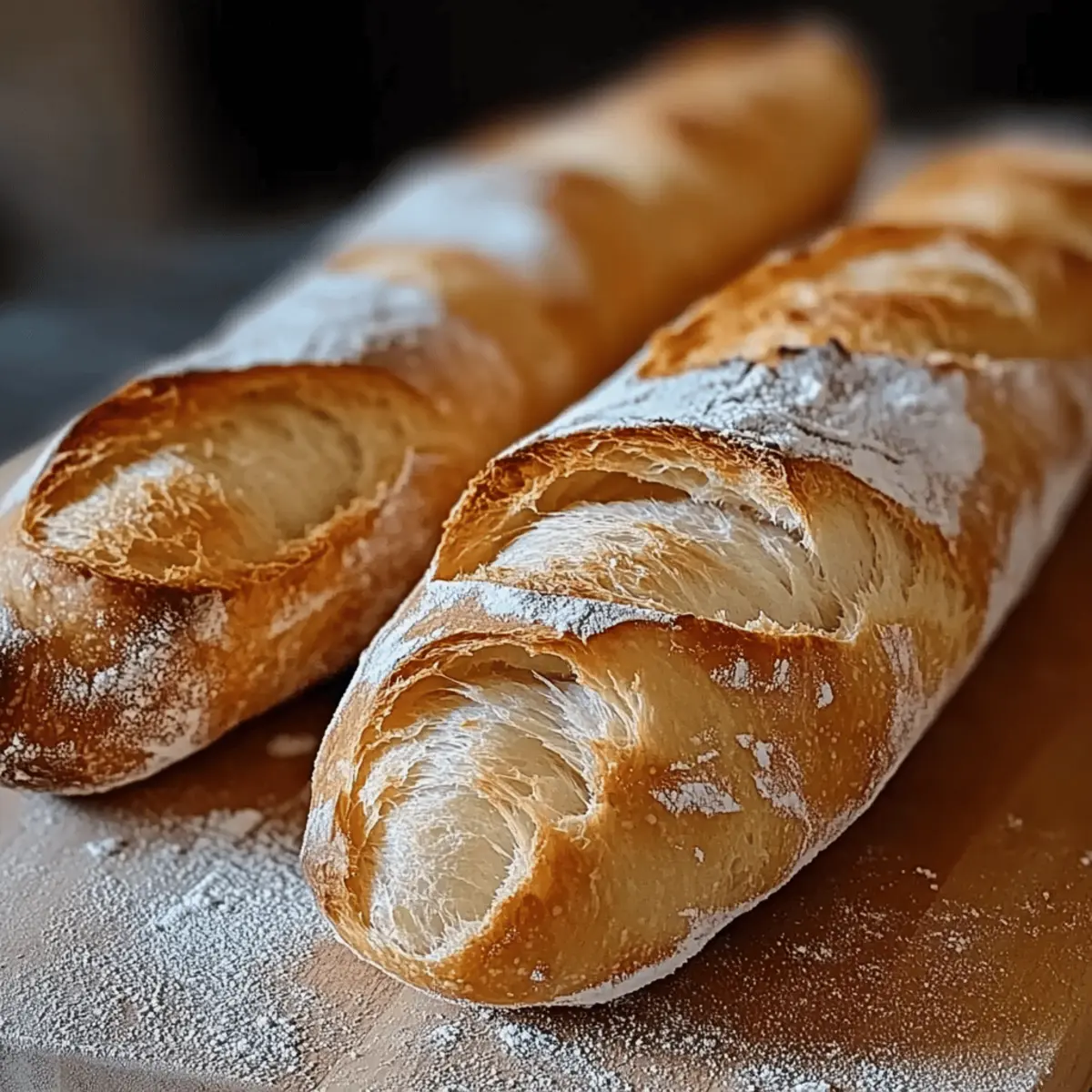
Homemade Baguette: Master the Art of Bakery-Style Bread
Ingredients
Equipment
Method
- Combine 3 cups of all-purpose flour, 2 teaspoons of salt, and 1 teaspoon of sugar in a large mixing bowl.
- Dissolve 2 teaspoons of active dry yeast in 1 ¼ cups of warm water for 5-10 minutes until frothy.
- Pour the yeast mixture into the flour mixture and stir until a shaggy dough forms.
- Transfer the shaggy dough onto a floured surface and knead for 8-10 minutes until smooth and elastic.
- Alternatively, use a stand mixer for about 6-8 minutes on medium speed.
- Shape the kneaded dough into a ball and place it in a greased bowl, turning to coat.
- Cover and let it rise until doubled in size, about 1 to 1½ hours.
- For a deeper flavor, refrigerate the dough overnight for 8-12 hours.
- Bring to room temperature for about 15 minutes before shaping.
- Punch down the dough, divide into 2-3 pieces, flatten each into a rectangle, fold sides towards the center, and roll tightly.
- Place shaped baguettes seam-side down on a cornmeal-dusted baking sheet, cover, and let rise for 45-60 minutes.
- Preheat your oven to 475°F (245°C) and place a metal pan on the bottom rack.
- Score the tops of the baguettes with a sharp knife, pour hot water into the preheated pan, and bake for 20-25 minutes.
- Transfer the baked baguettes to a wire rack to cool for at least 20 minutes before slicing.
Leave a Reply