
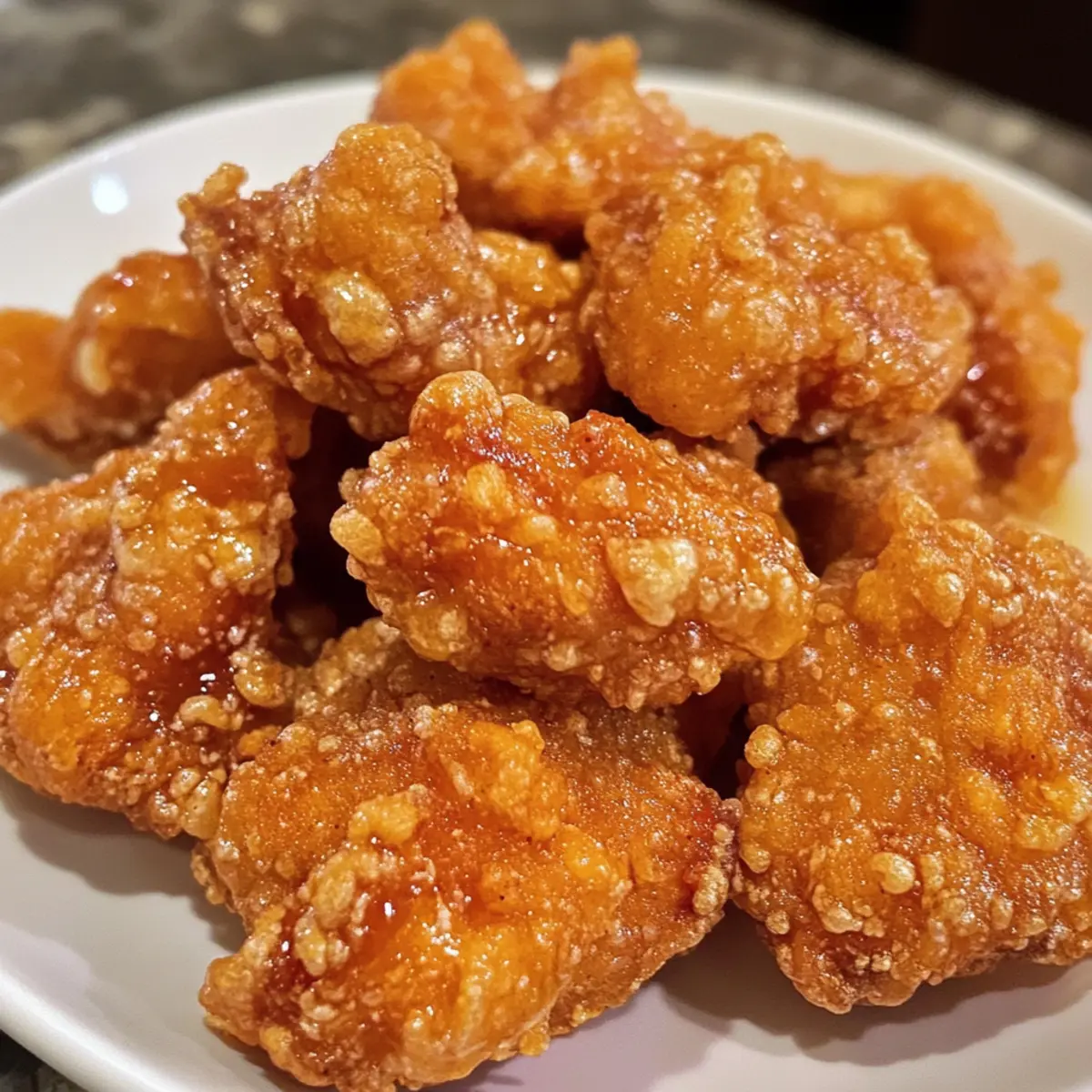
As I sipped on a steaming bowl of miso soup in a cozy Japanese eatery, the unmistakable aroma of crispy fried chicken wafted through the air, setting my taste buds ablaze with anticipation. That moment sparked my love for Japanese Fried Chicken (Karaage), a dish that perfectly balances a crunchy exterior with a succulent interior. This easy-to-follow recipe will guide you through the marination process—infused with soy sauce, sake, ginger, and mirin—that delivers an authentic burst of flavor in every bite. Not only is this karaage chicken a guaranteed crowd-pleaser, but it’s also quick enough for a busy weeknight dinner, meaning you can enjoy incredibly satisfying flavors without hours in the kitchen. Are you ready to dive into the delicious world of homemade karaage? Let’s embark on this mouthwatering journey together!
Why is Karaage Chicken So Irresistible?
Crispy Texture: The double-frying technique ensures a gloriously crunchy exterior that contrasts beautifully with the juicy chicken inside.
Authentic Flavor: A perfect marriage of soy sauce, sake, and ginger creates an unforgettable savory experience that’s deeply satisfying.
Easy Preparation: With just a few simple ingredients and steps, making restaurant-quality karaage at home is a breeze!
Versatile Dish: Enjoy it on its own or paired with shredded lettuce, daikon salad, or even alongside a bowl of miso soup for a complete meal.
Quick Cooking: Ideal for busy weeknights, this recipe comes together rapidly, allowing you to serve an impressive meal without spending hours in the kitchen.
Elevate your dinner rotation with this delightful karaage recipe, and check out our other flavorful options like Greek Chicken Meatballs or Garlic Parmesan Chicken for even more culinary inspiration!
Japanese Fried Chicken Ingredients
For the Marinade
- Soy Sauce – A key flavor component; tamari can be used for a gluten-free option.
- Cooking Sake – Adds delicious depth; substitute with a cooking wine but avoid Chinese cooking wine for the best results.
- Mirin – Contributes sweetness; can be replaced with sugar at a 2:1 ratio.
- Freshly Grated Ginger – Enhances the flavor; adjust the quantity based on your preference for ginger’s spiciness.
For the Chicken
- Chicken Thigh Fillets – Recommend skin-on for moisture; can also use skinless for a leaner option.
- Corn Flour/Cornstarch – Creates a lighter, crispier texture; substitutes include plain flour or a mix of both.
For Frying
- Vegetable Oil – Essential for deep frying; canola or sunflower oil are excellent choices due to their high smoke points.
Step‑by‑Step Instructions for Japanese Fried Chicken (Karaage)
Step 1: Marinate the Chicken
Begin by patting the chicken thigh fillets dry with paper towels to remove excess moisture. In a large bowl or resealable bag, combine the soy sauce, cooking sake, mirin, and freshly grated ginger. Add the chicken, ensuring each piece is evenly coated. Seal the bag or cover the bowl and let it marinate in the refrigerator for 30 minutes to 1 hour, allowing the flavors to penetrate the meat.
Step 2: Prepare for Frying
After marination, drain the excess marinade from the chicken pieces. On a large plate or shallow dish, pour corn flour or cornstarch, which will create a crispy coating. Dredge each chicken piece in the corn flour, ensuring they are thoroughly coated and shaking off any excess. This preparation is essential for achieving that delightful crunch in your Japanese Fried Chicken (Karaage).
Step 3: Heat the Oil
In a deep pot or frying pan, heat vegetable oil to 160°C/320°F. You can test the oil’s readiness by inserting a wooden chopstick; small bubbles should form around it. This indicates that the temperature is ideal for frying. Make sure to use a thermometer for accuracy if available, as proper oil temperature is crucial for perfectly fried karaage.
Step 4: First Frying Session
Carefully add the coated chicken pieces to the hot oil in batches, ensuring not to overcrowd the pot. Fry the chicken for about 2.5-3 minutes until it turns a light golden brown. Once done, use a slotted spoon to remove the chicken and place it on a plate lined with paper towels to absorb excess oil. This initial fry allows for that perfect foundation of crispy texture.
Step 5: Increase Oil Temperature
Following the first fry, increase the oil temperature to 190-200°C/374-392°F. Allow the oil to heat up for a few minutes. This step is critical as it ensures that your karaage achieves that deeply golden and crunchy finish without burning. Patience here pays off, enhancing the overall quality of your Japanese Fried Chicken.
Step 6: Second Frying Session
Once the oil reaches the appropriate temperature, return the fried chicken pieces to the pot for a second fry. Cook them for 30 seconds to 1 minute, monitoring closely until they become a rich golden brown and crispy. This second frying step locks in the moisture while giving your karaage its signature crunch.
Step 7: Drain and Serve
After the final fry, remove the chicken and place it back on the paper towel-lined plate to eliminate any remaining oil. Allow them to rest for a minute, letting the delicious crispy exterior cool slightly. Now, you can serve your Japanese Fried Chicken (Karaage) hot, accompanied by shredded lettuce or a tangy dipping sauce for a delightful crunch and flavor contrast.
Make Ahead Options
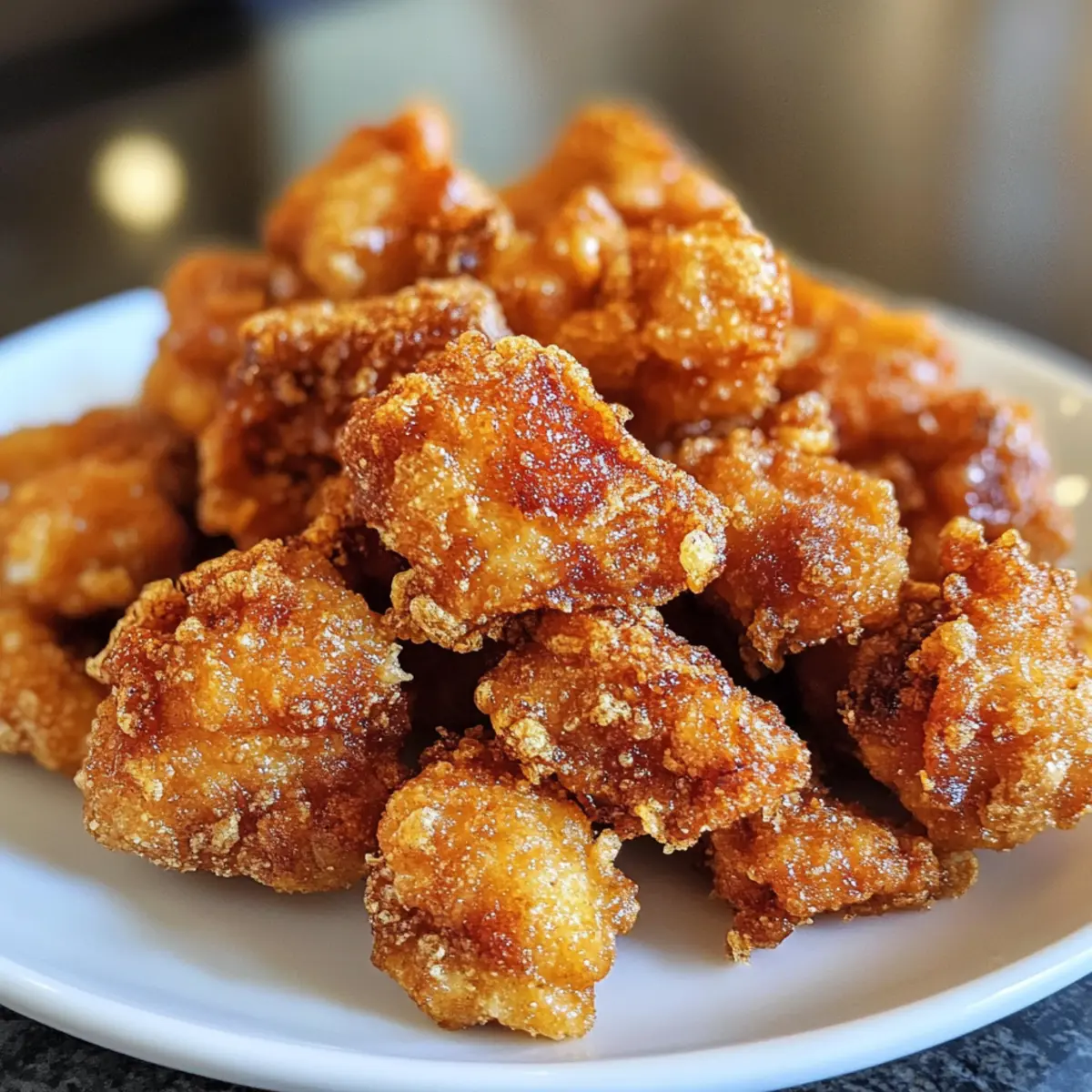
These Japanese Fried Chicken (Karaage) pieces are perfect for those busy days when meal prep saves the evening! You can marinate the chicken in the soy sauce mixture up to 24 hours in advance; this enhances the flavor while keeping the meat juicy. Additionally, bread the coated chicken pieces and refrigerate them for up to 3 days before frying. To maintain the crispy texture, be sure to fry the chicken fresh and avoid double-dipping when storing them. When you’re ready to indulge, simply fry the marinated and coated chicken according to the instructions, and enjoy flavorful, restaurant-quality karaage right at home!
Storage Tips for Japanese Fried Chicken (Karaage)
Room Temperature: Serve leftover karaage immediately for the best flavor. If keeping out, enjoy within 2 hours to ensure food safety.
Fridge: Store any remaining karaage in an airtight container for up to 3 days. This helps maintain moisture while preventing it from drying out.
Freezer: For longer storage, freeze the cooled fried chicken in a single layer on a baking sheet. Once frozen solid, transfer to a freezer bag for up to 3 months.
Reheating: When ready to enjoy, reheated karaage is best in the oven or air fryer to restore its crispiness. Heat at 175°C/350°F for about 10–15 minutes, or until warmed through.
Japanese Fried Chicken Variations & Substitutions
Feel free to get creative and customize your karaage chicken experience with these tantalizing ideas!
-
Potato Starch: Swap corn starch for potato starch for an even crunchier texture. This variation offers a delightful blonde crisp that enhances your fried chicken’s appeal.
-
Garlic Infusion: Add minced garlic to your marinade for a robust flavor kick. The sweetness of garlic pairs wonderfully with the savory notes, elevating your dish to heavenly heights.
-
Mirin-Free Option: Skip the mirin and substitute with a little extra sugar for a different sweetness profile. This makes the flavor lighter, balancing perfectly with any dipping sauce you choose.
-
Vegan Twist: Use firm tofu or tempeh instead of chicken for a delicious plant-based version. Marinate similarly and enjoy the same satisfying crunch and flavor in a vegan-friendly format.
-
Spicy Kick: Mix in some chili oil or sriracha to the marinade for a fiery twist. This adds excitement and heat that will surely satisfy spice lovers in your household.
-
Alternative Proteins: Try frying fish or shrimp using the same marinade and cooking techniques. Each protein brings a unique texture and flavor that can create a delightful twist on classic karaage.
-
Seasoned Flour: Enhance the corn flour or starch by mixing in your favorite seasonings like paprika, cayenne, or dried herbs for an extra flavor boost. This simple addition can elevate your dish from tasty to extraordinary!
Elevate your dinner nights with this ever-versatile recipe while exploring different flavors. If you’re still feeling inspired, take a peek at our scrumptious Grilled Chicken Sweet Potato Bowl or vibrant Street Corn Chicken Rice Bowl for more culinary adventures!
What to Serve with Crispy Double-Fried Karaage Chicken?
Dive into this culinary adventure by pairing your delicious crispy karaage with vibrant and complementary side dishes!
-
Shredded Lettuce or Cabbage: These fresh greens provide a refreshing crunch that balances out the savory, crispy chicken beautifully. Their lightness allows the karaage’s rich flavors to shine.
-
Daikon Salad: This tangy, crunchy salad made with radishes adds a peppery zing, enhancing the dish while cutting through the richness of the fried chicken.
-
Miso Soup: Warm and comforting, miso soup offers a soothing contrast to the crispy texture of karaage, wrapping you in a cozy Japanese dining experience.
-
Steamed Rice: A classic pairing! The subtle flavor of plain steamed rice complements the savory notes of the karaage, making every bite satisfying and complete.
-
Pickled Vegetables: Adding a small bowl of pickled vegetables introduces a zesty and tart flavor, balancing the saltiness of the chicken and refreshing your palate between bites.
-
Japanese Beer or Sake: Enjoying a light Japanese beer or a chilled glass of sake with your karaage enhances the tasting experience, making every meal feel like a special occasion.
-
Green Tea: A warm cup of green tea provides a gentle, earthy flavor that complements the savory chicken while aiding digestion—it’s a lovely way to finish a meal!
Expert Tips for Japanese Fried Chicken
-
Oil Temperature Accuracy: Ensure your oil is between 160°C to 200°C. If it’s too low, chicken absorbs oil and becomes greasy; too high, and it burns before cooking through.
-
Avoid Overcrowding: Fry in small batches to maintain oil temperature, ensuring even cooking and that signature crispy texture of karaage.
-
Marinating Time: Keep an eye on the marinating time; over-marinating can lead to overly salty chicken. Aim for 30 minutes to 1 hour for the best flavor balance.
-
Skim the Oil: Between frying batches, skim off any crumbs in the oil to maintain its quality, which contributes to a cleaner taste in your Japanese Fried Chicken.
-
Rest the Chicken: Allow chicken to rest on paper towels after frying to let excess oil drain and to uphold that glorious crunch before serving.
Japanese Fried Chicken (Karaage) Recipe FAQs
How do I select the best chicken for karaage?
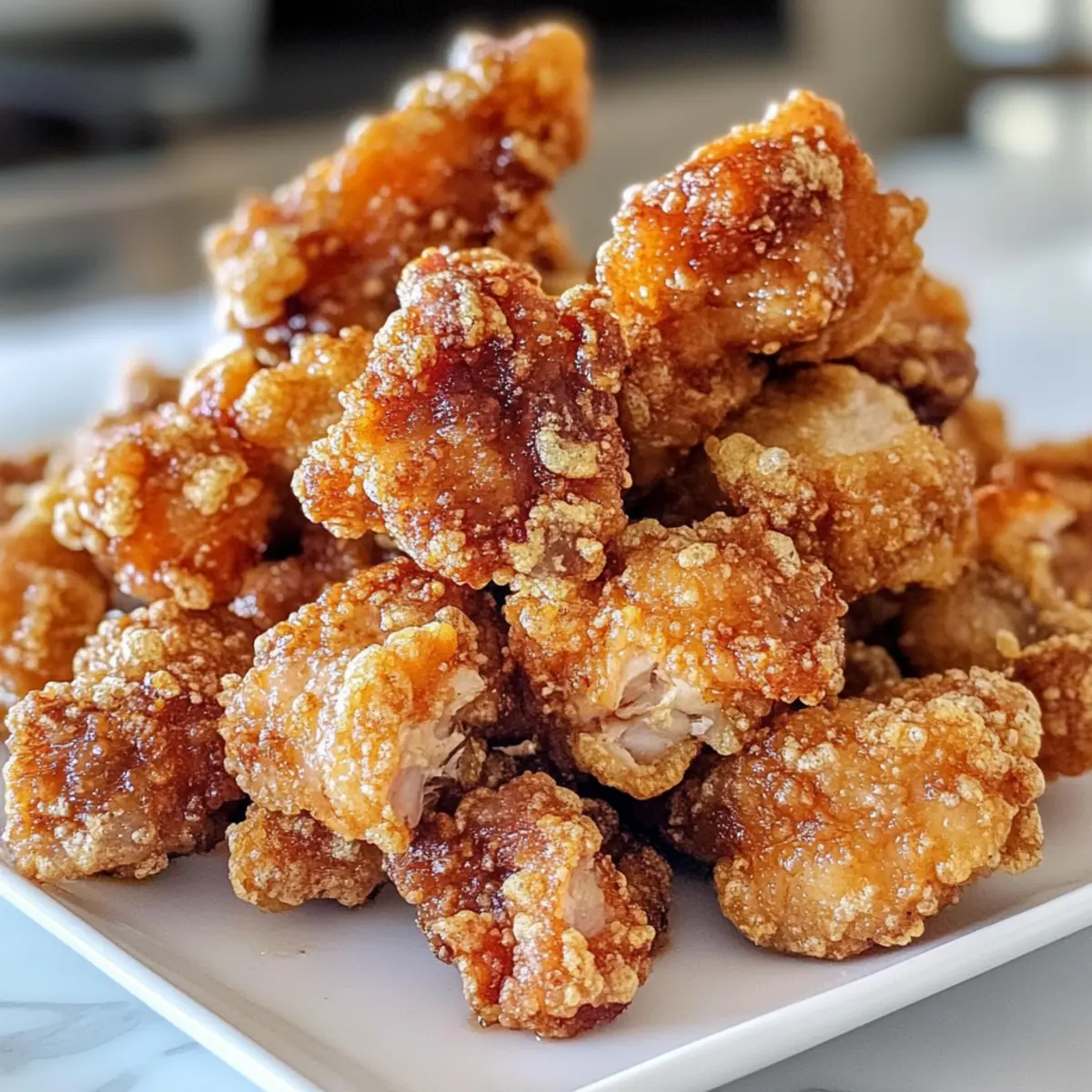
Absolutely! For the juiciest and most flavorful result, I recommend using skin-on chicken thigh fillets. The skin keeps the meat moist during cooking. If you prefer a leaner option, skinless thighs will work too, but you might miss out on some flavorful richness.
What is the best way to store leftover karaage?
Very good question! To keep your leftover karaage chicken fresh, store it in an airtight container in the fridge for up to 3 days. Make sure it’s completely cooled before sealing. This way, it stays juicy and ready for a quick reheat!
Can I freeze karaage chicken, and how?
Definitely! To freeze your delicious karaage, lay the cooked chicken on a baking sheet in a single layer and pop it in the freezer until solid. Once frozen, transfer the pieces to a freezer bag and store them for up to 3 months. When you’re ready to enjoy it again, simply reheat in an oven or air fryer to restore that signature crunch!
Why is my karaage chicken soggy instead of crispy?
Don’t worry, this can happen! Sogginess often results from overcrowding the frying pot, which lowers the oil temperature. Fry in smaller batches and ensure the oil is hot enough—160°C for the first fry and 190-200°C for the second fry—so you get that glorious crunch! Also, be sure to drain it on paper towels immediately after frying to remove excess oil.
What are some dietary considerations for karaage?
Great question! If you’re making karaage for someone with gluten sensitivities, you can easily substitute soy sauce with tamari for a gluten-free option. Additionally, vegetarians can try using tofu or even eggplant as a twist on the traditional recipe. Always check the labels for any allergens in additional ingredients, like marinades and coatings!
Is there a substitute for mirin in the marinade?
Absolutely! If you don’t have mirin on hand, you can replace it with sugar at a 2:1 ratio. For every tablespoon of mirin, use 2 teaspoons of sugar mixed with a tablespoon of water for a similar sweet effect in your marinade. Enjoy experimenting with flavors!
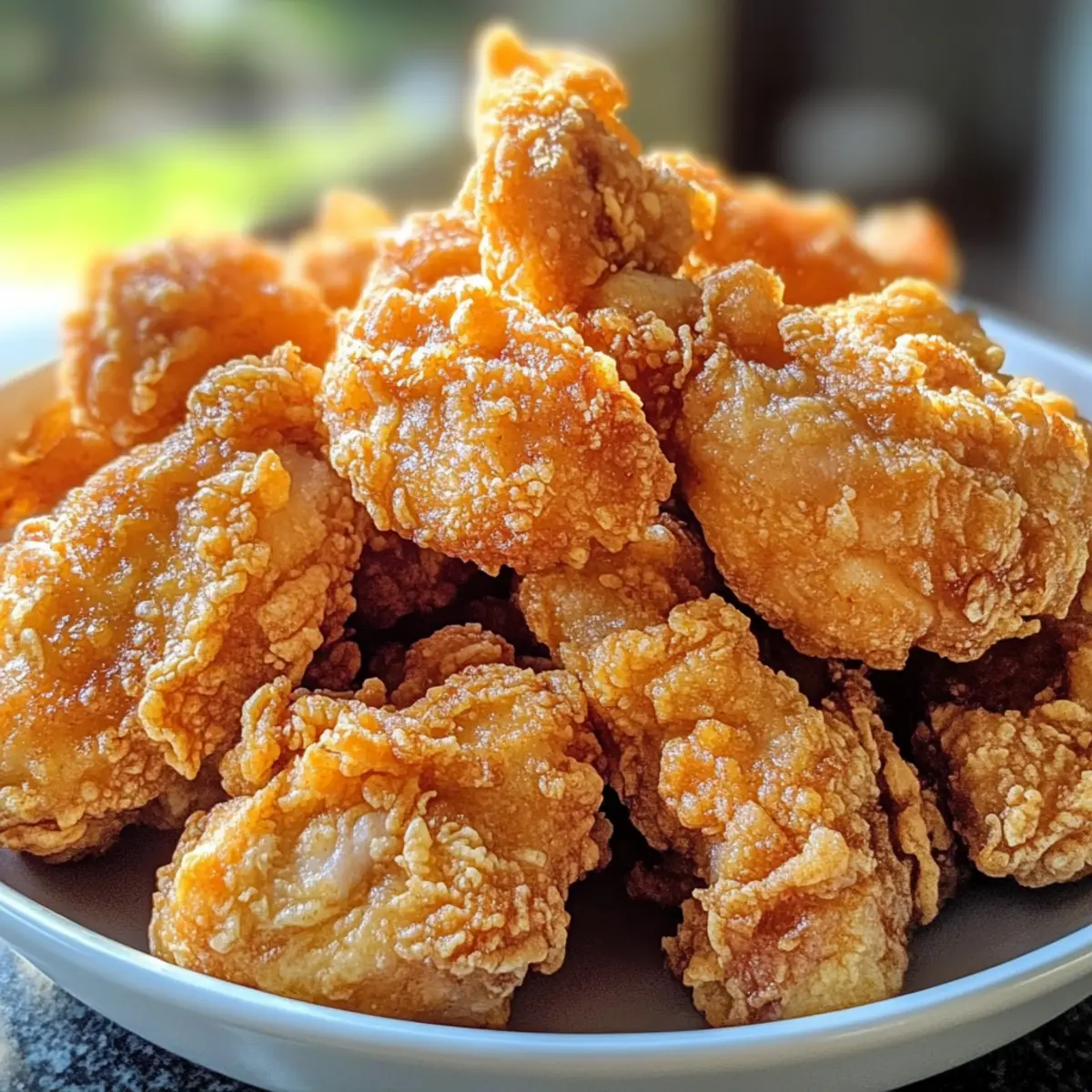
Savory Japanese Fried Chicken (Karaage) That Everyone Loves
Ingredients
Equipment
Method
- Pat the chicken thigh fillets dry with paper towels. Combine soy sauce, cooking sake, mirin, and ginger in a bowl or bag. Add chicken and marinate for 30 minutes to 1 hour.
- Drain excess marinade. Dredge the chicken pieces in corn flour/cornstarch.
- Heat vegetable oil to 160°C/320°F. Test readiness with a wooden chopstick.
- Fry chicken pieces in batches for about 2.5-3 minutes until light golden brown. Use a slotted spoon to remove and place on paper towels.
- Increase oil temperature to 190-200°C/374-392°F and wait for a few minutes.
- Return chicken pieces for a second fry for 30 seconds to 1 minute until rich golden brown.
- Drain the chicken on paper towels and serve hot.
Leave a Reply