
The scent of sweet, ripe mangoes wafts through the kitchen, instantly transporting me to vibrant Thai markets filled with exotic flavors. Today, I want to share my version of the beloved Mango Sticky Rice, a classic Thai dessert that effortlessly combines chewy, sticky rice with a creamy coconut sauce. This delightful treat is not only gluten-free and vegetarian but also remarkably easy to whip up at home—perfect for those evenings when you crave something special without the fuss. Plus, it features less sugar than many restaurant versions, making it a guilt-free indulgence any day of the week. Are you ready to impress your friends and family with this Thai gem? Let’s dive into the delicious world of Mango Sticky Rice!
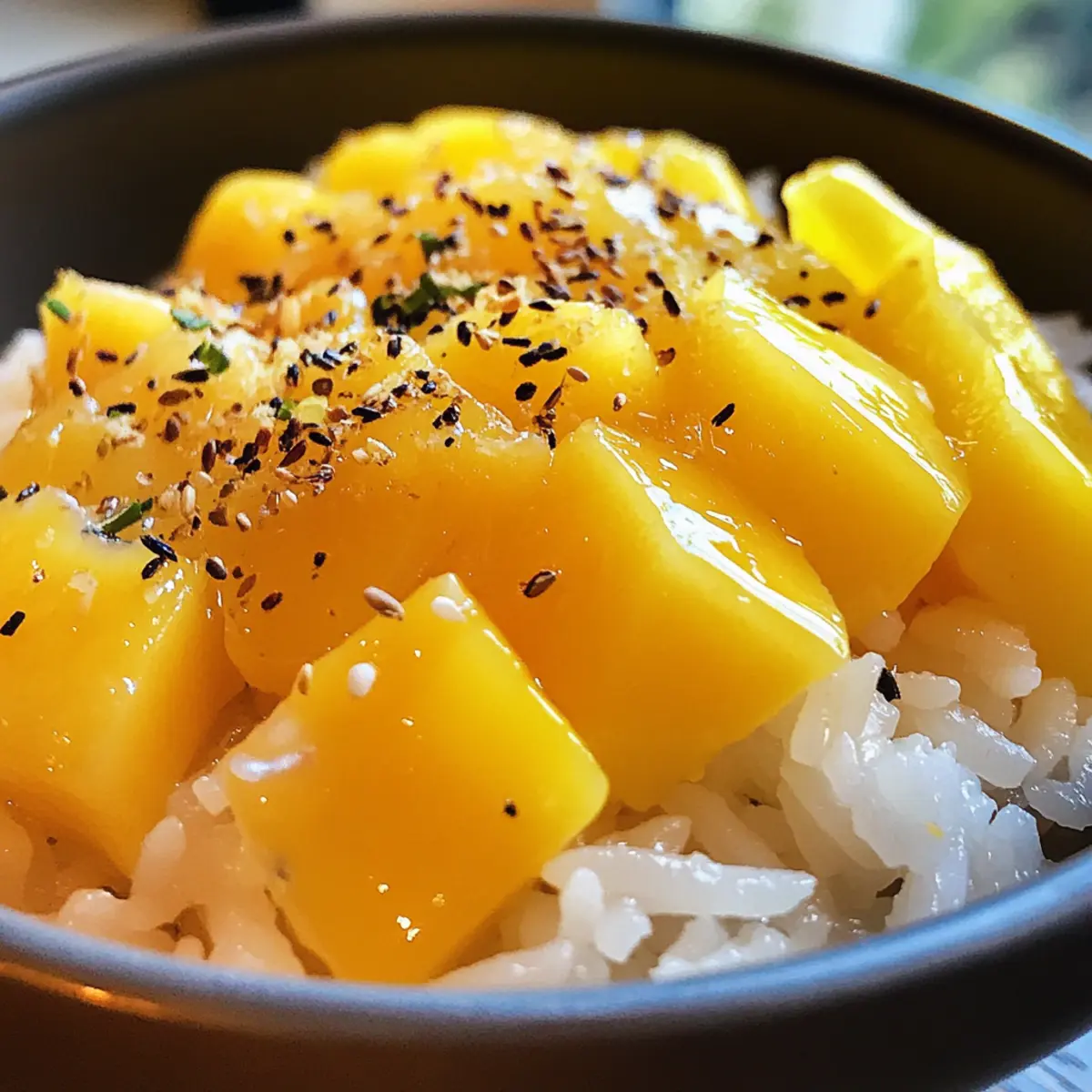
Why is Mango Sticky Rice a must-try?
Authenticity: This recipe brings the vibrant flavors of Thailand right to your home, making you feel like a Thai chef in your own kitchen.
Guilt-Free Indulgence: Enjoy a luscious dessert that uses less sugar than many restaurant versions, so you can satisfy your sweet tooth without the extra calories.
Versatile Ingredients: Feel free to swap coconut milk for coconut cream, or experiment with different mango varieties to suit your preferences. You’ll love finding your perfect combination!
Easy and Quick: Even novice cooks will appreciate the straightforward steps to create this treat—no elaborate skills required!
Crowd-Pleaser: Whether it’s a dinner party or a cozy family night, this dessert is sure to impress everyone around the table. For a complementary dish, consider serving this with a side of Cheesy Chicken Rice to elevate your meal!
Mango Sticky Rice Ingredients
• The perfect combination to create this delightful dessert awaits you!
For the Sticky Rice
- Sticky Rice – Essential for authenticity; substitute with black glutinous rice for a unique twist.
For the Coconut Sauce
- Coconut Milk – Provides a rich base; full-fat canned coconut milk is ideal for creaminess.
- Sugar – Sweetens the sauce; 1/4 cup is recommended, but consider brown sugar for a deeper flavor.
- Salt – Balances sweetness; just a pinch enhances the overall taste.
- Cornstarch (Optional) – Thickens the sauce for a creamier texture; use as needed based on coconut milk thickness.
For the Mango Topping
- Ripe Mangoes – Adds sweetness and texture; Ataulfo or Tommy Atkins are recommended for juiciness.
Embrace the delightful creation of Mango Sticky Rice with these simple, yet essential ingredients!
Step‑by‑Step Instructions for Mango Sticky Rice
Step 1: Rinse and Soak Rice
Begin by rinsing the sticky rice under cold water until the water runs clear; this removes excess starch. Once rinsed, soak the rice in cold water for at least 1 hour, or preferably overnight, to achieve that delightful chewiness. Soaking helps the grains absorb water and ensures even cooking when you steam them.
Step 2: Steam Rice
After soaking, drain the rice and transfer it to a heatproof bowl lined with cheesecloth. Set this bowl in a steamer over simmering water, ensuring the bowl does not touch the water. Cover and steam the rice for 20 to 25 minutes just until it becomes tender and sticky, turning opaque. You’ll know it’s done when it’s soft and clumps together beautifully.
Step 3: Prepare Coconut Sauce
While the rice is steaming, pour the coconut milk into a saucepan over medium heat. Add the sugar and salt, stirring gently until the sugar dissolves completely. For a creamier texture in your coconut sauce for the Mango Sticky Rice, consider mixing a cornstarch slurry using a tablespoon of cornstarch combined with a bit of water, then adding it to the mixture until desired thickness is reached.
Step 4: Combine
Once the sticky rice is fluffed and ready, pour 1 cup of the warm coconut sauce over the rice, gently folding it in until the grains are well coated and absorbing the creamy flavor. Let this mixture rest for about 10 minutes, allowing the rice to soak up the sauce, thus enriching the taste and overall texture of your Mango Sticky Rice.
Step 5: Serve
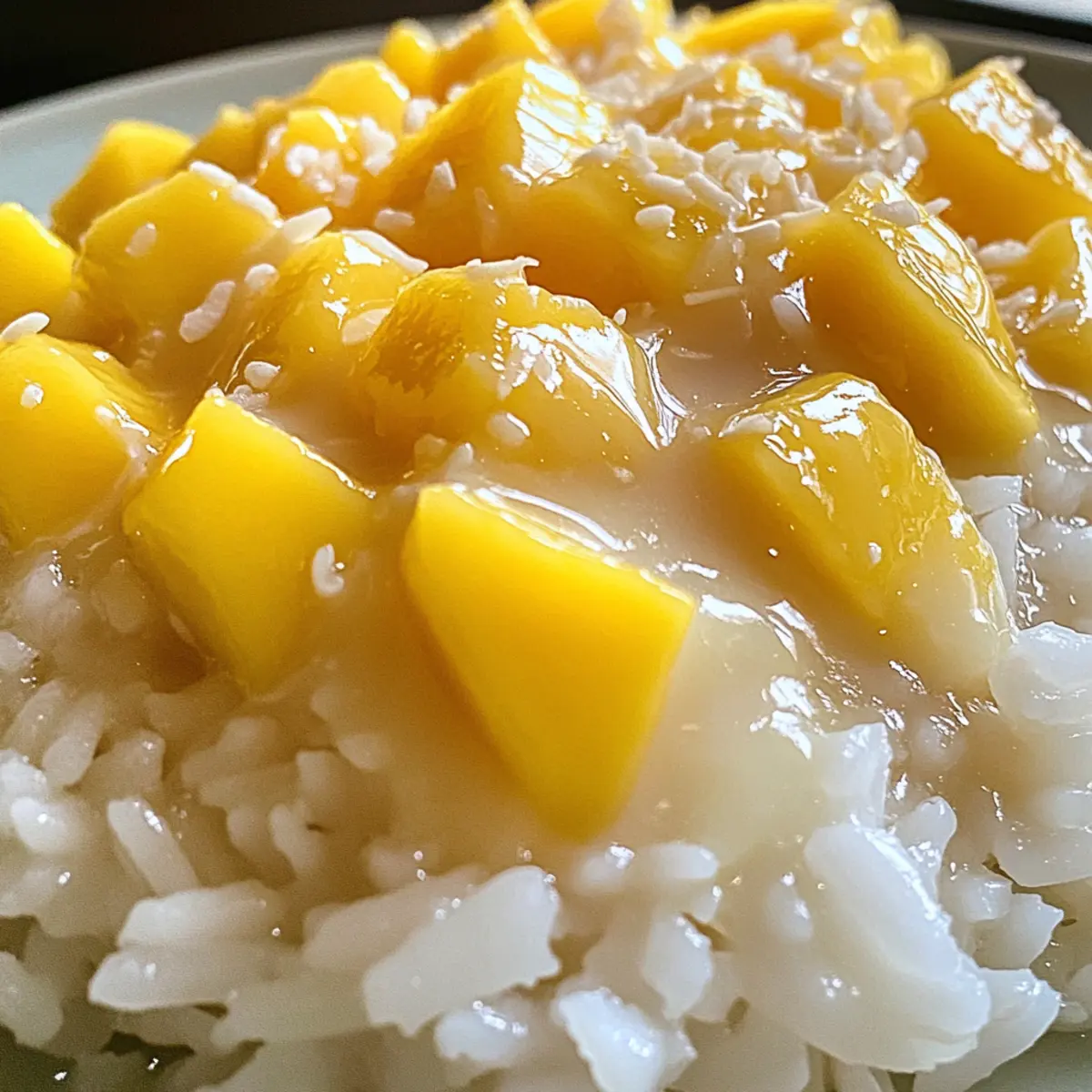
When you’re ready to serve, plate the fluffy sticky rice in a bowl alongside beautifully sliced ripe mangoes. Drizzle additional coconut sauce over the top, adding a bit more creaminess. For an extra touch, sprinkle some toasted sesame seeds or shredded coconut, and enjoy this luscious Thai dessert with family and friends, basking in both the aroma and flavor!
Mango Sticky Rice Variations & Substitutions
Feel free to personalize your Mango Sticky Rice with these fun and delicious variations that will spark your culinary creativity!
- Coconut Cream: Substitute coconut milk with coconut cream for an ultra-rich and creamy sauce. Perfect for those who crave that extra indulgence.
- Sticky Rice Alternatives: Try using black glutinous rice instead of traditional sticky rice for a striking visual twist and a slightly nuttier flavor, offering a unique take on this classic.
- Sweetness Swap: If you’re in the mood for something different, consider using brown sugar or palm sugar instead of white sugar for deeper caramel notes in your coconut sauce. It will add an amazing depth to the flavor!
- Fruit Medley: Experiment with different mango varieties or add complementary fruits like sliced bananas, or even berries, creating a colorful and textured experience that will impress your guests!
- Vegan-Friendly: To ensure all ingredients are vegan, choose raw cane sugar instead of processed sugar—the flavor remains rich while adhering to your dietary preferences!
- Spiced Up: For a warm twist, add a pinch of cinnamon or cardamom to the coconut sauce; this lovely addition will elevate the aroma and complexity of your dish.
- Nutty Toppings: Sprinkle toasted coconut flakes or crushed peanuts over the final dish for added crunch and flavor contrast. This touch enhances the overall texture and elevates your presentation!
- Coconut Ice Cream Side: As a delightful serving suggestion, pair your Mango Sticky Rice with a scoop of coconut ice cream; this combo will transport you straight to a tropical paradise!
For a heartwarming meal, enjoy this dessert alongside a bowl of Teriyaki Chicken Rice to create an unforgettable dining experience!
Expert Tips for Mango Sticky Rice
-
Soak for Success: Always soak the sticky rice to achieve perfect texture. Soaking overnight yields the stickiest, most delicious results.
-
Steam, Don’t Boil: Steaming ensures the rice stays fluffy and prevents sogginess. Avoid boiling the rice directly in water—it’s key for that authentic sticky rice experience.
-
Mango Madness: Adjust the sweetness of the coconut sauce based on the ripeness of your mangoes. Sweeter mangoes may require less added sugar.
-
Coconut Sauce Creaminess: If using full-fat coconut milk, consider a cornstarch slurry for a creamier, thicker sauce. Adjust the thickness based on your preference.
-
Garnish Goodness: Enhance flavors with toasted sesame seeds or a sprinkle of shredded coconut. These small additions can elevate your Mango Sticky Rice into an unforgettable dessert!
What to Serve with Mango Sticky Rice
Imagine the sweet aroma of coconut and mango filling your home, inviting everyone to enjoy a beautifully curated meal.
-
Coconut Ice Cream: The creamy, cold texture of coconut ice cream mirrors the warm, sticky rice, creating a delightful contrast that’s hard to resist. This pairing amplifies the tropical flavors, making every bite feel like a vacation.
-
Fresh Fruit Salad: A medley of seasonal fruits like pineapple, kiwi, and berries adds a refreshing element that balances the richness of the sticky rice. The tangy notes from the other fruits enhance the sweetness of the mango, creating a vibrant color palette on your plate.
-
Thai Iced Tea: The creamy, slightly spiced flavor of Thai iced tea can perfectly complement the sweetness of this dessert. The contrast between hot and cold creates an engaging dining experience, enhancing every mouthful of deliciousness.
-
Sesame Balls: Crispy on the outside and filled with sweet red bean paste, these treats offer a crunchy texture that contrasts beautifully with the chewy sticky rice, making for an exciting texture play.
-
Mango Lassi: This yogurt-based drink has a smooth and refreshing quality that pairs excellently with the coconut flavors of the dish. The tanginess of the yogurt balances the sweetness of the mango sticky rice, resulting in a harmonious combination.
-
Spicy Thai Curry: For an adventurous culinary experience, try adding a side of mild or medium spicy Thai curry. The heat from the curry enhances the sweetness of the mango sticky rice, creating an unexpected and delightful contrast.
-
Pandan Waffles: The aromatic, slightly nutty flavor of pandan waffles pairs wonderfully with the dessert. Their light, airy texture provides a satisfying contrast while echoing the essence of Southeast Asian flavors.
-
Coconut Milk Pudding: This silky pudding echoes the coconut sauce used in the mango sticky rice and brings that luscious flavor to every bite, further enriching the dessert experience.
-
Lemon Sorbet: For a refreshing finish, serve a scoop of lemon sorbet to cleanse the palate. Its citrusy zing brightens up the meal, leaving everyone feeling satisfied yet eager for more.
How to Store and Freeze Mango Sticky Rice
-
Fridge: Keep leftover Mango Sticky Rice in an airtight container in the refrigerator for up to 3 days. Store the sticky rice and coconut sauce separately to maintain texture and freshness.
-
Freezer: You can freeze the sticky rice for up to 1 month. Allow it to cool completely before wrapping tightly in plastic wrap and placing it in a freezer-safe bag.
-
Reheating: To reheat, thaw the frozen rice overnight in the fridge. Steam or microwave gently, adding a splash of coconut milk if needed to restore moisture and creaminess.
-
Serving: For the best taste and texture, enjoy your Mango Sticky Rice fresh, but when needed, follow these storage tips to savor this delightful treat later!
Make Ahead Options
If you’re short on time during the week, Mango Sticky Rice is a fantastic dessert you can prepare in advance. You can soak the sticky rice up to 24 hours ahead to ensure it cooks perfectly. Additionally, you can make the coconut sauce and refrigerate it for up to 3 days—just store it in an airtight container to maintain its creamy texture. When you’re ready to serve, simply reheat the coconut sauce gently on the stove while steaming the rice if necessary. This way, you’ll have a delicious and comforting dessert ready to impress your family or guests with minimal last-minute effort. Enjoy restaurant-quality Mango Sticky Rice without the rush!
Mango Sticky Rice Recipe FAQs
What type of mango is best for Mango Sticky Rice?
For the best flavor and texture, I recommend using Ataulfo or Tommy Atkins mangoes. These varieties are sweet, juicy, and have a smooth texture that pairs wonderfully with the creamy coconut sauce. Look for mangoes that yield slightly to the touch, indicating ripeness, and have vibrant skin colors.
How should I store leftover Mango Sticky Rice?
Absolutely! To keep your Mango Sticky Rice fresh, store the leftover rice and coconut sauce separately in airtight containers in the refrigerator. This helps maintain the rice’s sticky texture and prevents sogginess. Consume within 3 days for the best taste.
Can I freeze Mango Sticky Rice?
Yes, you can freeze it! Allow the sticky rice to cool completely before wrapping it tightly in plastic wrap and placing it in a freezer-safe bag. It can be stored in the freezer for up to 1 month. When you’re ready to enjoy, simply thaw it in the fridge overnight, then gently steam or microwave with a splash of coconut milk to restore moisture.
What if my sticky rice turns out too hard or too soft?
If your sticky rice is too hard, it may not have soaked long enough before cooking. Aim to soak it for at least 1 hour, or preferably overnight. If it’s too soft or mushy, you might have overcooked it, so reduce steaming time slightly. Remember, steaming instead of boiling is key for that perfect texture!
Is Mango Sticky Rice safe for those with dietary restrictions?
Yes! This recipe is gluten-free and vegetarian, making it a great choice for many dietary needs. However, if you’re vegan, ensure that your sugar is vegan-friendly. Additionally, always double-check that there are no cross-contaminants with other allergens if needed.
What can I use instead of coconut milk in the sauce?
If you’re in need of a substitute, you can use coconut cream for a richer and creamier sauce. Just adjust the amount of cornstarch based on the thickness you desire. Alternatively, for a lighter version, almond or oat milk can be used, though this will result in a different flavor profile. Enjoy exploring variations!
Mango Sticky Rice That'll Make You Feel Like a Thai Chef
Ingredients
Equipment
Method
- Rinse the sticky rice under cold water until the water runs clear, then soak in cold water for at least 1 hour or overnight.
- Drain and transfer the rice to a heatproof bowl lined with cheesecloth. Steam over simmering water for 20 to 25 minutes until tender and sticky.
- In a saucepan over medium heat, combine the coconut milk, sugar, and salt. Stir until the sugar dissolves. Optionally, mix a cornstarch slurry with water.
- Pour 1 cup of warm coconut sauce over the steamed rice, gently folding it in. Let it rest for about 10 minutes.
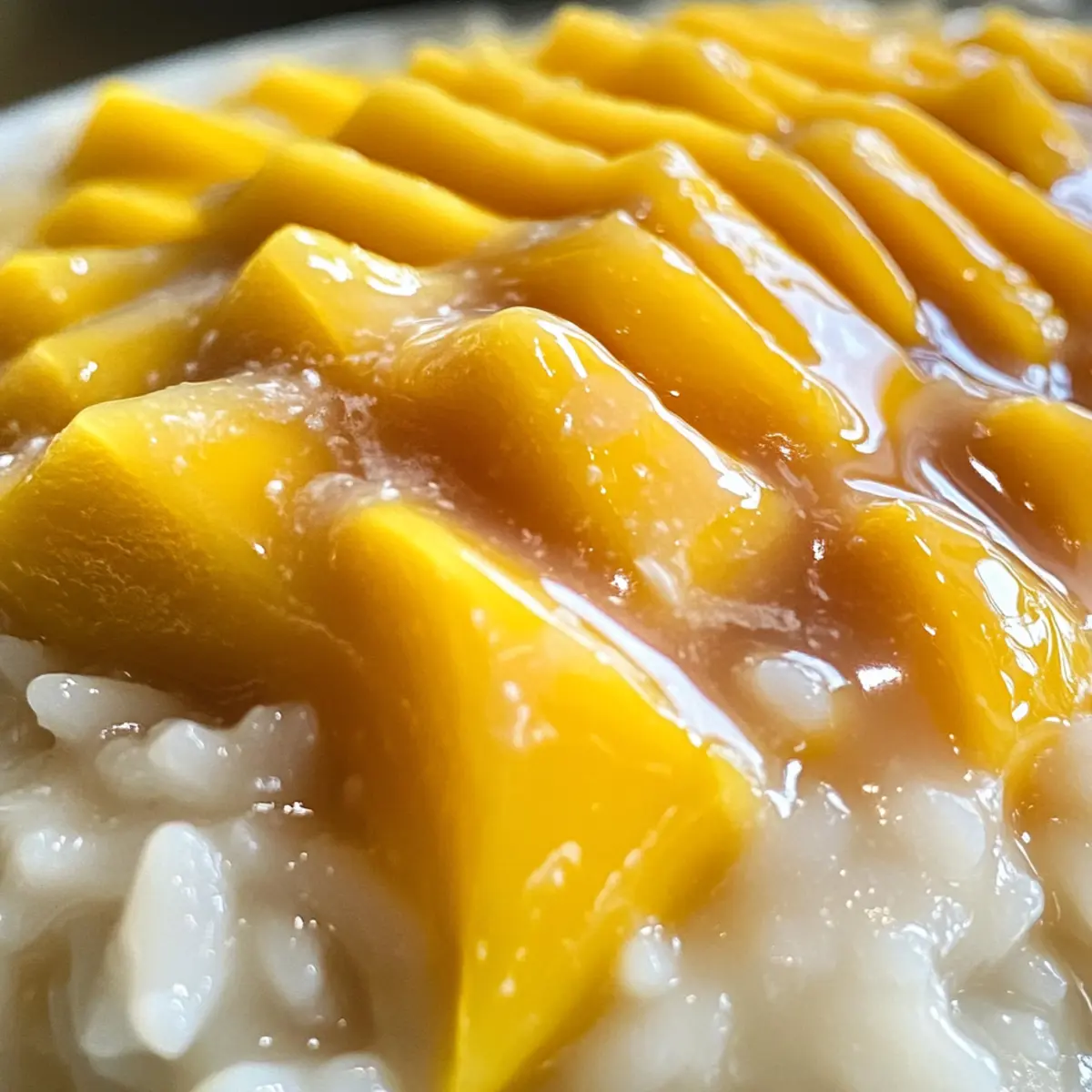
- Serve the sticky rice in a bowl with sliced ripe mangoes. Drizzle additional coconut sauce on top.
Leave a Reply