
The aroma of tonight’s dinner wafts through the air, and my mouth waters in anticipation. Have you ever experienced the perfect blend of spicy and sweet that tingles your taste buds? That’s exactly what you’ll find with these Coconut Gochujang Chicken Meatballs! In just 30 minutes, you can whip up this one-pot wonder that’s not only a time-saver but also a crowd-pleaser. Imagine tender, juicy meatballs simmered in a creamy coconut sauce, balanced with the rich heat of gochujang—definitely a dish that will transport your weeknight meals to new heights! And the best part? It’s easily customizable to suit your spice level and vegetable preferences. Are you ready to elevate your dinner game? Let’s dive in!
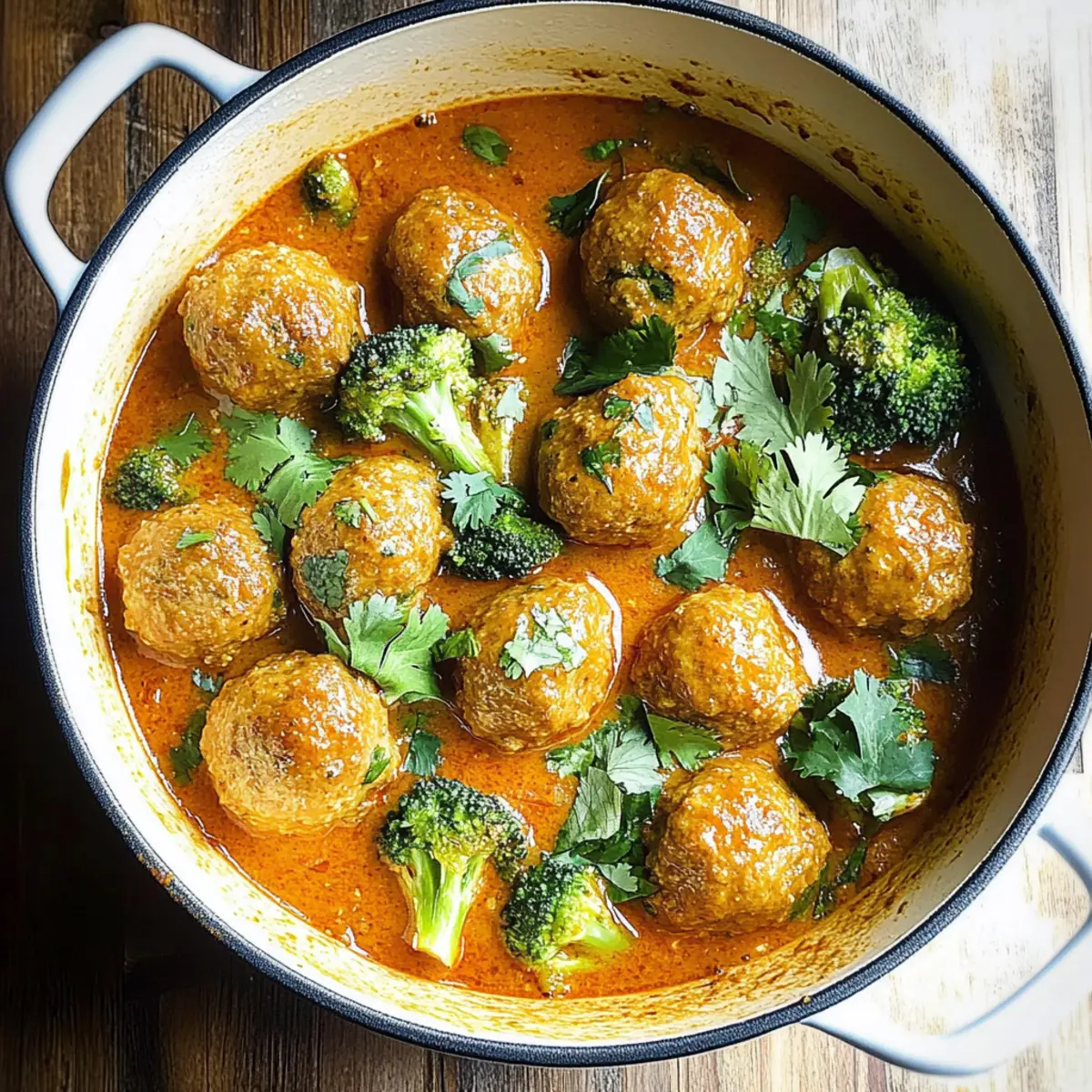
Why Are These Meatballs a Must-Try?
Bursting with Flavor: These Coconut Gochujang Chicken Meatballs deliver a delightful mix of sweet and spicy that will excite your taste buds.
Quick and Easy: Ready in just 30 minutes, this one-pot meal is perfect for a busy weeknight, saving you both time and cleanup!
Versatile Options: Feel free to adjust the heat level with more or less gochujang, and swap in your favorite veggies, like broccoli or even snap peas.
Crowd-Pleaser: This dish is sure to win over family and friends, making it ideal for dinner parties or a cozy weeknight affair.
Healthy Twist: Packed with protein from ground chicken and nutrients from vegetables, you can enjoy this satisfying meal without guilt. Pair it with a refreshing cucumber salad or some steamed rice for a complete dining experience!
If you’re looking for more delicious chicken recipes, don’t miss out on our Garlic Parmesan Chicken or Grilled Chicken Sweet options!
Gochujang Chicken Meatballs Ingredients
For the Meatballs
• Ground Chicken – Provides protein and moisture. Substitution: Ground turkey or pork can be used for a different flavor.
• Low Sodium Soy Sauce – Adds umami flavor. Substitution: Tamari for a gluten-free option.
• Egg Yolk – Binds the meatballs. Note: Only use egg yolk for richness without excess moisture.
• Breadcrumbs – Adds structure to the meatballs. Substitution: Gluten-free breadcrumbs for dietary needs.
• Garlic Powder – Enhances flavor depth. Substitution: Fresh minced garlic can be used (1 teaspoon for each tablespoon).
• Black Pepper – Provides seasoning. Use freshly ground for better flavor.
For the Sauce
• Vegetable Oil – For searing meatballs. Use any neutral oil like canola or grapeseed.
• Unsalted Butter – Adds richness to the sauce. Substitution: Extra virgin olive oil can replace for dairy-free version.
• Garlic Cloves (grated) – Fresh flavor base for the sauce. Note: Use fresh for best aroma.
• Grated Ginger – Provides a warm spice. Substitution: Ground ginger can work in a pinch.
• Salt – Enhances all flavors in the dish. Substitutions: Use less if using salted soy sauce.
• Ground Cumin – Adds depth to the sauce. No direct substitutes; avoid for a milder taste.
• Turmeric – Adds color to the sauce. No direct substitutes; avoid for a milder taste.
• Chicken Broth – Liquid base for the sauce. Substitution: Vegetable broth for vegetarian option.
• Fish Sauce – Adds a layer of complexity and umami. Substitution: Soy sauce if fish sauce is an issue.
• Honey – Balances flavors with a hint of sweetness. Substitution: Maple syrup for vegan option.
• Gochujang Paste – The key element for spiciness and flavor. Adjust to taste for desired spiciness level.
• Coconut Milk – Creamy base for the sauce. Note: Full-fat coconut milk recommended for richness.
• Lime Juice – Adds brightness to the dish. Fresh lime juice yields better flavor than bottled.
For the Vegetables and Garnish
• Broccoli – Accompanies the meatballs for added nutrition. Substitution: Cauliflower, spinach, or other veggies could work too.
• Cilantro Leaves – For fresh garnish. Optional but recommended for flavor contrast.
With these carefully chosen ingredients, your Gochujang Chicken Meatballs will be nothing short of spectacular!
Step‑by‑Step Instructions for Coconut Gochujang Chicken Meatballs
Step 1: Prepare Ingredients
Begin by cutting the broccoli into small, bite-sized pieces and set it aside. Next, grate the garlic cloves and ginger, ensuring they are finely minced for maximum flavor infusion. This preparation will help streamline the cooking process for your Coconut Gochujang Chicken Meatballs, allowing you to easily whip up the sauce and meatballs without any delays.
Step 2: Mix the Meatball Ingredients
In a large mixing bowl, combine the ground chicken, low sodium soy sauce, egg yolk, breadcrumbs, garlic powder, and freshly ground black pepper. Using your hands, gently mix until just combined, being careful not to overwork the mixture. Form the mixture into approximately 20 meatballs, each about the size of two tablespoons, ensuring they are evenly shaped for consistent cooking.
Step 3: Brown the Meatballs
Heat a large nonstick skillet over medium heat and add vegetable oil and unsalted butter. Once the butter has melted and begins to foam, carefully add the meatballs to the skillet. Brown the meatballs for about 8 minutes, turning them frequently to achieve a golden crust on all sides. Once browned, remove them from the skillet and set them aside on a plate.
Step 4: Sauté Aromatics
Lower the heat to medium-low and add the grated ginger and garlic to the leftover oil in the skillet. Sauté for about 1 minute until fragrant, stirring continuously to prevent burning. The delightful aroma of the garlic and ginger will set the foundation for the rich sauce that will envelop your Coconut Gochujang Chicken Meatballs.
Step 5: Add Seasonings
Stir in salt, black pepper, ground cumin, and turmeric, letting the spices toast for another minute. This step enhances the flavors and aromas, creating a robust base for your sauce. You’ll notice the spices becoming fragrant, which signals that they’re ready for the next addition to your savory dish.
Step 6: Deglaze the Skillet
Pour in the chicken broth while scraping the bottom of the skillet to release any browned bits from the meatballs. Bring this mixture to a gentle simmer for about 2 minutes, allowing the broth to reduce slightly. This deglazing step adds depth and richness to the sauce for your Coconut Gochujang Chicken Meatballs.
Step 7: Prepare the Sauce
Add the soy sauce, fish sauce, honey, and gochujang to the skillet, stirring well to combine all the ingredients. Then, pour in the creamy coconut milk and fresh lime juice, bringing the mixture back to a simmer. The vibrant red color from the gochujang and creamy white from the coconut will create an irresistible sauce that perfectly complements the meatballs.
Step 8: Simmer with Meatballs
Return the browned meatballs to the skillet and add the chopped broccoli. Allow everything to simmer together for about 10 minutes, turning the meatballs occasionally. This will ensure that they are thoroughly cooked through and coated in the luscious sauce, allowing all flavors to meld beautifully for your Coconut Gochujang Chicken Meatballs.
Step 9: Serve and Garnish
Once the meatballs are fully cooked and the broccoli is tender, remove the skillet from heat. Serve your Coconut Gochujang Chicken Meatballs hot over a bed of rice, drizzling extra sauce on top. For an extra pop of flavor, garnish with fresh cilantro leaves, adding a vibrant touch to your beautiful dish.
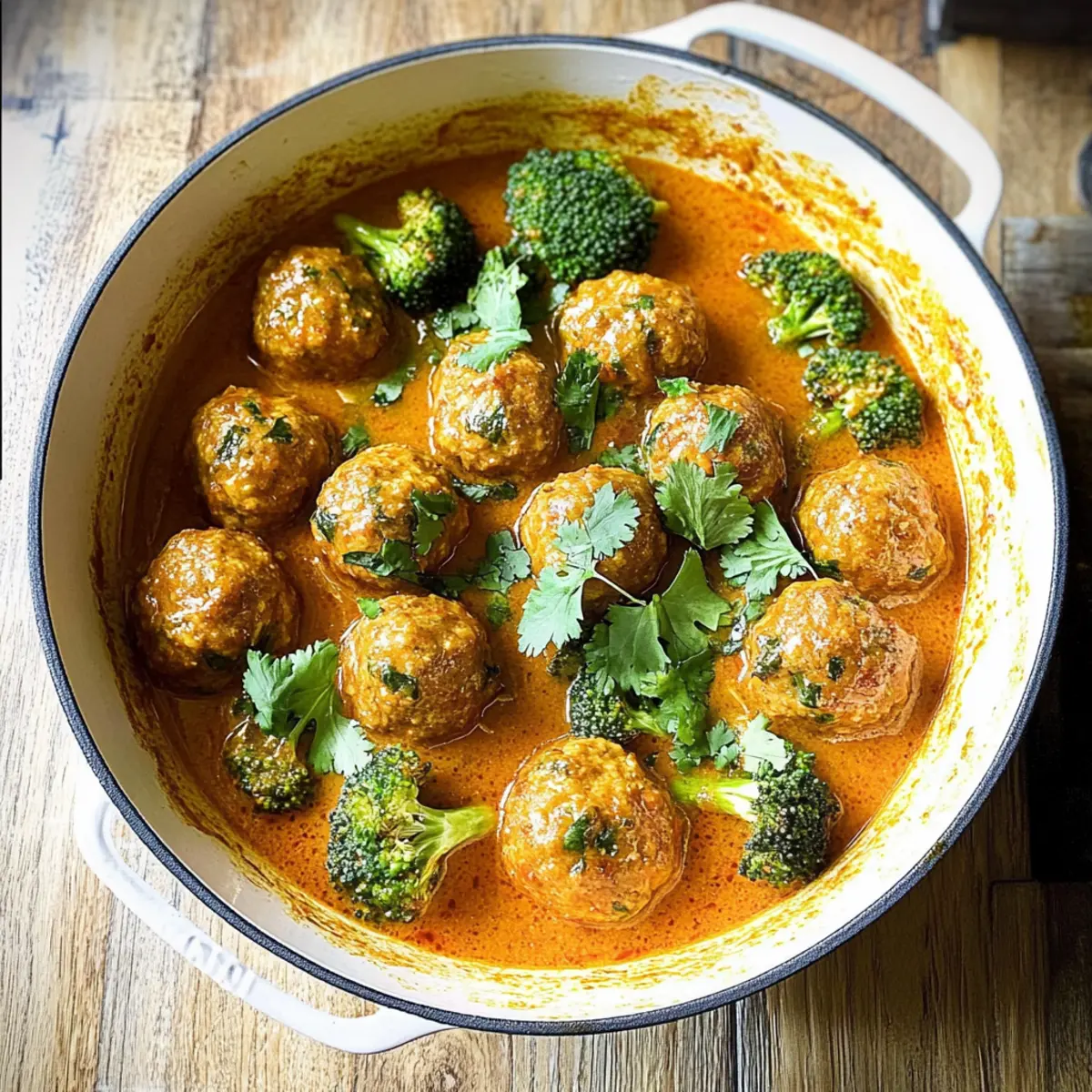
Gochujang Chicken Meatballs Variations
Feel free to explore these delightful twists and swaps for your Gochujang Chicken Meatballs, making them uniquely yours!
-
Vegetarian Option: Replace ground chicken with chickpeas or lentils for a hearty plant-based alternative that’s still packed with flavor. If you’re looking for a wholesome twist, consider cooking the lentils beforehand for the best texture.
-
Gluten-Free: Opt for tamari instead of soy sauce and gluten-free breadcrumbs to ensure everyone can enjoy this dish, no matter their dietary needs.
-
More Heat: Craving extra spice? Add diced jalapeños or a pinch of crushed red pepper flakes along with the gochujang for a fiery kick. The heat will beautifully complement the dish’s creamy coconut base.
-
Coconut-Free: Substitute the coconut milk with cashew cream or unsweetened almond milk for a different creamy texture without the coconut flavor. Just adjust seasoning accordingly to keep the balance.
-
Noise-Free: Dumb down the flavor by using less gochujang and adding a dash of barbecue sauce for a tangy twist that’s still sweet and flavorful. It’s a fun way to introduce a different profile while keeping it delicious!
-
Veggie Boost: Feel free to add in your favorite vegetables like snow peas or bell peppers sautéed with the aromatics for an even heartier dish. By including assorted veggies, you can customize the nutrition and taste in every bite.
-
Crispy Meatballs: For a crunchy texture, bake the meatballs in the oven at 375°F for 20 minutes before adding them to the sauce. This way, you’ll get a satisfying crispy exterior surrounded by all that tasty sauce.
-
Pasta Lover’s Twist: Serve these meatballs over your favorite pasta for a delectable fusion dish that takes a classic Italian staple to a whole new level. Toss everything in the creamy gochujang sauce for a unique meal!
While you are experimenting with these variations, you might also enjoy trying out delectable recipes like Chicken Alfredo Tater or getting inspired by Street Corn Chicken! Your culinary adventure awaits!
Expert Tips for Gochujang Chicken Meatballs
Heat Adjustment: Start with a small amount of gochujang and taste as you go. This allows you to customize the heat level to your preference.
Moisture Control: Be careful not to overmix the meatball mixture. This ensures tender meatballs without the risk of them being tough.
Cooking Temperature: Always brown the meatballs on medium heat for even cooking and to develop a nice crust. An internal temperature of 165°F confirms they are fully cooked.
Versatile Veggies: Feel free to swap broccoli with your favorite vegetables like snap peas or carrots. Just adjust cooking times accordingly for optimal tenderness.
Storage Savvy: Leftovers can be kept in an airtight container for up to 3 days. Reheat gently on the stove to maintain the creamy sauce consistency for your Gochujang Chicken Meatballs.
How to Store and Freeze Gochujang Chicken Meatballs
Fridge: Store leftovers in an airtight container for up to 3 days. This way, you can enjoy the bold flavors of your Gochujang Chicken Meatballs even after the initial meal.
Freezer: For longer storage, freeze meatballs in a single layer on a baking sheet before transferring to a sealed freezer bag. They’ll keep well for up to 3 months.
Reheating: When ready to enjoy, reheat in a skillet over low heat, adding a splash of chicken broth or coconut milk to keep the sauce creamy and avoid drying out.
Defrosting: Thaw frozen meatballs overnight in the fridge before reheating for the best texture and flavor retention.
Make Ahead Options
These Coconut Gochujang Chicken Meatballs are perfect for meal prep enthusiasts looking to save time on busy weeknights! You can prepare the meatballs up to 24 hours in advance by mixing the ground chicken, soy sauce, egg yolk, breadcrumbs, and spices, then shaping them into balls and refrigerating. Additionally, you can whip up the sauce (excluding the coconut milk) up to 3 days in advance and keep it in the refrigerator. To maintain optimal flavor and texture, ensure to store everything in airtight containers. When you’re ready to serve, simply brown the meatballs, prepare the sauce with coconut milk, and simmer together for a delicious, quick meal that’s just as flavorful as if made fresh that day!
What to Serve with Coconut Gochujang Chicken Meatballs
Experience the delightful harmony of flavors with the perfect sides that elevate this dish into a full meal.
- Steamed Jasmine Rice: The soft, fragrant rice absorbs the creamy coconut sauce, balancing the spiciness of the meatballs beautifully.
- Cucumber Salad: A refreshing, crunchy salad with a light tang that contrasts the rich flavors, providing a refreshing palate cleanser.
- Stir-Fried Vegetables: A colorful medley of bell peppers and snap peas offers extra nutrition and vibrant crunch, complementing the meatballs perfectly.
- Sesame Noodles: These mildly flavored noodles drizzled with sesame oil make for an enticing side that pairs well with the sauce’s richness.
- Roasted Sweet Potatoes: Sweet and slightly caramelized, they introduce a lovely sweetness that balances with the spicy-sweet notes of the meatballs.
- Fresh Cilantro Bread: Soft, warm bread infused with cilantro adds a unique twist and perfect for scooping up the delicious sauce.
- Chilled Coconut Water: A light, refreshing drink to quench your thirst and enhance the tropical vibe, complementing the dish’s coconut elements.
- Chocolate Mousse: For dessert, a rich chocolate mousse provides a luscious finish, contrasting the spicy meal with its smooth sweetness.
- Fruit Sorbet: A vibrant and icy sorbet showcases seasonal fruits, offering a light and sweet end to your delectable dinner experience.
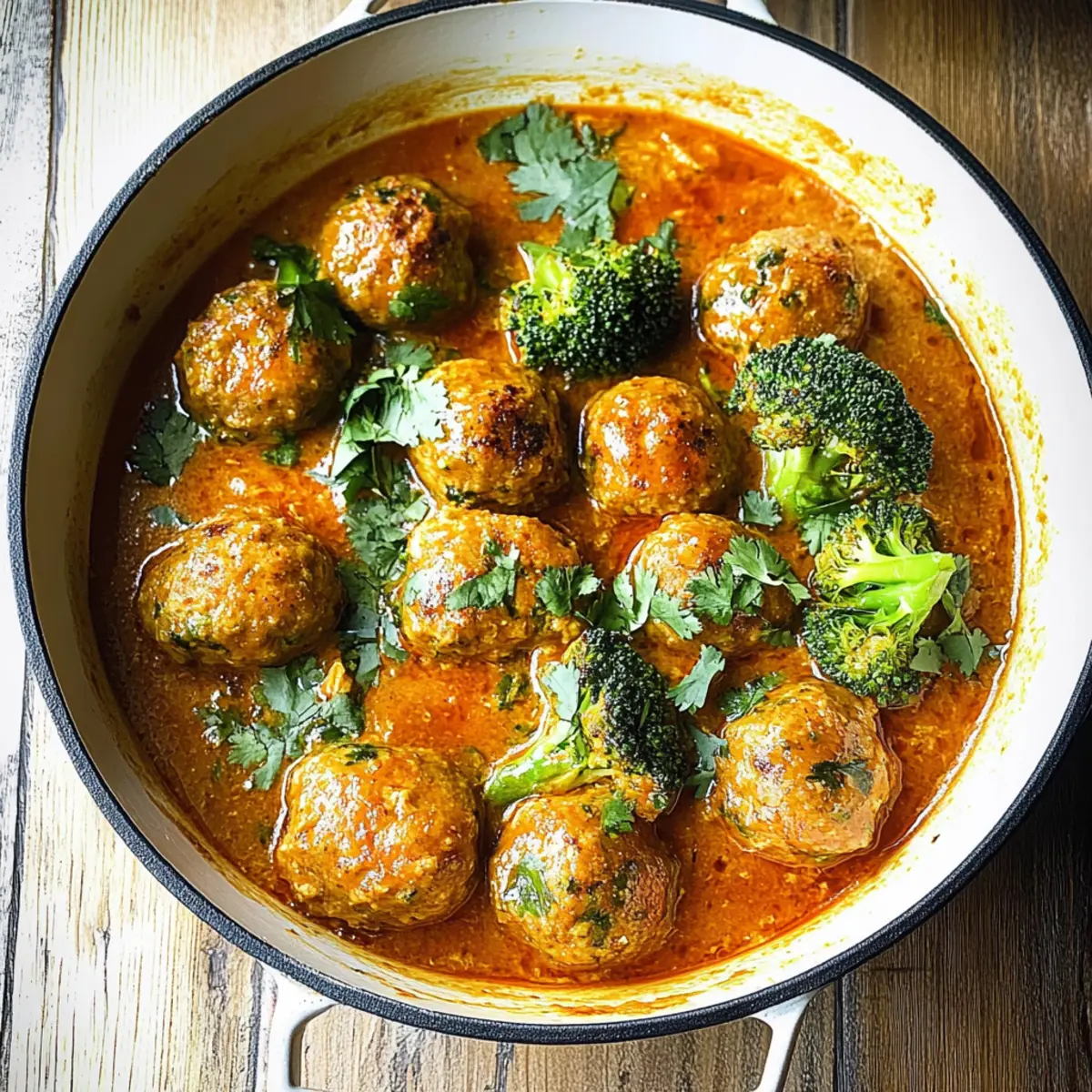
Coconut Gochujang Chicken Meatballs Recipe FAQs
How do I choose the right ground chicken for the meatballs?
Absolutely! When selecting ground chicken, look for options labeled “lean” to ensure moisture without excess fat. You want that perfect balance for juicy meatballs. If you want different flavor profiles, ground turkey or pork are great alternatives as well.
How should I store leftover Coconut Gochujang Chicken Meatballs?
You can store any leftovers in an airtight container in the fridge for up to 3 days. Just cool them down to room temperature before sealing. This way, you can still savor those bold flavors during the week!
Can I freeze these meatballs for later?
Yes, definitely! To freeze, place the cooked meatballs in a single layer on a baking sheet and freeze until solid. Once frozen, transfer them to a sealed freezer bag or container, where they can last for up to 3 months. Just remember to label it with the date!
What if my meatballs are too dry or tough after cooking?
Oh no! If your meatballs end up dry, it might be that they were overmixed or overcooked. To fix future batches, gently mix the meatball mixture and ensure they reach an internal temperature of 165°F without going beyond. If you find your meatballs are still a bit tough, consider adding a splash of broth or coconut milk during reheating to bring back some moisture.
Is this recipe suitable for gluten-free diets?
Very! To make your Coconut Gochujang Chicken Meatballs gluten-free, simply swap regular soy sauce with tamari, a gluten-free alternative. If using breadcrumbs, look for gluten-free options. It’s a fantastic way to enjoy this delicious dish while respecting dietary needs!
Can I adjust the spice level in this recipe?
Absolutely! Start with a smaller amount of gochujang and taste as you go. If you enjoy heat, add more as the sauce simmers. This way, you can customize it to your personal preference and enjoy a dish that suits your taste!
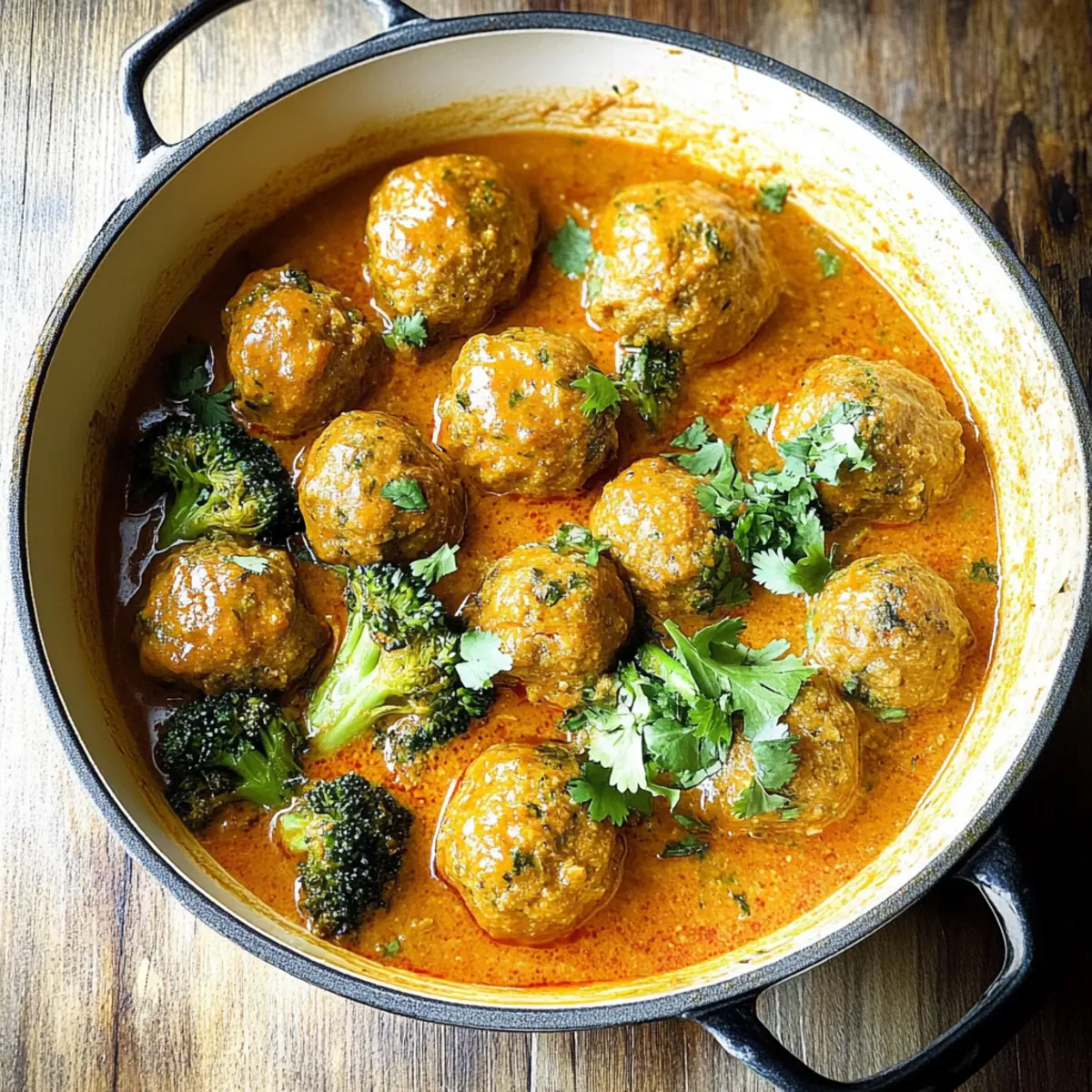
Spicy-Sweet Gochujang Chicken Meatballs Ready in 30 Minutes
Ingredients
Equipment
Method
- Prepare Ingredients: Cut the broccoli into small, bite-sized pieces and set aside. Grate the garlic cloves and ginger, ensuring they are finely minced for maximum flavor infusion.
- Mix the Meatball Ingredients: In a large mixing bowl, combine ground chicken, low sodium soy sauce, egg yolk, breadcrumbs, garlic powder, and black pepper. Mix gently and form into approximately 20 meatballs.
- Brown the Meatballs: Heat a nonstick skillet over medium heat, add vegetable oil and butter. Once melted, add meatballs and brown for about 8 minutes, turning frequently. Remove and set aside.
- Sauté Aromatics: Lower the heat to medium-low, add ginger and garlic to the skillet, and sauté for about 1 minute until fragrant.
- Add Seasonings: Stir in salt, black pepper, cumin, and turmeric, allowing to toast for another minute.
- Deglaze the Skillet: Pour in chicken broth while scraping the bottom of the skillet. Bring to a gentle simmer for about 2 minutes.
- Prepare the Sauce: Add soy sauce, fish sauce, honey, and gochujang to the skillet, stir well, and add coconut milk and lime juice. Bring back to a simmer.
- Simmer with Meatballs: Return the meatballs and add broccoli. Allow to simmer together for about 10 minutes.
- Serve and Garnish: Serve hot over rice, drizzle with extra sauce, and garnish with cilantro leaves.
Leave a Reply