
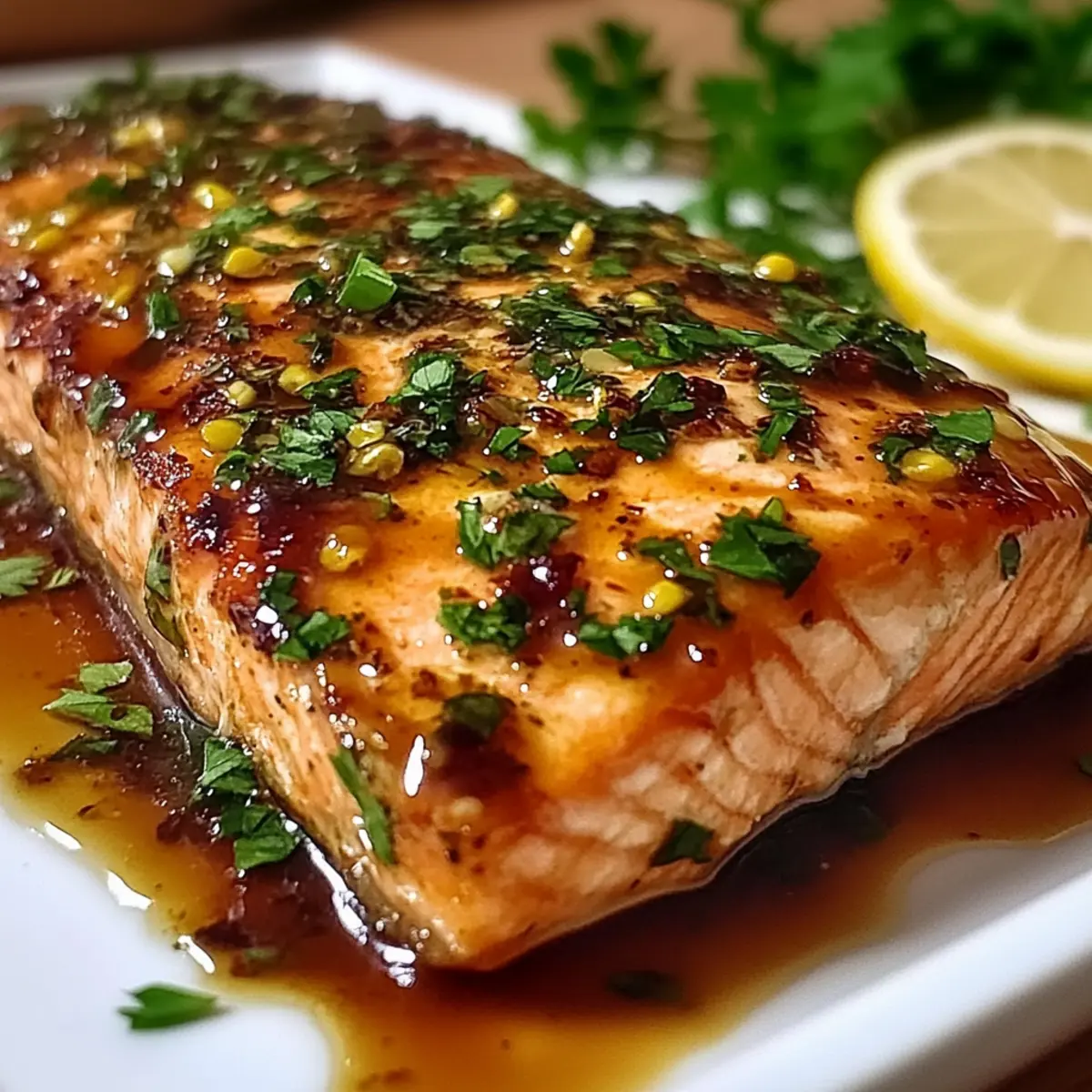
As I stood in my kitchen, the aroma of a sweet-savory glaze filling the air, I couldn’t help but feel transported to a cozy Texas Roadhouse. This Texas Roadhouse Style Baked Salmon is my go-to dish when I want to impress guests or simply treat myself after a long week. With a beautifully caramelized exterior and a tender, flaky interior, this gluten-free recipe strikes the perfect balance of flavor without the fuss. Plus, it’s a delightful pescatarian option that comes together in under 30 minutes, making it ideal for busy weeknights or special gatherings. Are you ready to transform your dining experience with this mouthwatering salmon? Let’s dive in!
Why is this salmon recipe a must-try?
Simplicity at its finest: With only a handful of ingredients, you can create a gourmet dish without breaking a sweat.
Irresistible glaze: The sweet-savory combination not only enhances the salmon but brings a restaurant-quality experience to your dining table.
Flexibility is key: Swap ingredients like using coconut sugar or vegan butter to cater to your dietary needs without losing flavor.
Quick & easy: Prepare a stunning meal in under 30 minutes, perfect for busy weeknights or last-minute gatherings.
Crowd-pleasing appeal: Impress your family or guests with a dish that looks and tastes amazing. Perfect alongside sides like roasted asparagus or a fresh salad!
Texas Roadhouse Salmon Ingredients
Unlock the secret to this irresistible dish!
For the Salmon
- Salmon fillets (4 x 6 oz) – The star of the show; ensures a tender, flaky texture that’s hard to resist.
For the Sweet-Savory Glaze
- Brown sugar (1/4 cup) – Brings essential sweetness and aids in caramelization; coconut sugar works as a healthier substitute.
- Soy sauce (2 tablespoons) – Adds that savory umami depth; consider Worcestershire sauce or coconut aminos for a gluten-free alternative.
- Butter (2 tablespoons, melted) – Infuses rich flavor; opt for vegan butter if you’re after a dairy-free option.
- Honey (1 tablespoon) – An extra touch of sweetness; maple syrup is a perfect swap for a vegan-friendly version.
- Garlic powder (1 teaspoon) – Elevates flavor profiles; fresh garlic is a welcomed alternative if you prefer.
- Black pepper (1/2 teaspoon) – Introduces subtle heat and balances the flavors.
- Paprika (1/4 teaspoon) – Adds color and mild spice; smoked paprika can enhance the dish further.
For Garnish
- Fresh parsley (2 tablespoons, chopped) – Adds a vibrant touch and freshness; consider fresh dill for a unique twist.
Step‑by‑Step Instructions for Texas Roadhouse Salmon
Step 1: Preheat and Prepare
Preheat your oven to 400°F (200°C) and line a baking sheet with parchment paper to prevent sticking. This will ensure even cooking for the Texas Roadhouse Salmon. While the oven is heating up, gather your ingredients, making sure to have your salmon fillets ready to go.
Step 2: Pat the Salmon Dry
Take your salmon fillets and gently pat them dry with paper towels. This step is key for achieving a beautifully caramelized exterior. By removing excess moisture, the salmon will cook evenly and absorb the flavors of the glaze more effectively.
Step 3: Whisk the Glaze
In a small bowl, combine brown sugar, soy sauce, melted butter, honey, garlic powder, black pepper, and paprika. Whisk these ingredients together until the mixture is smooth and well combined. This sweet-savory glaze will coat your Texas Roadhouse Salmon, creating a beautiful caramelization as it bakes.
Step 4: Coat the Salmon
Place the prepared salmon fillets on the lined baking sheet. Use a brush to generously apply half of the glaze over the top and sides of the fillets. Make sure each piece is well-coated to maximize flavor as it bakes in the oven.
Step 5: Bake the First Time
Slide the baking sheet into the preheated oven and bake the salmon for 8 minutes. Keep an eye on it; the salmon should start to look opaque and begin to flake around the edges. This is the initial step to achieve that tender, moist texture.
Step 6: Brush with Remaining Glaze
After 8 minutes, carefully remove the baking sheet from the oven. Brush the remaining glaze over the salmon fillets for an extra layer of flavor and shine. This will enhance the sweet-savory profile of your Texas Roadhouse Salmon as it bakes further.
Step 7: Finish Baking
Return the salmon to the oven and bake for an additional 8-10 minutes. The salmon is done when it flakes easily with a fork and reaches an internal temperature of 145°F (63°C). This ensures that it is thoroughly cooked and maintains its moist, tender texture.
Step 8: Rest and Garnish
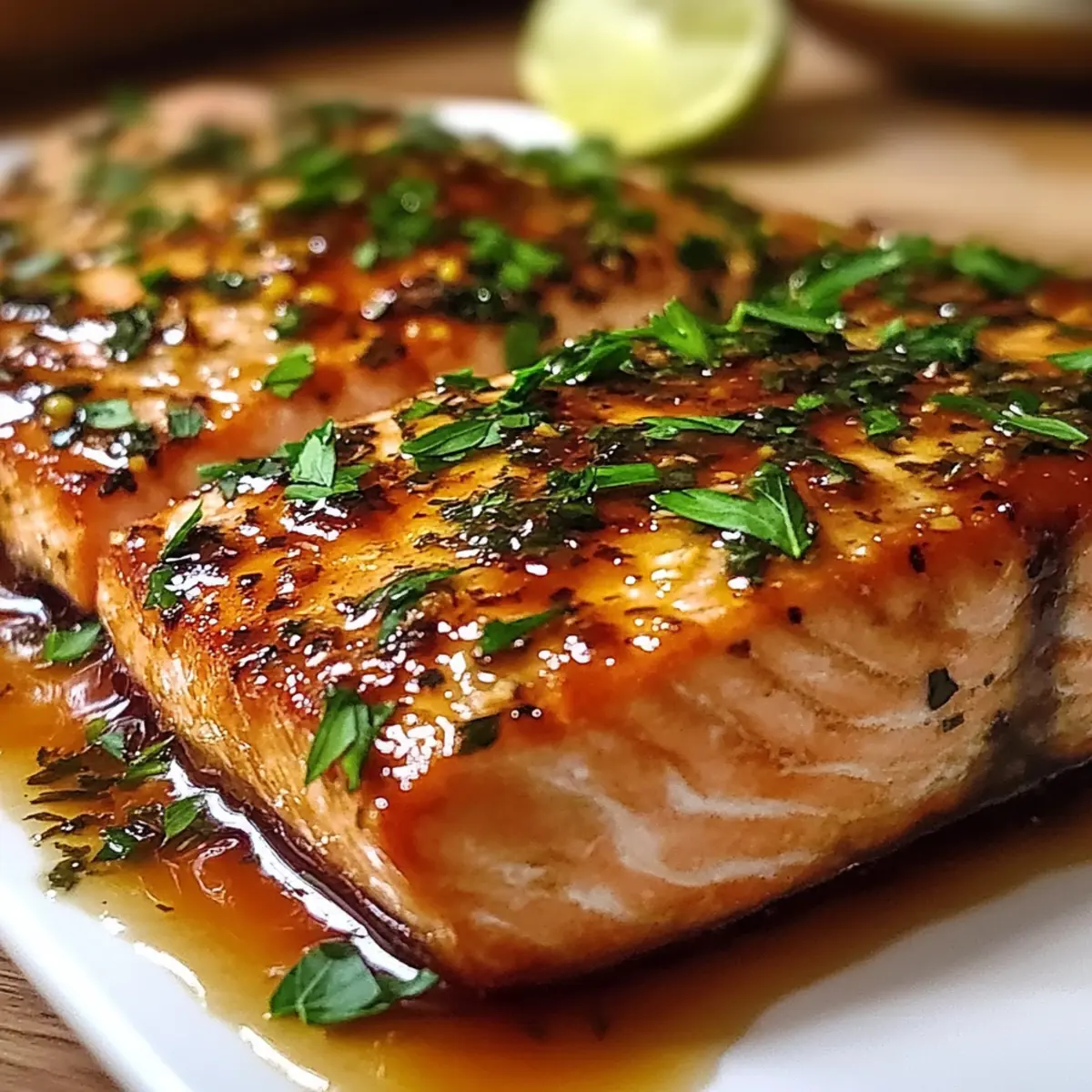
Once baked, remove the salmon from the oven and let it rest for about 2 minutes. This allows the juices to settle, enhancing the flavor. Finally, garnish with freshly chopped parsley for a touch of color and freshness, and your Texas Roadhouse Salmon is ready to serve hot!
Tips for the Best Texas Roadhouse Salmon
-
Glaze Mastery: Brush the glaze on during both baking stages to achieve maximum flavor and that gorgeous shine you associate with restaurant-quality seafood.
-
Dry it Right: Always pat your salmon dry before applying the glaze. This step is crucial for optimal caramelization, avoiding a soggy texture.
-
Cook to Perfection: Monitor the salmon closely during the last minutes of baking. It should flake easily when done, reaching an internal temperature of 145°F for safety and taste.
-
Experiment with Flavor: Feel free to add a pinch of red pepper flakes to the glaze to introduce a hint of heat, or substitute fresh parsley with dill for a fresh twist.
-
Grilling Option: If you’re looking for a different cooking method, grill the salmon over medium heat for 4-5 minutes per side while applying the glaze, making it delightfully smoky.
What to Serve with Texas Roadhouse Style Baked Salmon
As you savor the sweet-savory notes of this delicious salmon, let’s explore the perfect accompaniments to elevate your dining experience.
-
Garlic Mashed Potatoes: Creamy and buttery, these mashed potatoes provide a comforting texture that pairs beautifully with the flaky salmon.
-
Roasted Asparagus: Crisp-tender asparagus drizzled with olive oil enhances the meal’s freshness while adding a vibrant pop of color.
-
Wild Rice Pilaf: Earthy wild rice brings a nutty flavor, providing a delightful contrast to the salmon’s sweetness and a satisfying bite.
-
Caesar Salad: Crisp romaine, crunchy croutons, and tangy dressing create a refreshing balance to the rich glaze of the salmon.
-
Coleslaw: A crunchy, tangy slaw adds a refreshing element and complements the sweet-savory profile of the fish.
-
Zesty Lemonade: A cool glass of zesty lemonade brightens the meal, balancing the rich flavors with a hint of citrusy freshness.
-
Chocolate Mousse: Finish your meal with a rich chocolate mousse, where the silky texture and deep flavor provide a luxurious endnote.
-
Chardonnay: Pair your salmon with a glass of chilled Chardonnay to accentuate its flavors, creating a heavenly dining experience.
How to Store and Freeze Texas Roadhouse Salmon
Fridge: Store leftover salmon in an airtight container in the fridge for up to 3 days. Reheat in the oven at 350°F (175°C) for about 10-15 minutes until warmed through.
Freezer: Wrap salmon tightly in plastic wrap and then in aluminum foil. Freeze for up to 3 months. Thaw overnight in the fridge before reheating.
Reheating: For best results, reheat baked salmon in the oven to maintain its texture. Microwaving can cause it to dry out, so it’s best avoided.
Glaze Storage: The sweet-savory glaze can be made ahead and stored in the refrigerator for up to 2 days, ready to be brushed on your Texas Roadhouse Salmon.
Texas Roadhouse Salmon Variations & Substitutions
Feel free to get creative with this recipe, using your favorite flavors and dietary needs!
-
Herb Swap: Replace parsley with fresh dill for a lighter, herbaceous touch that brightens the dish.
-
Heat Up: Stir in a pinch of red pepper flakes into the glaze for a delightful spicy kick that complements the sweetness.
-
Vegan Option: Use coconut oil instead of butter and swap honey for maple syrup to keep the flavor intact while accommodating a vegan diet.
-
Citrus Zest: Add lemon or orange zest to the glaze for a fresh, zesty brightness that pairs beautifully with the salmon.
-
Gluten-Free: Replace soy sauce with coconut aminos or Worcestershire sauce to ensure this dish remains gluten-free without compromising on flavor.
-
Coconut Sugar: Swap brown sugar for coconut sugar for a healthier alternative that maintains a rich sweetness.
-
Smoky Flavor: Incorporate smoked paprika instead of regular paprika to deepen the flavor profile and add an exciting smoky depth.
-
Side Pairing: For a complete meal, consider pairing this salmon with sides like roasted asparagus or a refreshing salad, creating a delicious spread that everyone will love!
Make Ahead Options
These Texas Roadhouse Style Baked Salmon fillets are perfect for meal prep enthusiasts! You can whisk together the sweet-savory glaze and refrigerate it up to 3 days in advance, keeping flavors vibrant and ready to go. Additionally, the salmon can be marinated in the glaze for up to 24 hours; simply cover it well with plastic wrap to lock in moisture and prevent drying out. When it’s time to serve, preheat your oven and bake the salmon straight from the fridge, brushing with any remaining glaze midway through cooking. This allows for a delicious, hassle-free dinner that’s just as delightful as the freshly made version!
Texas Roadhouse Style Baked Salmon Recipe FAQs
How do I select the right salmon for this recipe?
Absolutely! When choosing salmon, look for fillets that have a bright, vibrant color with minimal dark spots or discoloration. The flesh should feel firm and moist but not slimy. Try to opt for wild-caught salmon if possible, as it often has a better flavor profile compared to farmed varieties.
What’s the best way to store leftovers of baked salmon?
You can store leftover Texas Roadhouse Salmon in an airtight container in the refrigerator for up to 3 days. To reheat, place the salmon in a preheated oven at 350°F (175°C) for 10-15 minutes. This gentle reheating will help maintain its flaky texture and vibrant flavors.
Can I freeze baked salmon, and if so, how?
Absolutely! To freeze your Texas Roadhouse Salmon, start by letting it cool completely. Then, wrap each fillet tightly in plastic wrap, followed by aluminum foil to prevent freezer burn. You can freeze it for up to 3 months. When you’re ready to enjoy it, thaw the salmon overnight in the fridge, and reheat it gently in the oven for the best results.
What should I do if my salmon isn’t caramelizing properly?
Very! If your salmon isn’t caramelizing as expected, make sure it is patted dry before applying the glaze. Excess moisture can hinder caramelization. Another tip is to ensure your oven is fully preheated; this helps create a nice crust quickly. If your glaze appears too thick, you can add a few drops of water to thin it out slightly for better absorption.
Is this recipe safe for people with gluten allergies?
Great question! Yes, this Texas Roadhouse Style Baked Salmon is indeed gluten-free when you use gluten-free options for soy sauce, such as coconut aminos or tamari. Always double-check any packaged ingredients you use to ensure they meet gluten-free standards, especially if cooking for someone with sensitivities.
Can I make this dish in advance for guests?
Of course! You can prepare the glaze up to 2 days in advance and store it in the refrigerator. Just remember to coat your salmon fillets right before baking to lock in that delightful flavor. You can even bake the salmon in advance and serve it at room temperature, making for a beautiful and stress-free gathering!
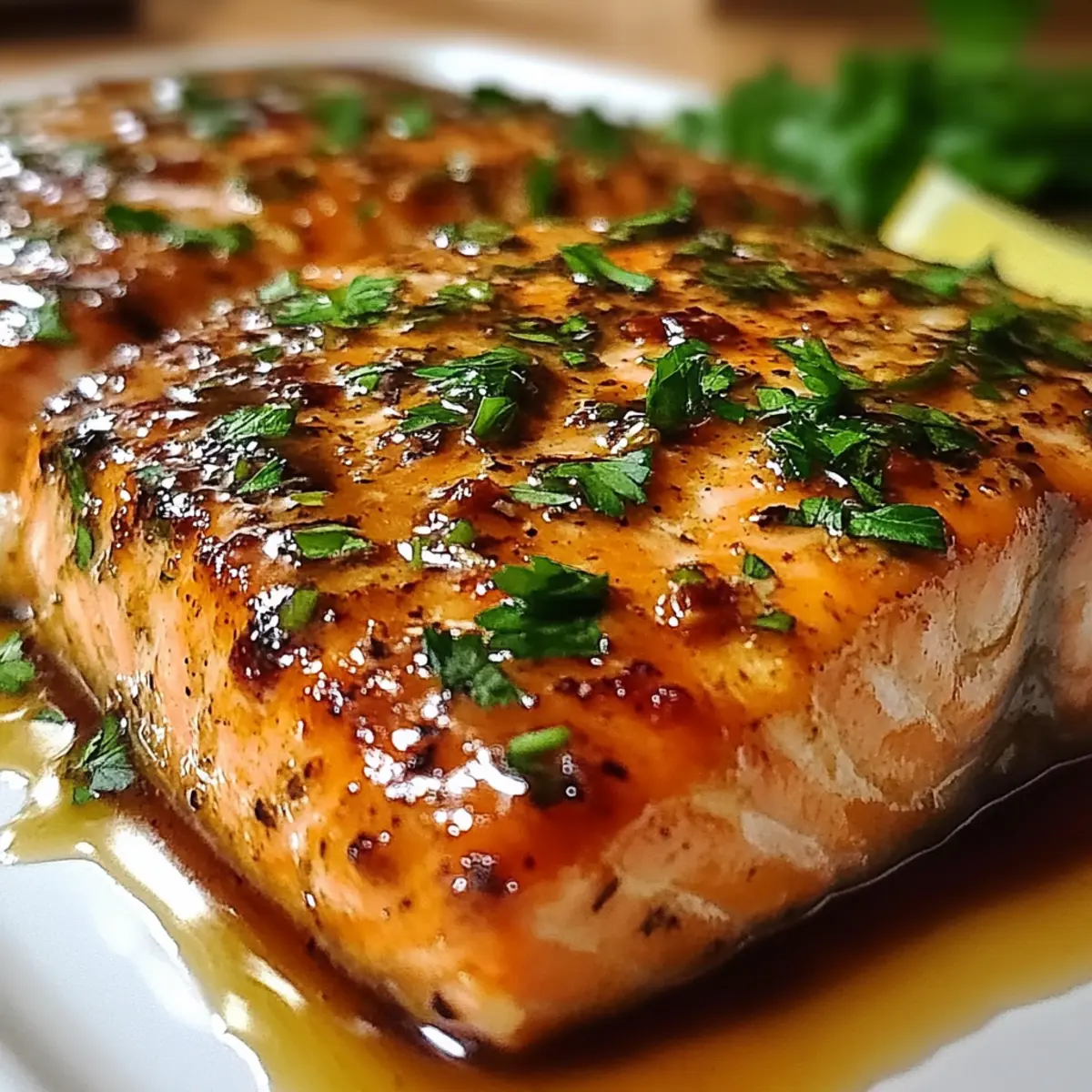
Texas Roadhouse Salmon: Sweet-Savory Delight at Home
Ingredients
Equipment
Method
- Preheat your oven to 400°F (200°C) and line a baking sheet with parchment paper to prevent sticking.
- Pat the salmon fillets dry with paper towels to achieve a beautifully caramelized exterior.
- In a small bowl, combine brown sugar, soy sauce, melted butter, honey, garlic powder, black pepper, and paprika. Whisk until smooth.
- Place the salmon fillets on the lined baking sheet and apply half of the glaze on top and sides.
- Bake the salmon for 8 minutes. It should look opaque and start to flake.
- After 8 minutes, brush the remaining glaze over the salmon fillets.
- Return the salmon to the oven and bake for an additional 8-10 minutes until it flakes easily and reaches 145°F (63°C).
- Let the salmon rest for about 2 minutes, then garnish with freshly chopped parsley.
Leave a Reply