
As I watched the steam rise from my stovetop, the anticipation of the soft, puffy Korean Volcano Steamed Egg (Gyeran Jjim) drew me in like a culinary magic trick. This dish, known for its delightful wobble and subtle sizzle, takes less than 15 minutes from start to finish and requires no stirring—making it a breeze to whip up for any meal. Its creamy texture resembles a delicate soufflé, serving as a perfect banchan to complement your Korean feast or a comforting side dish on its own. Not only is it a crowd-pleaser that showcases the beauty of simplicity, but it also allows for endless variations to suit your taste buds. Are you ready to embark on this culinary adventure and transform your next meal with a simple yet stunning recipe?
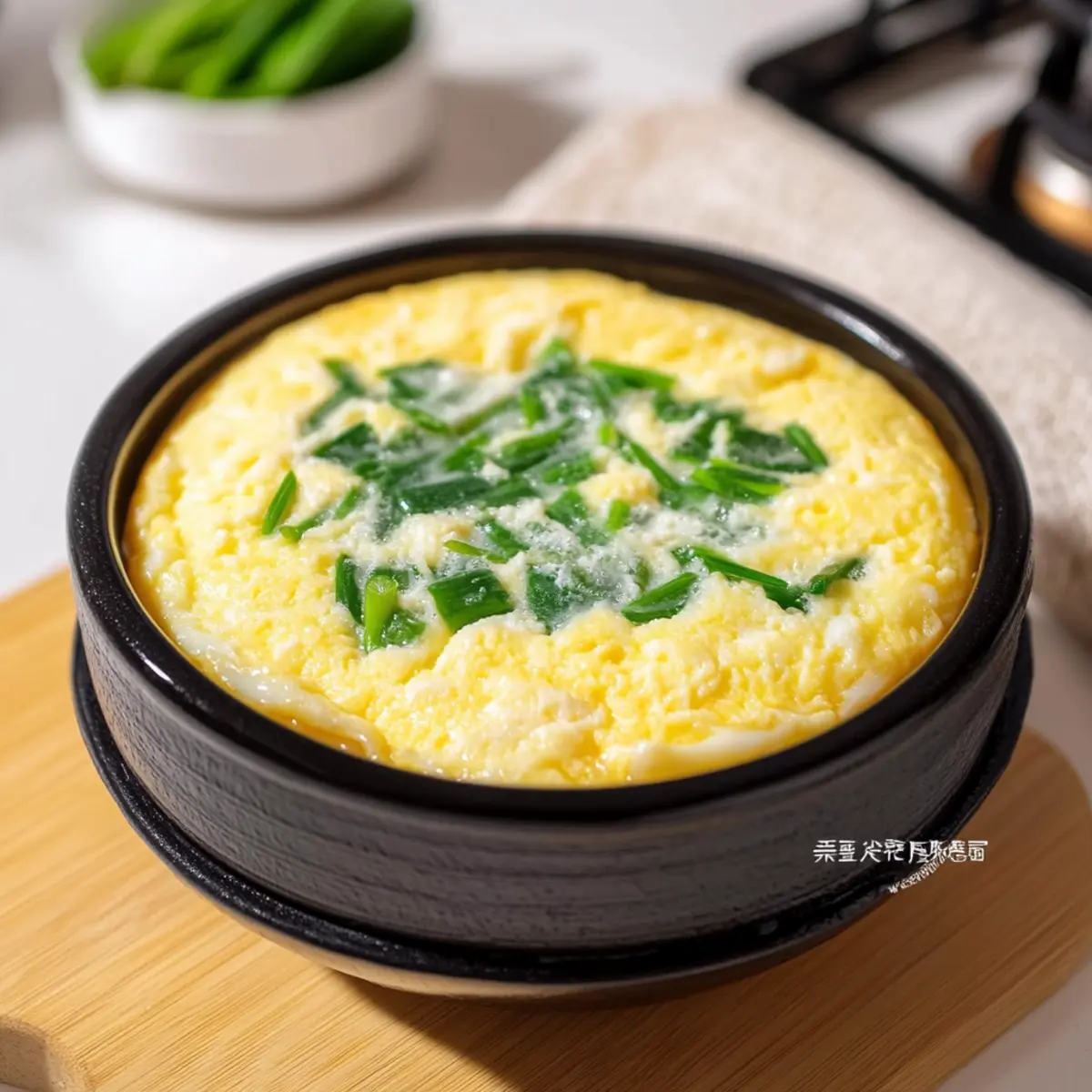
Why is Korean Volcano Steamed Egg special?
Effortless Preparation: This dish requires no stirring, allowing you to focus on enjoying your time in the kitchen.
Quick Cooking Time: In under 15 minutes, you can create a fluffy delight that impresses everyone.
Versatile Variations: Experiment with different stocks or toppings like crab meat for a heartier twist.
Unique Serving Experience: The jiggly appearance and subtle sizzle make it a fun culinary experience.
Perfect Pairing: Serve it alongside dishes like Roasted Chickpeas Veggie or incorporate it into a meal with Sausage Veggies Skillet for a complete feast.
Korean Volcano Steamed Egg Ingredients
• Discover the essential components for the perfect Korean Volcano Steamed Egg.
For the Egg Mixture
- Large Eggs – These provide the base of your fluffy steamed egg, bringing essential protein and structure.
- Water or Stock – Using stock adds extra flavor, so feel free to substitute with chicken or vegetable for a richer custard.
- Kosher Salt – Enhances the flavor; if you have fine salt on hand, use a bit less to avoid over-salting.
- Green Onion (optional) – Adds a pop of freshness; however, you can omit it for a simpler taste.
For Greasing the Bowl
- Toasted Sesame Oil – This fragrant oil greases the pot while contributing a delightful nutty aroma to the egg dish.
Step‑by‑Step Instructions for Korean Volcano Steamed Egg
Step 1: Prepare the Egg Mixture
In a medium bowl, crack open large eggs and beat them gently until the yolks and whites are fully combined, forming a smooth mixture. Gradually add water or your choice of stock, along with kosher salt, mixing until evenly dispersed. If using green onions for added freshness, finely chop and incorporate them now. This step sets the flavorful base for your Korean Volcano Steamed Egg.
Step 2: Grease the Bowl
Take a 2-cup Korean earthenware bowl and pour a generous amount of toasted sesame oil inside. Use a paper towel or your fingers to coat the bottom and sides evenly, ensuring the bowl is well-greased to prevent sticking. This fragrant oil not only adds flavor but also enhances the overall texture of your steamed eggs, making them easy to serve and enjoy.
Step 3: Pour in the Egg Mixture
Carefully pour the prepared egg mixture into the greased earthenware bowl, filling it about three-quarters full to allow room for expansion during cooking. The mixture should settle easily, and you should see bubbles forming at the surface. This step is essential for achieving the fluffy, custardy texture that defines your Korean Volcano Steamed Egg.
Step 4: Start Steaming
Place the bowl on your stovetop over medium-low heat and cover it with a heatproof bowl or lid. Set a timer for 10 minutes, allowing the gentle steam to cook the egg mixture gradually. As it heats, watch for steam to rise—this is a sign that your Korean Volcano Steamed Egg is coming to life, creating that signature fluffy texture.
Step 5: Check for Readiness
When the timer goes off, carefully lift the lid to check the doneness of the egg. The mixture should have risen above the rim and appear fluffy and slightly wobbly. You may see a steady stream of steam escaping, indicating that it’s cooked but still retains that delicate jiggle. If needed, you can let it cook for an additional minute or two, but watch closely!
Step 6: Serve Immediately
Once cooked to perfection, turn off the heat and carefully remove the bowl from the stovetop. Place the egg dish on a heatproof coaster to protect your table. The Korean Volcano Steamed Egg is best enjoyed fresh, as it retains its soft, creamy consistency, so serve it immediately to savor the lovely flavor and texture!
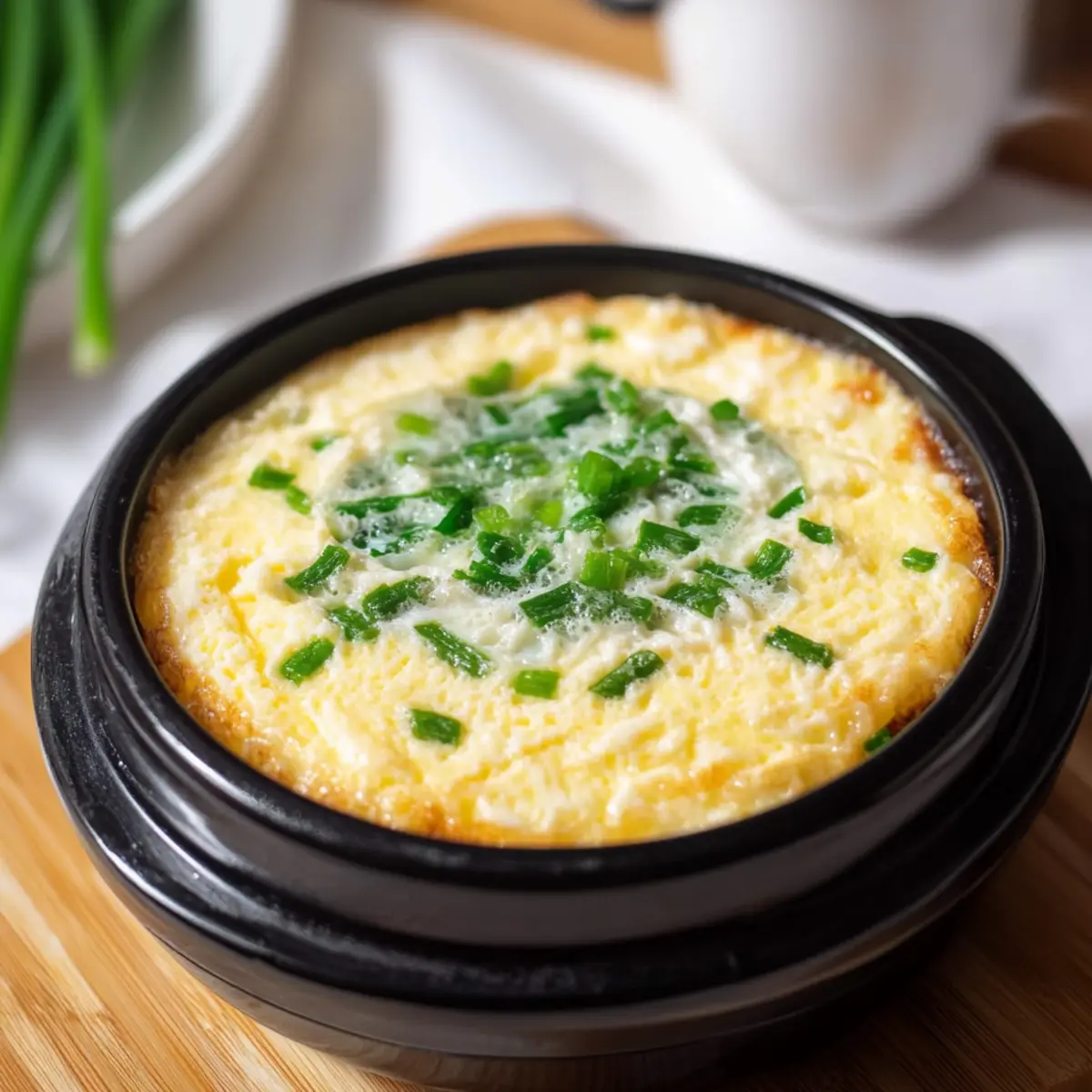
What to Serve with Korean Volcano Steamed Egg
Elevate your culinary experience by pairing this fluffy delight with complementary dishes that sing in harmony.
- Korean Purple Rice: This nutty and slightly sweet rice serves as a wholesome base, balancing the fluffy texture of the eggs beautifully.
- Perfectly Grilled Bulgogi: The savory, marinated beef brings a mouthwatering richness, providing a satisfying contrast to the gentle flavors of the steamed egg.
- Sautéed Spinach Salad: Fresh and vibrant, this salad adds a burst of color and crunch, which brightens your meal with its refreshing taste.
- Spicy Kimchi: The tangy kick of kimchi not only enhances the flavor profile but also pairs well with the creamy texture of the egg, bringing heat and depth.
- Crispy Seaweed Snacks: Crispy, salty seaweed offers a fun texture contrast that makes for delightful bites alongside the tender egg dish.
- Korean Pickled Radishes: These zesty, crunchy radishes cleanse the palate and add a burst of brightness, balancing the richness of the egg perfectly.
- Cold Soba Noodles: Chilled buckwheat noodles provide a different texture, served simply with a drizzle of soy sauce for a light accompaniment.
- Chilled Soju or Makgeolli: Enjoy a glass of traditional Korean rice wine to elevate the meal, enhancing gourmet flavors while adding an authentic touch to your dining experience.
- Sesame Cookies: For dessert, these delightful little bites offer a sweet, nutty crunch that rounds out the meal, leaving everyone content and happy!
How to Store and Freeze Korean Volcano Steamed Egg
Fridge: Enjoy the Korean Volcano Steamed Egg right after cooking for the best texture. If you have leftovers, store them in an airtight container in the fridge for up to 1 day.
Freezer: Freezing is not recommended, as the delicate texture and fluffiness of the steamed egg may become compromised upon thawing.
Reheating: This dish is best enjoyed fresh, as reheating can alter the texture and taste, making it less enjoyable.
Expert Tips for Korean Volcano Steamed Egg
- Pot Choice Matters: Use a Korean earthenware pot for even cooking; it retains heat better than regular pots.
- Adjust Cooking Time: If using an electric stove, extend cooking time up to 20 minutes as they heat slower.
- No Reheating: Korean Volcano Steamed Egg is best served fresh; reheating can ruin its delicate texture.
- Watch for Steam: A steady stream of steam indicates your dish is cooking well; avoid opening the lid too early.
- Flavor Boost: For richer taste, substitute water with chicken or vegetable stock to enhance the custard-like texture.
Korean Volcano Steamed Egg Variations
Feel free to explore creative twists on this delightful dish that will dazzle your taste buds.
-
Stock Swap: Substitute water with chicken or vegetable stock for a richer flavor. The added depth will make every bite a delight.
-
Green Onion Infusion: For a pop of freshness, add extra chopped green onions to the mixture. They’ll bring a burst of color and flavor to your creation.
-
Cheesy Delight: Stir in some grated cheese, like cheddar or mozzarella, into the egg mixture. Cheese melts beautifully, adding a creamy texture and savoriness to each spoonful.
-
Crab Surprise: Incorporate fresh or canned crab meat for a luxurious twist. The seafood enhances the flavor profile, elevating the dish to new heights.
-
Spice it Up: For some heat, add a dash of gochugaru (Korean red pepper flakes) or a sprinkle of chili oil to the mix. This can add just the right kick without overpowering the dish.
-
Herb Heaven: Experiment with fresh herbs like dill or cilantro for a fragrant boost. They can provide a refreshing twist that compliments the savory egg beautifully.
-
Earthy Mushrooms: Sautéed mushrooms can be incorporated for added umami flavor and a hearty texture. Shiitake or button mushrooms work wonderfully for this addition.
-
Nutty Finish: Drizzle a touch of sesame oil right before serving to amplify the nutty notes. This final touch enhances the overall aroma and flavor of the dish.
For a nutritious meal, pair your Korean Volcano Steamed Egg with sides like Roasted Chickpeas Veggie or add it alongside some protein-rich options like the Sausage Veggies Skillet for a complete feast. Enjoy your culinary adventure!
Make Ahead Options
Korean Volcano Steamed Egg (Gyeran Jjim) is a fantastic candidate for meal prep! You can prepare the egg mixture (made with eggs, water or stock, salt, and green onions) up to 24 hours in advance by whisking everything together and storing it in an airtight container in the refrigerator. This saves time on busy weeknights and allows the flavors to meld. To cook, simply grease your earthenware bowl with sesame oil, pour in your prepped mixture, and steam as directed. Remember, for the best quality, it’s crucial to serve it fresh after cooking, as reheating can alter the delicate texture. Enjoy effortless deliciousness with this easy make-ahead meal!
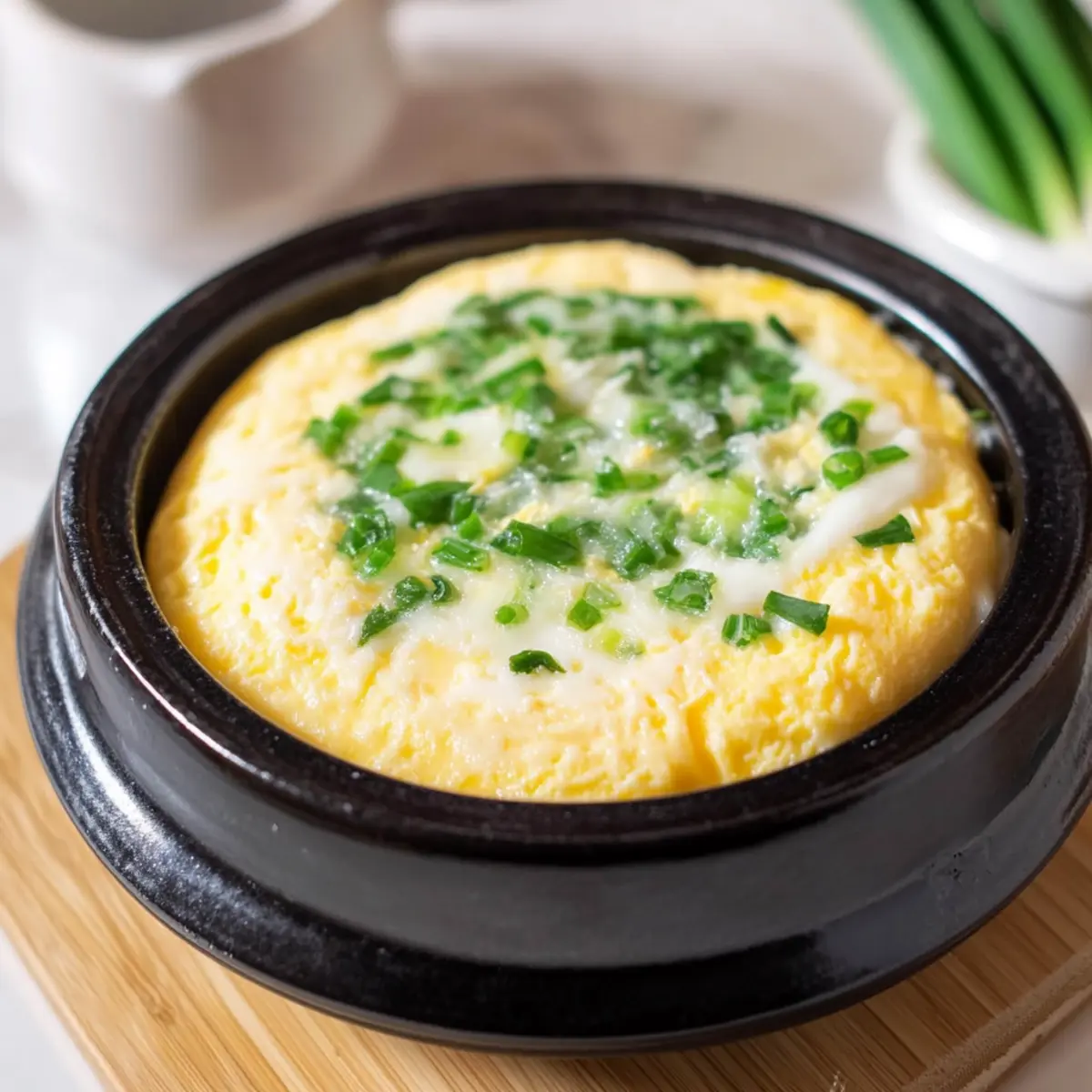
Korean Volcano Steamed Egg Recipe FAQs
What kind of eggs should I use for Korean Volcano Steamed Egg?
Absolutely! Use large eggs for the best results, as they provide the necessary structure and protein to achieve the fluffy texture. Make sure they are fresh; check the expiration date on the package for optimal flavor.
How should I store leftover Korean Volcano Steamed Egg?
If you have any leftovers (though they’re best enjoyed fresh), store them in an airtight container in the fridge for up to 1 day. Keep in mind that the texture may change when stored, so it’s ideal to consume them immediately.
Can I freeze Korean Volcano Steamed Egg?
No, it’s not recommended to freeze this dish. Freezing can significantly compromise the delicate texture and fluffiness, resulting in a rubbery consistency once thawed. It’s truly best when freshly made!
What should I do if my Korean Volcano Steamed Egg isn’t cooking properly?
If you find that it’s not cooking as expected, here are a few troubleshooting tips: First, ensure you’re using medium-low heat and that the pot is well greased. If using an electric stove, you may need to increase cooking time by up to 20 minutes. Always check for a steady stream of steam, as this indicates cooking is happening properly. Don’t hesitate to let it cook an extra minute or two if you notice it hasn’t risen sufficiently.
Are there any dietary considerations with this recipe?
Yes! This dish is simply made with eggs, making it suitable for those without egg allergies. However, it does contain sesame oil, so people with sesame allergies should avoid it or substitute the oil. This recipe is not suitable for pets, as the ingredients may not be safe for them to consume.
Can I make variations of the Korean Volcano Steamed Egg?
Very! You can easily substitute the water with chicken or vegetable stock for additional flavor. Additionally, consider adding toppings such as crab meat or cheese to create heartier variations. Don’t be afraid to get creative and tailor it to your taste!
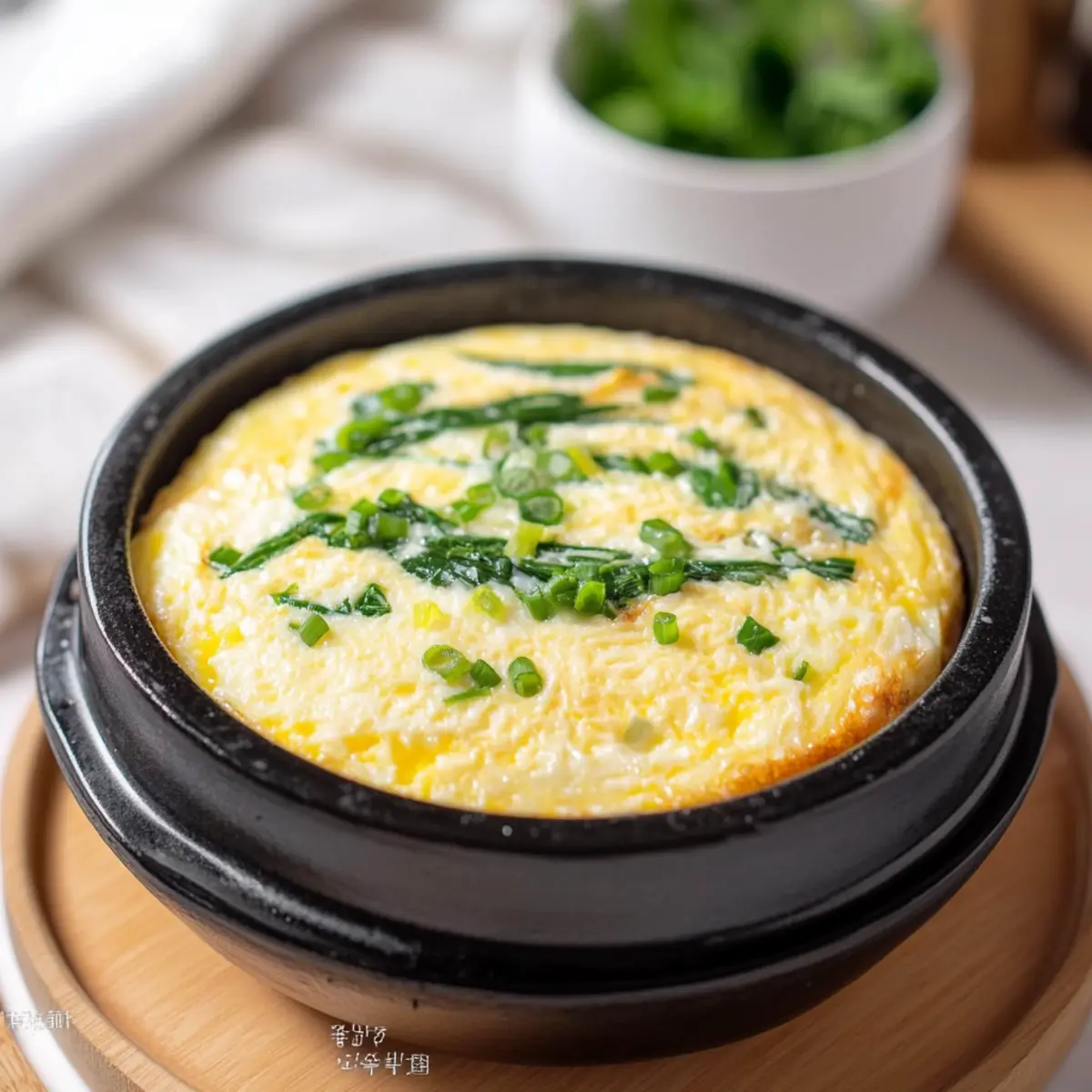
Fluffy Korean Volcano Steamed Egg for Quick Comfort Cooking
Ingredients
Equipment
Method
- In a medium bowl, crack open large eggs and beat them gently until fully combined.
- Gradually add water or stock and kosher salt, mixing until evenly dispersed.
- If using, finely chop green onions and incorporate them now.
- Grease a 2-cup Korean earthenware bowl with toasted sesame oil.
- Pour the prepared egg mixture into the greased bowl, filling it about three-quarters full.
- Place the bowl on stovetop over medium-low heat and cover it. Steaming should take about 10 minutes.
- Check if done by lifting the lid; the mixture should be fluffy and slightly wobbly.
- Serve immediately on a heatproof coaster.
Leave a Reply