
As I stood in my kitchen, the vibrant colors of fresh bell peppers caught my eye, a rush of inspiration hit me. Enter Peperonata, a dazzling Mediterranean stew that not only celebrates seasonal produce but also transforms a simple gathering into a heartfelt meal. This delightful dish comes together in a mere 30 minutes, making it perfect for those bustling weeknights when you crave something homemade yet hassle-free. With its rich tomato base and an aromatic blend of garlic and onions, it’s not just a feast for the eyes but a hearty, vegan delight that everyone will love. Whether served over pasta, drizzled atop rustic bread, or enjoyed straight from the pan, Peperonata is versatile enough to elevate any meal. Curious about how such a robust dish can come together so quickly? Let’s dive into the recipe!
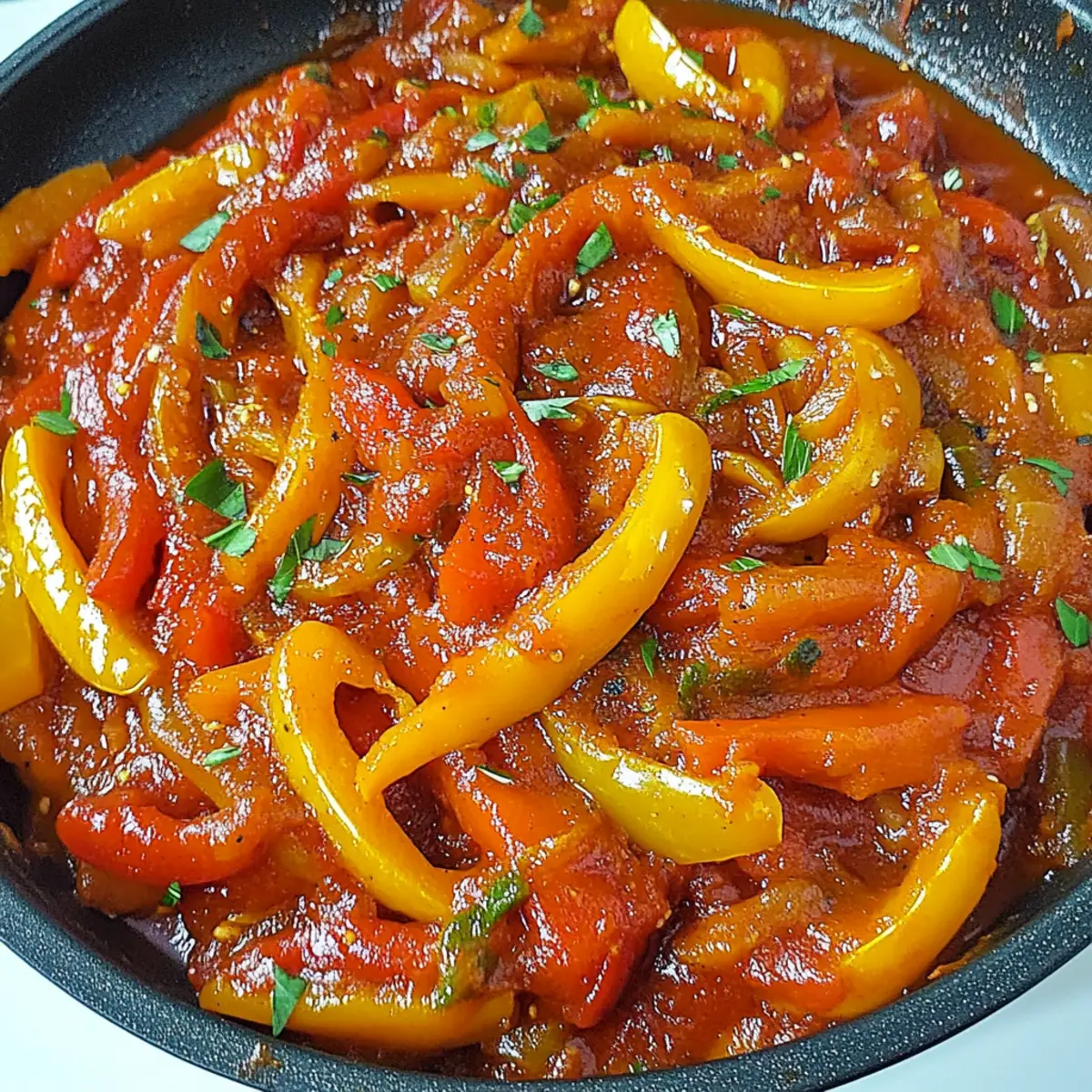
Why is Peperonata so special?
Simplicity makes this recipe a joy to prepare—ready in just 30 minutes! Vibrant colors from fresh bell peppers not only enhance the dish visually but also bring an array of nutrients. Versatile serving options, whether over pasta or as a topping, cater to diverse palates. Plus, it’s a hearty, vegan delight that appeals to everyone, making it perfect for gatherings. Dive into this delightful Mediterranean stew and transform your meals! If you love quick recipes, check out our tips for time-saving meal prep to make weeknight cooking a breeze.
Peperonata Ingredients
• For the Stew
- Red Bell Peppers – Adds sweetness and color; substitute yellow bell peppers for a different visual appeal.
- Yellow Bell Peppers – Offers a sweet, slightly fruity flavor; can be swapped for additional red peppers.
- Olive Oil – Essential for sautéing and flavor; use high-quality extra virgin olive oil for best results.
- Garlic (4 cloves) – Imparts robust flavor; fresh garlic is preferred for intensity.
- Onions (1/2 cup, diced) – Adds depth and sweetness to the sauce; yellow onions are a good choice; red onions can provide a sharper taste.
- Balsamic Vinegar (2 Tbs) – Contributes acidity and complexity; red wine vinegar can be used as a substitute.
- Passata (1.5 cups) – Provides a fresh tomato base; can be replaced with crushed tomatoes, but adjust consistency to avoid excess water.
- Tomato Paste (5 oz) – Deepens the tomato flavor and thickens the sauce; ensure freshness to maximize flavor.
- Oregano (2 tsp) and Basil (1/4 cup, chopped) – Traditional herbs enhancing the dish; dried herbs can be used but should be adjusted for potency.
- Salt and Pepper – To taste, enhancing the overall flavor of the Peperonata.
Step‑by‑Step Instructions for Peperonata
Step 1: Heat the Oil
Begin by heating 2 tablespoons of extra virgin olive oil in a large skillet over medium heat. As the oil shimmers—about 1-2 minutes—this indicates it’s hot and ready for the next ingredients. Make sure to use a pan that’s spacious enough to accommodate the peppers without overcrowding.
Step 2: Sauté the Aromatics
Add 4 minced garlic cloves and ½ cup of diced onions to the pan. Sauté for approximately 3-5 minutes until the onions become translucent and fragrant, stirring occasionally. You’ll notice the garlic turning golden and aromatic, infusing the oil with a warm, inviting scent typical of delicious Peperonata.
Step 3: Add the Peppers
Stir in 2 chopped red and yellow bell peppers, allowing their vibrant colors to brighten the pan. Continue to sauté for an additional 5-7 minutes, until the peppers start to soften but still retain some crunch. As they soften, their sweet aroma will fill your kitchen, promising a delightful dish.
Step 4: Mix in the Tomato Elements
Incorporate 5 ounces of tomato paste, 1.5 cups of passata, and 2 tablespoons of balsamic vinegar into the mixture. Stir well to combine, letting the ingredients meld together beautifully. Allow the sauce to simmer for about 3-4 minutes, during which you’ll notice it thickening and forming a rich, cohesive sauce.
Step 5: Season to Taste
Season your Peperonata generously with salt and freshly cracked pepper, adjusting to your preference. Take a moment to taste and enhance the flavor profile. The right balance will elevate this Mediterranean experience and fully showcase the sweet and savory notes of the dish.
Step 6: Simmer and Incorporate Herbs
Reduce the heat slightly and let the Peperonata simmer for about 10 minutes. This will allow the flavors to meld beautifully. Just before serving, stir in 2 teaspoons of oregano and ¼ cup of fresh chopped basil, simmering for an additional 2 minutes. The fragrant herbs will add freshness and a pop of flavor to your hearty stew.
Step 7: Serve and Enjoy
Once the Peperonata has thickened to your desired consistency, remove it from heat. This vibrant dish can be served warm over pasta, as a topping for rustic bread, or enjoyed straight from the skillet. Allow your guests to dive into the colorful, savory world of homemade Peperonata!
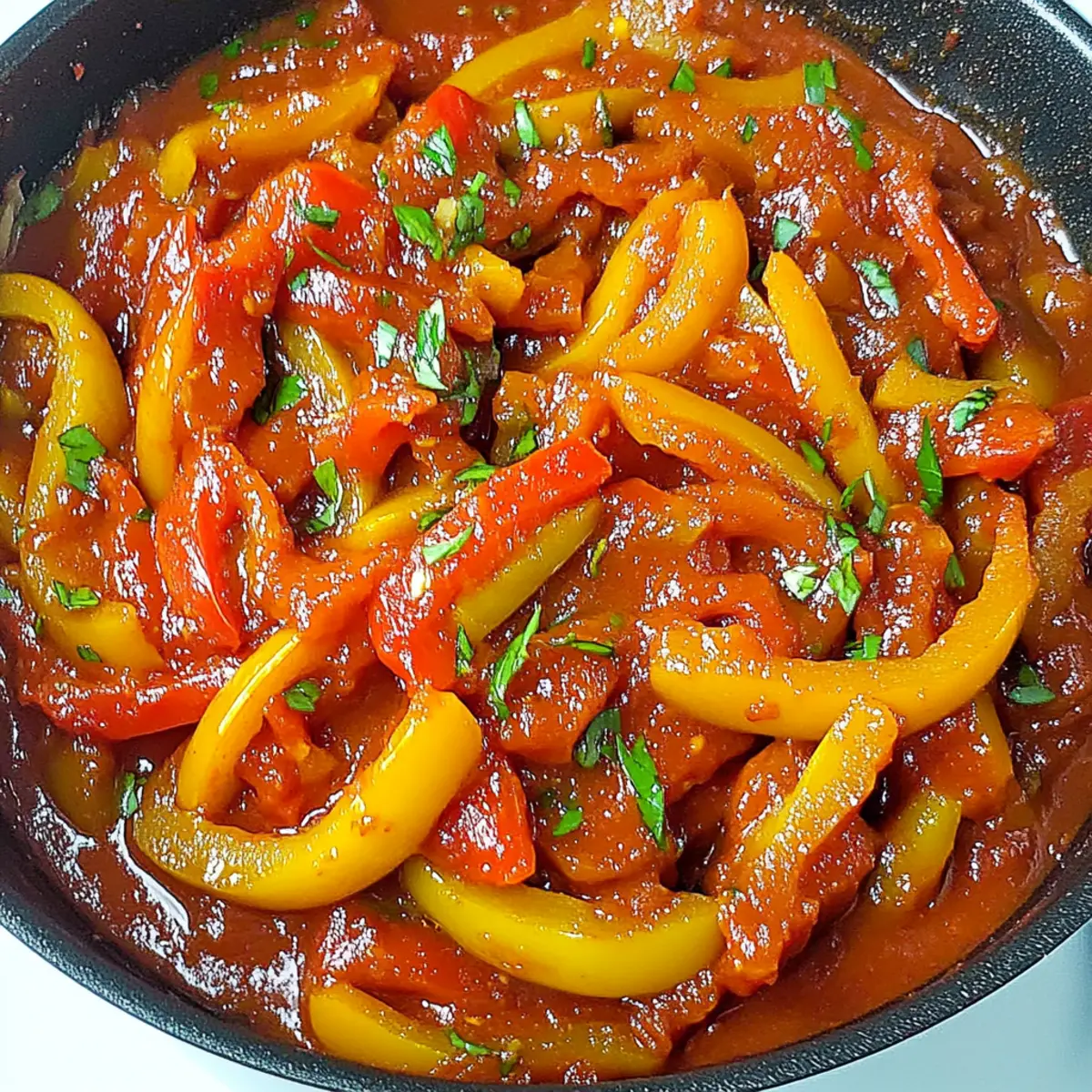
Storage Tips for Peperonata
Fridge: Store leftover Peperonata in an airtight container for up to 4 days. Cool it completely before refrigerating to maintain freshness.
Freezer: Freeze Peperonata in a freezer-safe container for up to 3 months. Portion it out for easy reheating later, but be aware of potential texture changes upon thawing.
Reheating: To reheat, thaw in the fridge overnight and warm gently on the stove or in the microwave, stirring occasionally until heated through. Enjoy the delightful flavors of your Peperonata again!
Airtight Storage: Always ensure containers are well-sealed to prevent moisture absorption and maintain the dish’s vibrant taste and color.
What to Serve with Peperonata
Elevate your dining experience with delightful companions that harmonize brilliantly with this Mediterranean stew’s vibrant flavors and textures.
-
Creamy Polenta: The smooth texture of polenta complements the chunky Peperonata, creating a comforting base to soak up every last bit of sauce.
-
Crusty Artisan Bread: Freshly baked bread not only adds a crispy texture but is perfect for scooping up the rich, savory stew—prepare to indulge!
-
Herbed Quinoa: This light and fluffy option pairs beautifully, providing a nutty flavor that balances the sweetness of the bell peppers while keeping it healthy.
-
Roasted Garlic Potatoes: Crispy on the outside and soft within, these potatoes offer a satisfying contrast to the tender vegetables and luscious sauce. They brilliantly enhance the heartiness of the meal!
-
Mixed Green Salad: A simple salad with a tangy vinaigrette brightens the palate between bites of warm Peperonata, ensuring balance and freshness in each mouthful.
-
Red Wine: A glass of fruity red wine deepens the experience, enhancing the flavors of the dish while inviting a relaxed atmosphere perfect for dining with loved ones.
Enjoy mixing and matching these pairings to create a delightful spread that celebrates the vibrant and hearty nature of Peperonata!
Expert Tips for Peperonata
• Quality Ingredients Matter: Use the best olive oil and fresh produce for maximum flavor. High-quality extra virgin olive oil significantly enhances the Peperonata’s richness.
• Avoid Watery Sauce: To keep the sauce thick, don’t add extra water. A combination of passata and tomato paste creates the perfect consistency without excess liquid.
• Adjust Spice Levels: For a touch of heat, sprinkle in chili flakes. Start with a little—you can always add more if desired!
• Perfect Herb Balance: When using dried herbs, remember they are more potent. Start with less and adjust to taste as you incorporate them into your Peperonata.
• Storage Savvy: Leftovers can last up to 4 days in the fridge; just cool the Peperonata completely before storing. For longer shelf life, freeze, but expect slight texture changes.
• Experiment with Variations: Don’t hesitate to add other vegetables or spices, like fennel for a sweet twist or a different herb combination for unique flavors.
Peperonata Variations & Substitutions
Feel free to make this recipe uniquely yours by experimenting with these delightful variations!
- Spicy Kick: Add Pimentón picante for a smoky heat instead of chili flakes, elevating the dish’s flavor profile.
- Fennel Fusion: Mix in fennel while sautéing the onions for a sweet and aromatic twist that enhances depth.
- Herb Twist: Swap oregano for thyme to give your Peperonata a fresh, unique herbaceous touch. Don’t be afraid to try out combinations!
- Extra Veggies: Toss in zucchini or eggplant to boost texture and nutrition; they pair beautifully with the stew’s flavors.
- Creamy Addition: Stir in coconut cream at the end for a creamy, rich texture that adds a fun twist to the original dish.
- Citrus Burst: Add a splash of lemon juice right before serving to brighten up the flavors and enhance freshness.
- Cheesy Touch: Grate some nutritional yeast on top for a cheesy flavor without dairy—perfect for a vegan alternative.
- Sweet Touch: If you prefer a hint of sweetness, drizzle in some maple syrup during cooking for a delightful contrast to the savory elements.
Feel inspired to personalize this vibrant Mediterranean stew! For other fun flavor ideas, you might enjoy trying variations on homemade sauces and dressings to complement your meals.
Make Ahead Options
Peperonata is perfect for meal prep, helping busy cooks save time during hectic weeknights! You can chop the bell peppers, onions, and garlic up to 24 hours in advance, storing them in an airtight container in the refrigerator to maintain their freshness. The full mixture of sautéed vegetables can also be made ahead and stored in the fridge for up to 3 days; simply reheat in a pan over low heat before serving. To keep the vibrant colors and flavors intact, avoid freezing once cooked, as the texture may suffer. Just warm it through, stir in your herbs right before serving, and enjoy a delicious, hearty Mediterranean meal with minimal fuss!
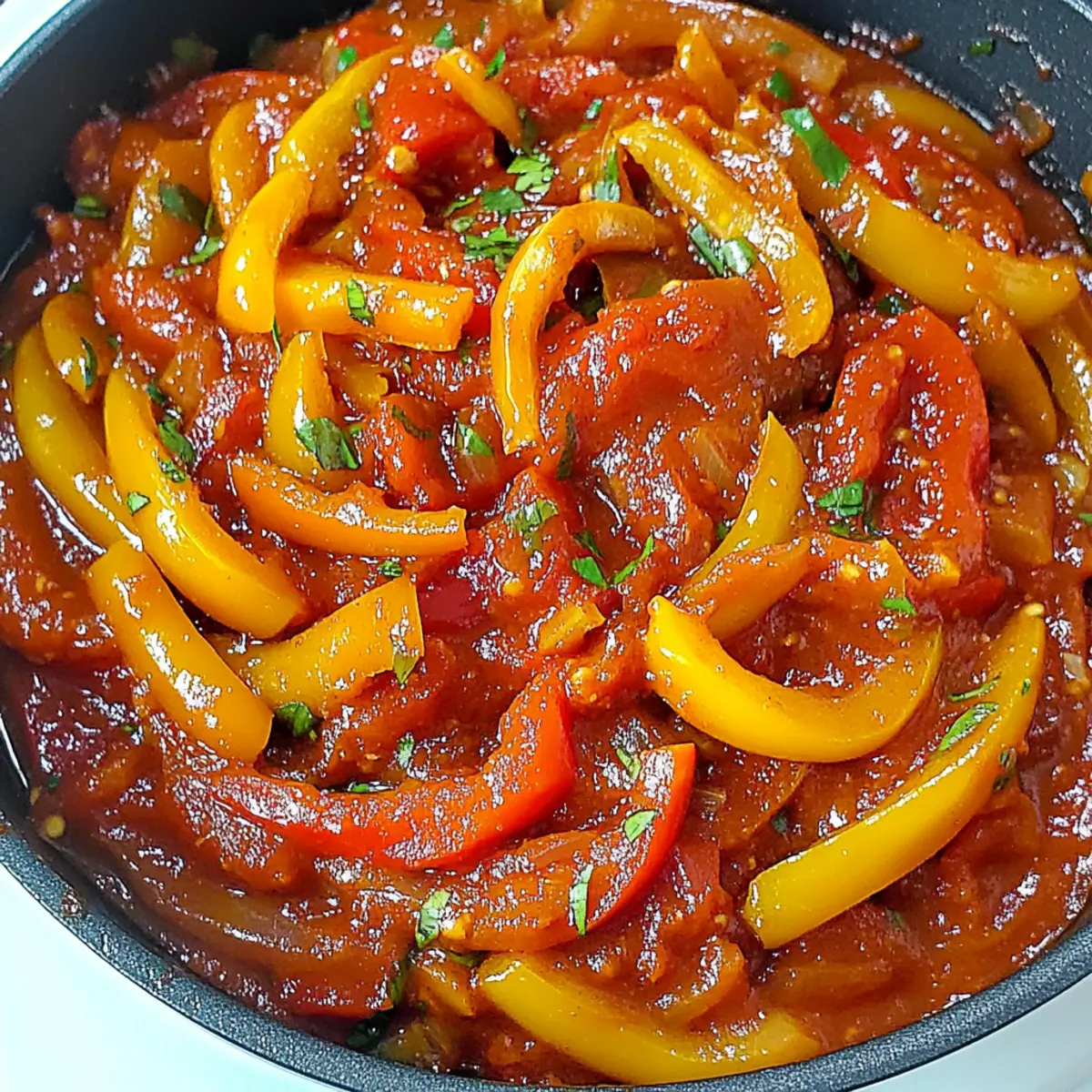
Peperonata Recipe FAQs
How do I choose ripe bell peppers for Peperonata?
Absolutely! Look for bell peppers that are bright in color, firm to the touch, and free from blemishes or dark spots. The skin should be smooth and glossy, indicating freshness. If you find peppers with a bit of weight, that usually means they’re juicier, perfect for enhancing the stew’s flavor!
What is the best way to store leftover Peperonata?
I recommend placing the cooled Peperonata in an airtight container to maintain its vibrant flavors and textures. It will last in the fridge for up to 4 days. Make sure to let it cool completely before sealing, as this helps prevent excess moisture from building up inside the container!
Can I freeze Peperonata and how?
Absolutely! To freeze Peperonata, first cool it completely. Then, pour it into freezer-safe containers or heavy-duty freezer bags, leaving some space at the top for expansion. It can be frozen for up to 3 months. When you’re ready to enjoy it, thaw it overnight in the fridge and gently heat it on the stove or in the microwave.
What should I do if my Peperonata is too watery?
If you find your Peperonata has become watery, don’t worry! Simply let it simmer uncovered on low heat for a few minutes. This will help evaporate excess liquid and thicken the sauce. You can stir in a bit more tomato paste to help absorb moisture and enrich the flavor further.
Is Peperonata suitable for those with dietary restrictions?
Very! Peperonata is not just delicious but also entirely vegan, making it a fantastic option for plant-based diets. It’s also naturally gluten-free, but if you’re serving it with bread or pasta, be mindful of the ingredients in those items. Always check for allergies, especially with ingredients like olive oil and tomatoes.
Can I make Peperonata in advance for a meal prep?
Definitely! Making Peperonata in advance is a great way to save time during busy weeknights. You can prepare it up to 4 days ahead and store it in the fridge. Reheat it gently on the stove, adding a splash of water or a drizzle of olive oil if it thickens too much. This hearty dish keeps its rich flavors, ensuring a comforting meal ready whenever you need it!
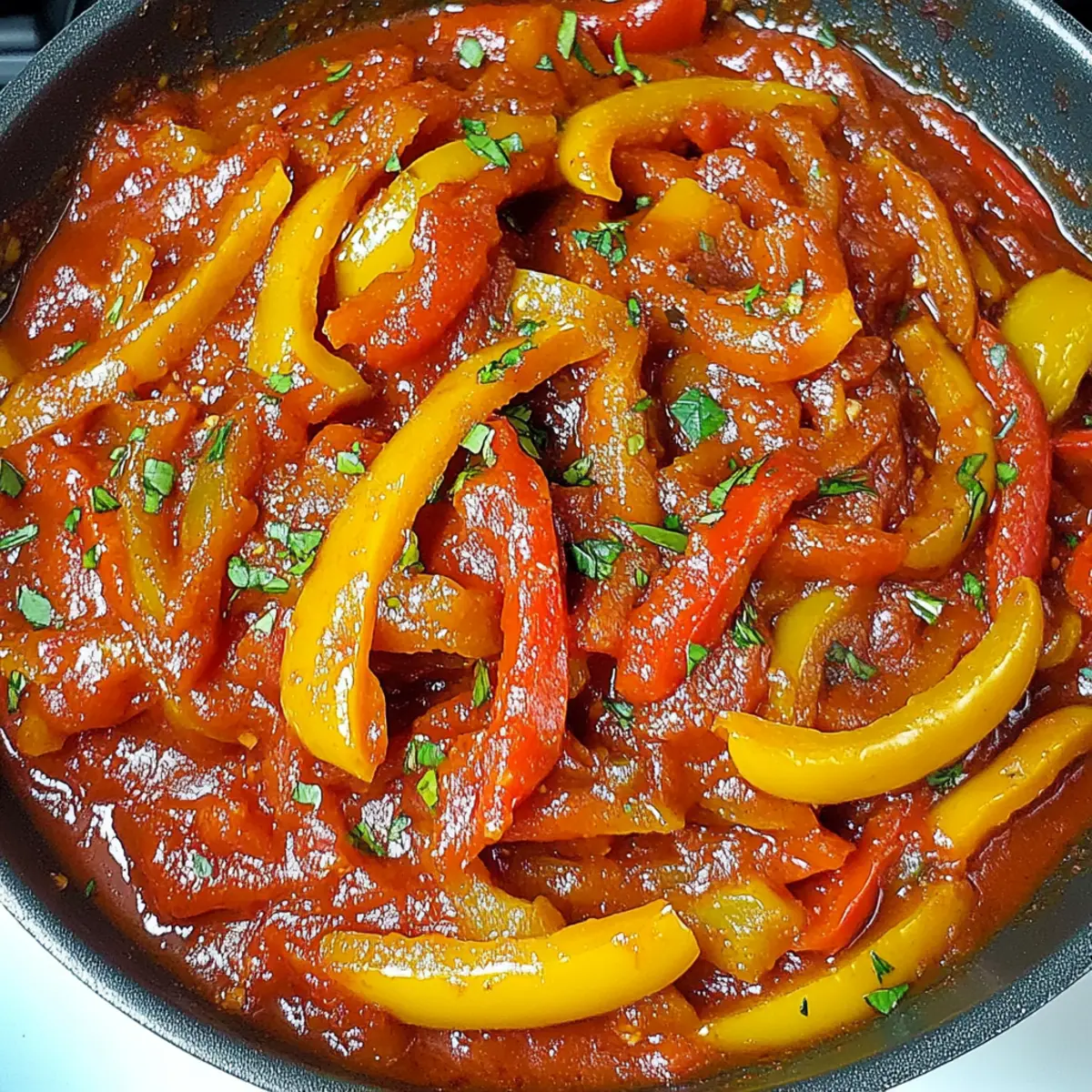
Vibrant Peperonata: A Quick and Hearty Mediterranean Dish
Ingredients
Equipment
Method
- Heat the olive oil in a large skillet over medium heat until shimmering.
- Sauté minced garlic and diced onions for 3-5 minutes until the onions are translucent.
- Add chopped red and yellow bell peppers and sauté for an additional 5-7 minutes.
- Mix in tomato paste, passata, and balsamic vinegar. Let it simmer for 3-4 minutes.
- Season with salt and pepper to taste.
- Simmer for 10 minutes, then stir in oregano and basil. Simmer for an additional 2 minutes.
- Serve warm over pasta, on rustic bread, or directly from the skillet.
Leave a Reply